Best pokies in Melbourne: venues and search limits
 Available in AU
The guide separates confirmed venue details from search assumptions about locations, opening hours, payouts and cashless play.

Table of Contents
- Getting from Melbourne Airport to a Pokies Venue
- Open Now? The Difference Between a Venue and a Website
- What “Best-Paying” Means When Every Spin Is Random
- Gaming Venues and the Rules Around Their Machines
- Crown Melbourne: What Can Be Said Without Guesswork
- Online Pokies, PayID and the Limits of Cashless Convenience
- Opening Hours: What the Available Information Cannot Confirm
- East, South-East and Western Melbourne: A Search by Direction
- Pokies in the CBD: Clubs, Venues and the Missing Directory
- North and South Melbourne: Neighbourhood Searches, Not Verified Listings
Getting from Melbourne Airport to a Pokies Venue
A journey from Melbourne Airport begins with a practical question: where, exactly, is the intended destination? The airport is a fixed point; “nearby pokies” is not a location that can be mapped without a confirmed venue address. A place name in a search box may suggest proximity, but it does not establish that a gaming venue operates there, or that it is a sensible stop on the way into the city.
That distinction matters because Melbourne’s geography is often compressed into a few familiar labels. The airport, the central city, Melbourne Central and Port Melbourne can appear close together on a screen of search results, yet each describes a different point or area. A result that combines one of those names with “pokies” is not, by itself, evidence of a venue at the airport or along a particular route.
The sensible starting point is therefore not a guess about what lies nearest the terminal. It is a confirmed address. Once a venue’s location is established, the journey can be considered on its own terms: whether the address is actually near the airport, whether it lies elsewhere in metropolitan Melbourne, and whether it suits the traveller’s destination. Without that first fact, talk of a convenient detour is just cartography by implication.
Melbourne Central is another name that can mislead when treated as a general synonym for the city. It refers to a particular central-city landmark, not to every place described as being near Melbourne. Likewise, Port Melbourne is a distinct place name, not a guarantee that a venue can be found there. A search combining either location with pokies expresses a wish to find something in that area; it does not verify that the thing exists at the address implied.
This is especially important for anyone arriving from interstate or overseas, who may know Melbourne chiefly as a destination rather than as a network of separate localities. A map can make a city look tidily legible. The names are familiar, the pins are precise, and the distance between them seems to invite an easy plan. But a pin is only useful when it belongs to a real, relevant address. Search language can place a venue near a landmark in the imagination long before its location has been established.
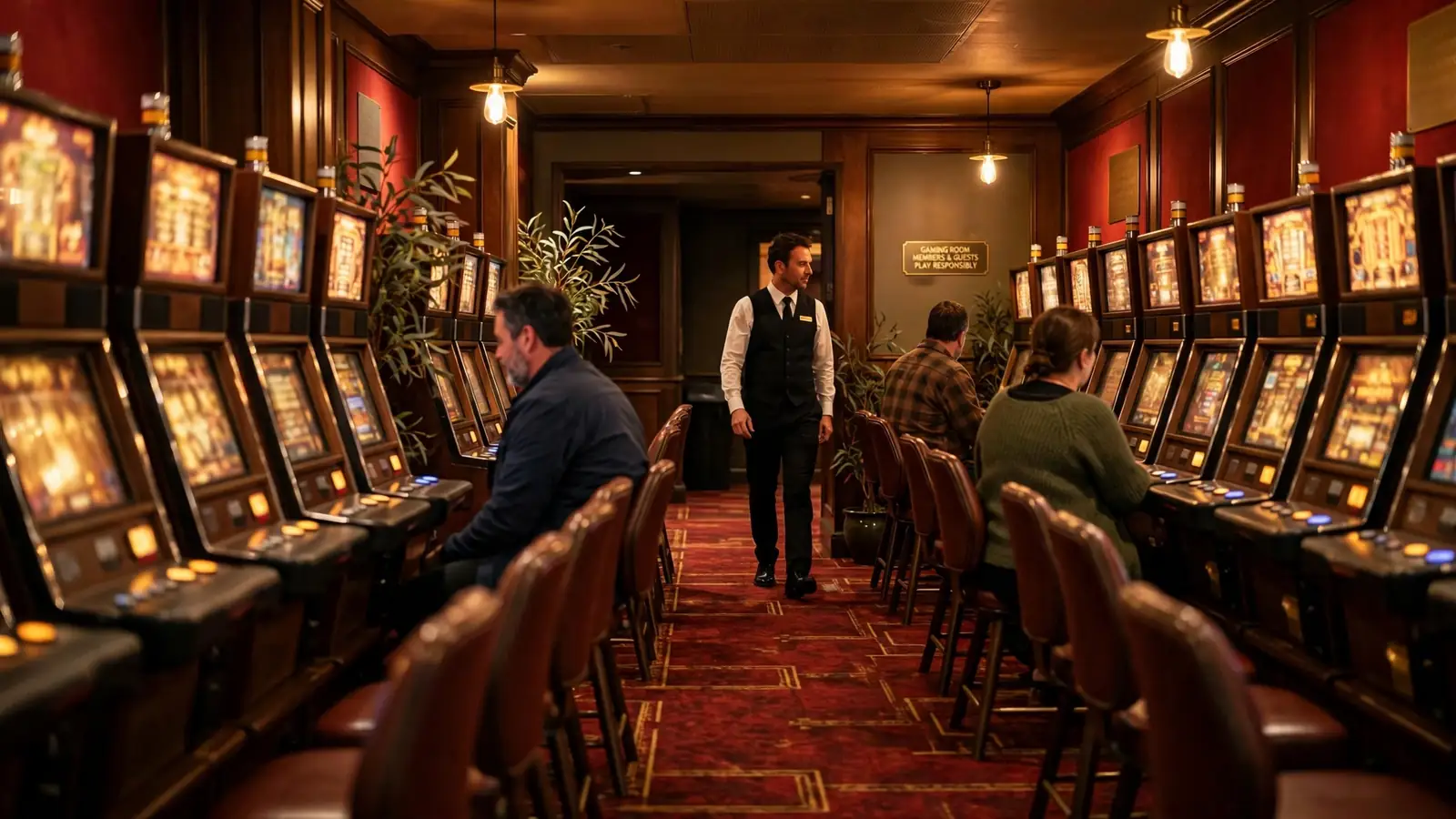
The same caution applies to the broad phrase “near Melbourne”. It can mean close to the airport, close to the central business district, somewhere within the metropolitan area, or simply somewhere that a person considers reachable from their present position. Those are not interchangeable meanings. A traveller who wants a stop near the airport needs a verified airport-area address; someone heading into the centre needs to assess a central-city address. The name of the city alone cannot settle the difference.
Even “near me” depends on where the person is standing. At the terminal, it points to a different area than it would from a hotel, a station or a home elsewhere in Melbourne. Location-based results may respond to a device’s position, but proximity in a result does not certify a venue’s details. The distance should be judged from an address, not inferred from a convenient label.
There is a small social history in this habit of searching by landmark. Cities are navigated through shorthand: stations, shopping centres, airports, waterfronts. Such names make an unfamiliar place feel manageable, and businesses have long been described by the landmarks people recognise. Yet shorthand can also blur the boundary between a place name and a claim about what is there. “Near Melbourne Central” sounds definite; it is not a substitute for a street address.
For a trip from Melbourne Airport, the order of decisions is plain. Establish the venue’s address first. Then compare that address with the airport and the traveller’s actual destination. If the search began with Melbourne Central or Port Melbourne, treat those as areas to investigate, not proof of a nearby gaming room. If it began with “near Melbourne”, narrow the location before planning a journey.
This is less glamorous than finding a pin and setting off. It is also more reliable. Melbourne’s landmarks can orient a journey, but they cannot certify a destination. A map needs an address.
Planning a Journey
Confirm the venue’s specific street address first to avoid relying on landmarks.
Evaluate the distance between the confirmed address, Melbourne Airport, and your final destination.
If using broad terms like “near Melbourne” or “Melbourne Central”, treat them as areas to investigate rather than proof of a nearby venue.
Open Now? The Difference Between a Venue and a Website
“Open” has two different meanings in a pokies search. For a physical venue, it refers to whether its doors are open and its machines available at a particular time. For a website, it can mean that a page loads in a browser. Those are not equivalent kinds of access, and neither tells the whole story.
A venue’s opening status depends on its own operating arrangements. A search result, map listing or old review may not reflect what is happening at the door now. Even a page that appears current can leave practical details unclear: whether gaming is available, whether access is restricted, or whether a listed time applies to the whole venue rather than a particular service. A website’s clock-like appearance is no substitute for confirmed venue information.
That distinction matters for searches about early or late access in Melbourne. The words “open now” can suggest a simple yes-or-no answer, but the answer for a physical place is tied to its actual operations at that moment. A browser result cannot establish that a particular venue is open, and no general statement about Melbourne can safely stand in for the status of an individual venue.
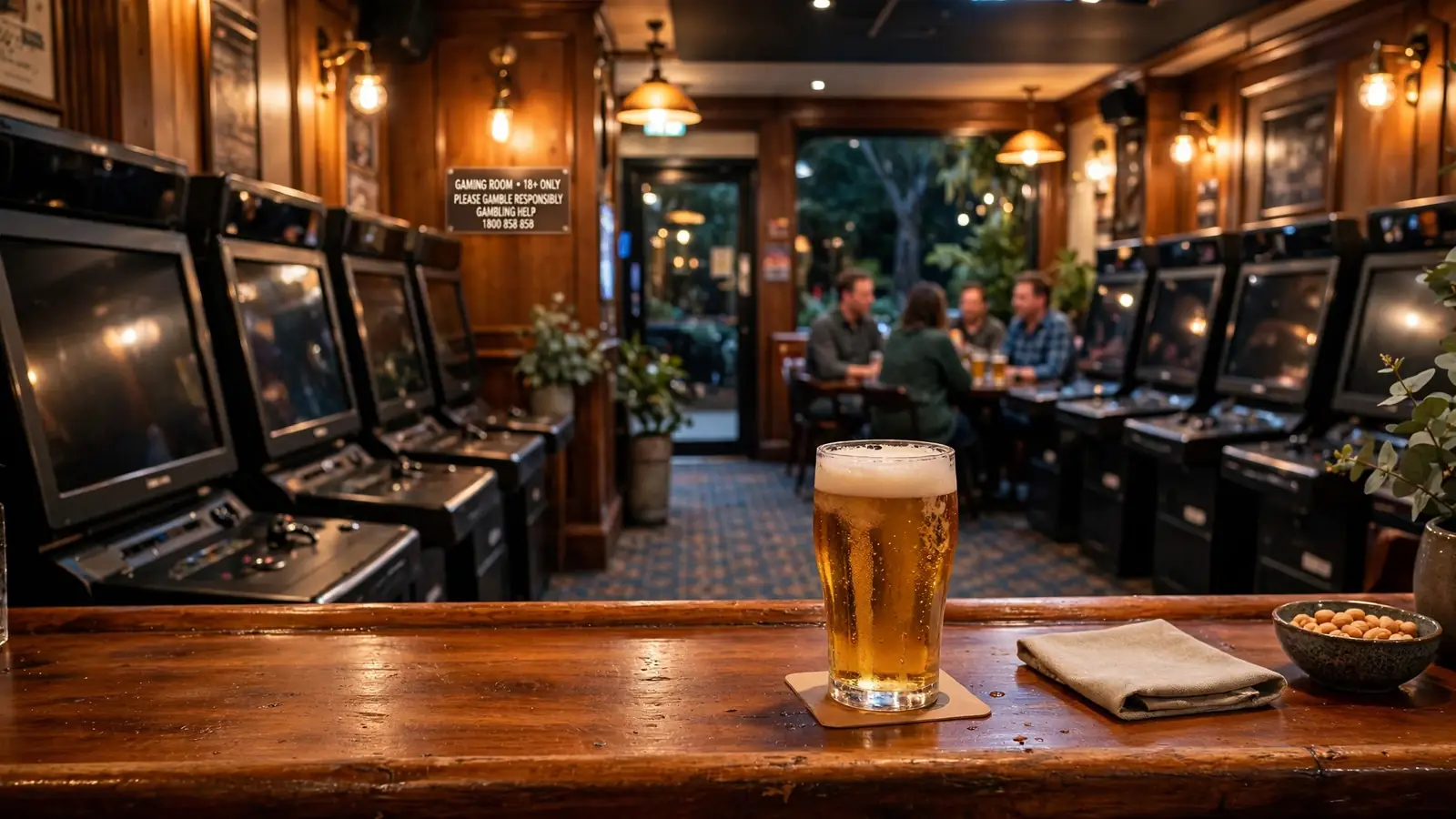
Web access creates a different impression. A site may remain visible at any hour, with menus, account pages or promotional screens loading normally. That says only that the website can be reached. It does not establish that its real-money pokies are legally offered to people in Australia. A functioning interface can make an unlawful service look ordinary; software is very good at looking ordinary.
Australia’s legal position is not a question of venue hours. The Interactive Gambling Act 2001 prohibits companies from providing real-money online pokies to people in Australia unless they hold a domestic licence. No domestic licences for that service have been issued, and there is no Australian-licensed online casino. So a site being technically available in a browser does not make it an authorised Australian gambling service.
This is why “open” should not be used as a shortcut for “legal”. A venue’s doors and a website’s loading screen belong to separate systems: one concerns a place’s operations, the other concerns access to an online service and the law governing its provider. Confusing them turns a practical question into a misleading conclusion.
Legal Risk
The Interactive Gambling Act 2001 prohibits providing real-money online pokies in Australia without a domestic licence, and no such licences have been issued.
There is also a difference between seeing a site and having protection if something goes wrong. Australian players have no legal recourse in Australia if an offshore casino refuses to pay winnings. A polished page, familiar payment language or an always-accessible account screen cannot supply that missing recourse. The appearance of permanence is not a safeguard.
The same caution applies to information labelled as current. Search listings can be stale; websites can be reachable while the service they describe is not lawful for Australian residents. Neither kind of visibility proves a Melbourne venue’s present operating status or changes the legal position on online pokies.
A useful reading of “open now” therefore begins by asking what kind of “open” is meant. For a physical venue, it is a time-sensitive question about that location’s own operations. For a website, it is a technical observation that may have little to do with whether real-money online pokies can lawfully be offered in Australia. The two answers should not be collapsed into one.
The browser is not a front door.
What “Best-Paying” Means When Every Spin Is Random
For Melbourne players considering online pokies in 2026, this list offers a concise reference to the available operator details. Use the information provided to judge which licensing and payment features matter to you.
License: Curacao · Payout speed: crypto 30-60 minutes, fiat 1-5 days · Min. deposit: A$10 Wild Tokyo lists a A$10 minimum deposit and gives payout estimates of 30–60 minutes for crypto and 1–5 days for fiat.
License: Curacao Golden Pokies is listed with a Curacao licence. That is the only operator detail provided here.
License: international iGaming licence – jurisdiction not named in the source · Payout speed: PayID 1-24 hours · Min. deposit: A$30 (PayID from A$10) House of Pokies lists PayID payouts of 1–24 hours and a A$30 minimum deposit, or A$10 when depositing via PayID. Its source describes its licence as an international iGaming licence but does not name the jurisdiction.
License: Curacao eGaming (Dama N.V.) JeetCity Casino is listed as holding a Curacao eGaming licence through Dama N.V. No other operator details are provided here.
License: Curacao Gaming Control Board JustCasino is listed with a Curacao Gaming Control Board licence. The supplied information does not include further details.
License: Curacao Gaming Control Board OGL/2023/176/0095 (Hollycorn N.V.) Rollero Casino is listed with Curacao Gaming Control Board licence OGL/2023/176/0095, held by Hollycorn N.V. No other attributes are provided.
License: Curacao (operating since 2017) · Min. deposit: A$20 Uptown Pokies is listed as operating since 2017, with a Curacao licence and a A$20 minimum deposit.
License: Curacao Gaming Authority (Jumpman Gaming Ltd) DragonSlots Casino is listed with a Curacao Gaming Authority licence through Jumpman Gaming Ltd. The provided information contains no other operator details.
License: Curacao Gaming Control Board OGL/2023/176/0095 (Hollycorn N.V.) Neospin is listed with Curacao Gaming Control Board licence OGL/2023/176/0095, held by Hollycorn N.V. No further details are supplied.
Payout speed: crypto under 1 hour, PayID 1-3 business days · Min. deposit: A$20 (A$30 to qualify for the bonus) Ricky Casino lists crypto payouts in under an hour and PayID payouts in 1–3 business days. Its minimum deposit is A$20, or A$30 to qualify for the bonus.
“Best-paying” sounds like a ranking waiting to be discovered: one pokie at the top, another below it, and a tidy answer to which game is best in Melbourne. The phrase gives a statistical measure the shape of a promise. It is not one.
A game’s return-to-player figure, or RTP, describes a theoretical return across a very large number of spins. It is not a forecast for a particular session, nor a statement that a player will recover a stated share of their stake. The figure may help describe the game’s design; it cannot say what will happen next.
Each spin is generated independently by a Random Number Generator. Previous results do not make a win due, and a run of wins does not make the next one more likely to follow suit. The machine has no memory in the human sense, though people are natural archivists of patterns: a sequence of near misses can feel like a narrative building towards a finish. The mechanism supplies no such plot.
That is the gap between a published return and an individual outcome. A high RTP figure may look like a practical way to choose among pokies, but it cannot establish which one will pay during an evening, or whether any particular player will leave ahead. “Best-paying” is therefore a description of a theoretical property, not a reliable label for the most generous game in a Melbourne casino.
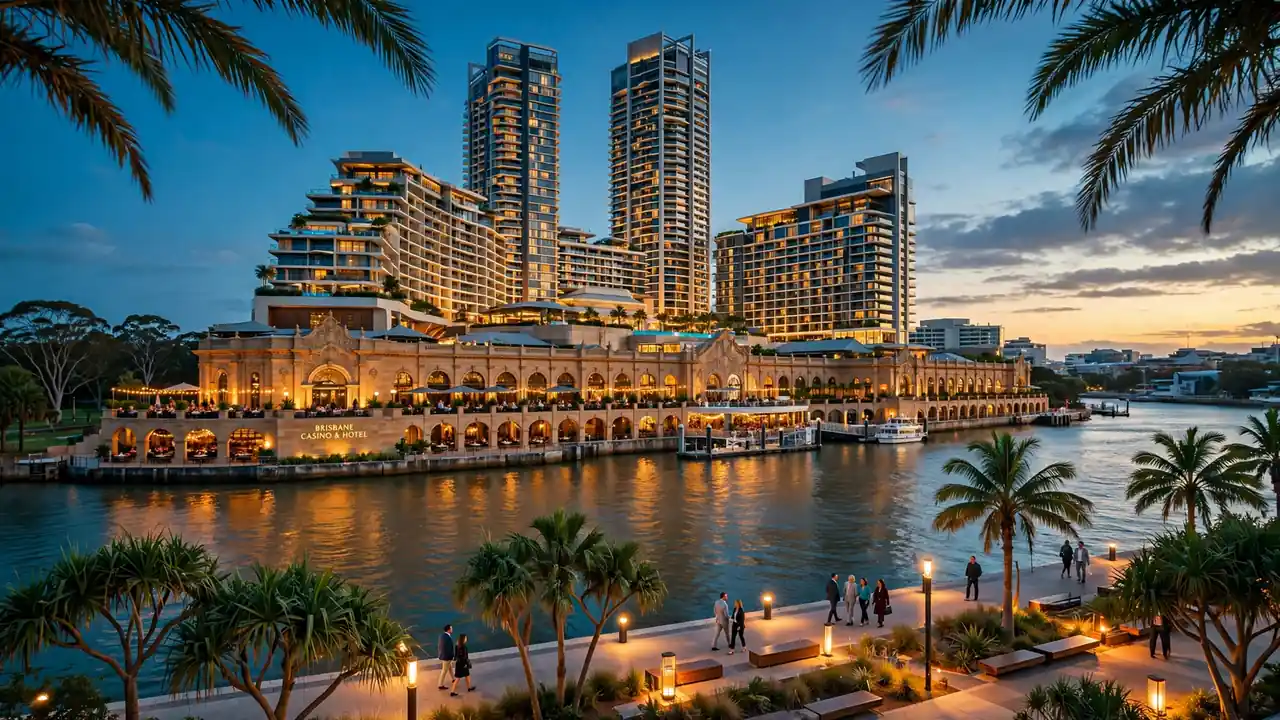
There is another complication. A specialist review reports that some game providers give casinos a choice of more than one RTP setting for the same pokie. If that arrangement applies, an identical title may carry different return percentages at different casinos. The name and artwork can stay the same while the underlying setting differs. A game title alone, then, may not tell the whole story; the relevant figure needs to be tied to the particular version and casino.
That qualification matters whenever games are compared across venues or encountered online. A page that names a pokie and prints a return figure may be describing one setting, not every version bearing that title. Without confirmation that the figure applies to the specific game in question, a neat comparison can be less informative than it looks. Fine print has a long career in gambling.
The same caution applies to the language used around “payout”. A return percentage is not the size of a prize, the frequency of a win, or a measure of how long a session will last. Those are different ideas, and one number cannot quietly stand in for all of them. A figure presented without context can make a mathematical description sound like practical guidance.
For people weighing up the best pokies in Melbourne, the useful distinction is between what a game’s published settings describe and what a spin can deliver. The former belongs to the design of the game; the latter remains uncertain each time the button is pressed. No venue name, city-centre address or familiar title changes that independence.
RTP and Settings
Return-to-player (RTP) is a theoretical return over a large number of spins, and some providers allow casinos to choose between different RTP settings for the same game.
A percentage can describe a model. It cannot see the next spin.
Gaming Venues and the Rules Around Their Machines
A venue with pokies is more than a room of machines. It is also a workplace, a licensed business and a setting in which signs of gambling harm may become visible to staff. That makes oversight part of the experience, even when it is less conspicuous than the games themselves.
A report published by regionriverina.com.au describes a rule taking effect from 1 July: venues operating more than 20 gaming machines are to have a dedicated responsible gambling officer (RGO) on duty whenever those machines are running. The threshold matters. The requirement is tied to the size of a venue’s machine operation, not simply to the fact that it has pokies.
The role is a practical one. A designated officer gives responsibility for gambling-related concerns a clearer place inside venue operations. Staff may notice when a patron appears distressed or unable to step away; a named role can make it less likely that such observations remain nobody’s business. Oversight cannot remove the risk inherent in gambling. It can, however, make the response less dependent on chance.
The same report says venues will be required to maintain a gambling incident register. It is intended to record occurrences that may indicate a patron is at risk of gambling harm or is already affected by it. In that sense, the register turns an isolated observation into something the venue can document and review. A record is not an intervention by itself. It is a way of making sure that concern does not disappear when a shift ends.
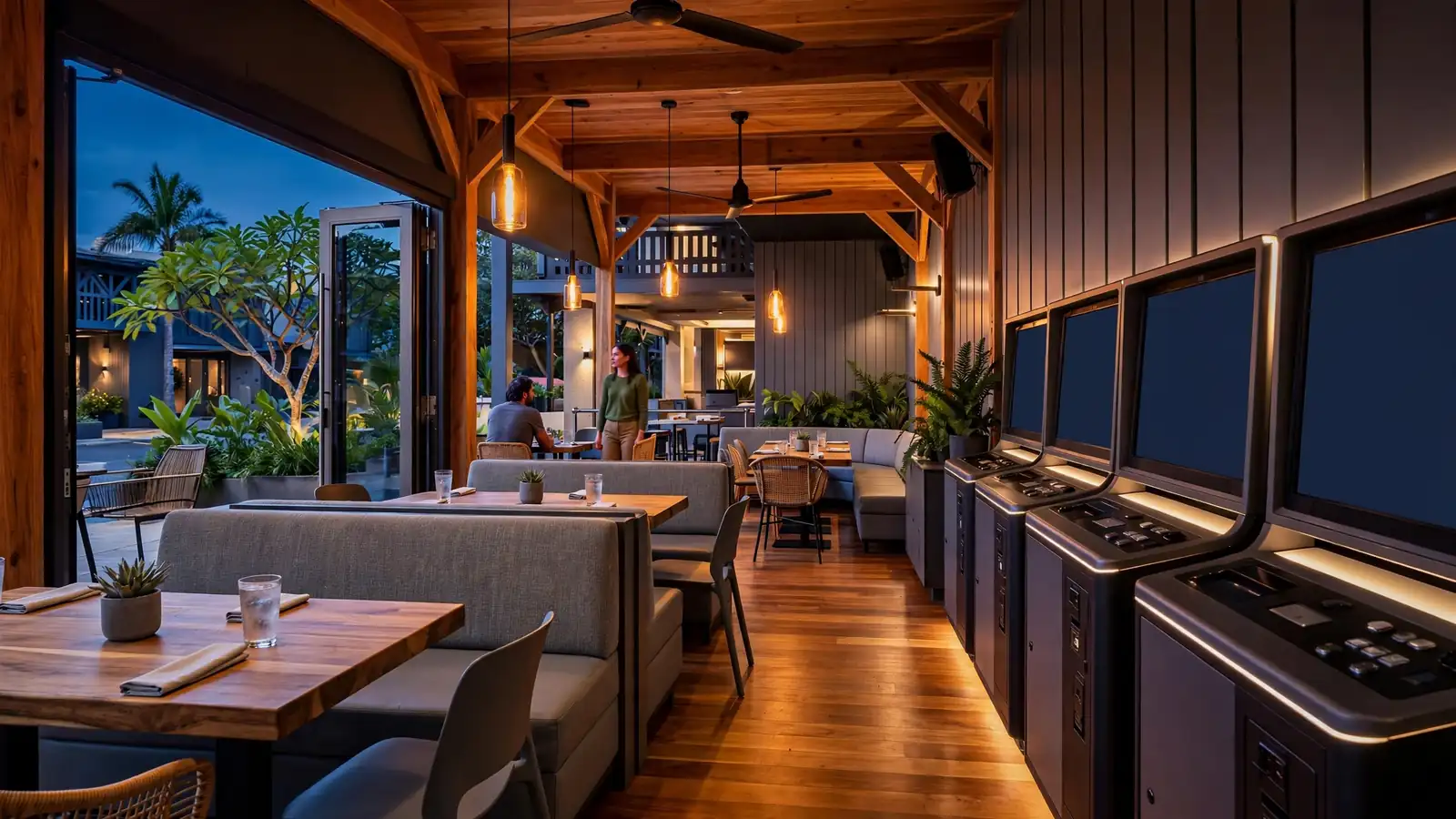
These measures change the picture behind a search for the best pokies venue in Melbourne. The phrase “best” can point to atmosphere, location or the range of machines, but those impressions do not tell the whole story of how a venue handles risk. Responsible-gambling procedures are less visible than décor or a busy gaming floor, yet they reveal something about the institution: whether care is treated as part of operating the room, rather than as a notice on a wall.
The word “venue” also covers different kinds of businesses, with different layouts and operating practices. A club and a hotel may both have pokies, but the label alone says little about how staff respond to a concern or how responsibilities are assigned. A directory of Melbourne venues would not answer that question, even if every entry were current. Nor does a machine count, on its own, establish the quality of a venue’s safeguards.
That is why a useful account of Melbourne’s gaming venues has to distinguish between what a rule describes and what it proves about any individual premises. The reported RGO threshold and incident-register requirement concern oversight; they do not amount to a rating system, nor do they certify a venue as safe. Their point is narrower: gambling harm is treated as something that can be noticed, recorded and addressed within the operation of a venue.
The machinery is easy to count. The responsibility around it is harder to see.
Venue Oversight
- Venues with over 20 gaming machines must have a dedicated responsible gambling officer on duty.
- Gambling incident registers are required to document and review potential gambling harm.
- These measures treat gambling harm as something to be noticed and addressed within venue operations.
Crown Melbourne: What Can Be Said Without Guesswork
Crown Melbourne is a name that can carry several expectations at once: a place associated with gambling, a particular room, and a selection of pokies. Those are not interchangeable claims. Naming a venue does not, by itself, establish what machines it has, how many there are, or what a visit would be like.
That distinction matters when a search for Crown Casino Melbourne pokies becomes a request for the “best pokies room” in the city. “Best” sounds like a settled ranking, but it depends on what is being judged. A person may mean the feel of a room; another may mean the range of games, the setting, or the practical details of a visit. Without evidence tied to those criteria, a confident verdict would be decoration rather than guidance.
A venue’s name is not a measurement. Nor does the word “casino” settle questions about a specific machine or room. Pokies are individual games, and a general label cannot tell a player what a particular game offers. The name Crown Melbourne can identify the subject of interest; it cannot stand in for an inventory or a comparison.
There is also a difference between a familiar name and a recommendation. Familiarity can grow through advertising, popular culture and repetition. It may explain why one venue comes readily to mind, but it does not establish that its pokies are better than those elsewhere. Reputation is not a scorecard.
The more careful way to read a Crown-related claim is to ask what it actually describes. Is it about the venue as a destination, a specific room, or a particular pokie? Does it give a checkable basis for comparison, or simply attach “best” to a recognisable name? A claim that stays at the level of the name leaves the important distinction unresolved.
That restraint is not evasiveness. A list of machines, a count, or a ranking can look useful while giving an impression of precision that the evidence does not support. In gambling, false precision has an audience: people making plans and spending money. A polished superlative is still only a superlative.
So Crown Melbourne can be discussed as the subject of interest without turning the name into a promise about its rooms or games. The sensible boundary is plain: a venue label identifies where attention is directed; it does not prove that the pokies there are the best, or establish what a visitor will find. Names travel easily. Evidence must do more.
Online Pokies, PayID and the Limits of Cashless Convenience
A screen can make a gambling service seem as local as a Melbourne venue. The law draws a different map. Under the Interactive Gambling Act 2001, operators must not provide real-money online pokies to people in Australia, and no Australian online casino holds a domestic licence. The prohibition is aimed at operators, not individual players: Australians are not criminalised simply for playing on an offshore site that accepts them.
That distinction is not a safety net. The Australian Communications and Media Authority blocks access to illegal offshore gambling sites, and internet service providers must comply with its blocklist. A site still reachable from a particular connection is not thereby lawful or reliable. If an offshore casino withholds winnings, there is no Australian legal recourse for the player. A payment logo cannot repair that gap.
Attention: The use of PayID for transfers describes the payment infrastructure, not the legality or reliability of the gambling operator.
PayID is a way to move money, not a badge of approval. It sits over the New Payments Platform and lets a transfer be addressed using an email address, mobile number or ABN rather than bank details. To use PayID for real-money gambling, it must first be linked to a bank account. The NPP is supported by major banks and uses end-to-end encryption, but those features describe the payment infrastructure, not the conduct of a gambling operator.
That is the small but consequential difference between cashless and safe. A familiar transfer method can make an unfamiliar business feel ordinary; the two facts are unrelated. PayID does not establish that a site is licensed, that its games are fair, or that a withdrawal will arrive. In Australia, there is no domestic licence for an online casino to display in the first place.
A specialist gambling review has reported that some Australian banks, including members of the Big Four, sometimes block PayID transfers to known gambling merchants. That account should be read as a report about changing bank practice, not a promise that a transfer will work or fail. Banks can apply their own controls, and a payment route’s availability says nothing about whether the underlying service is legal.
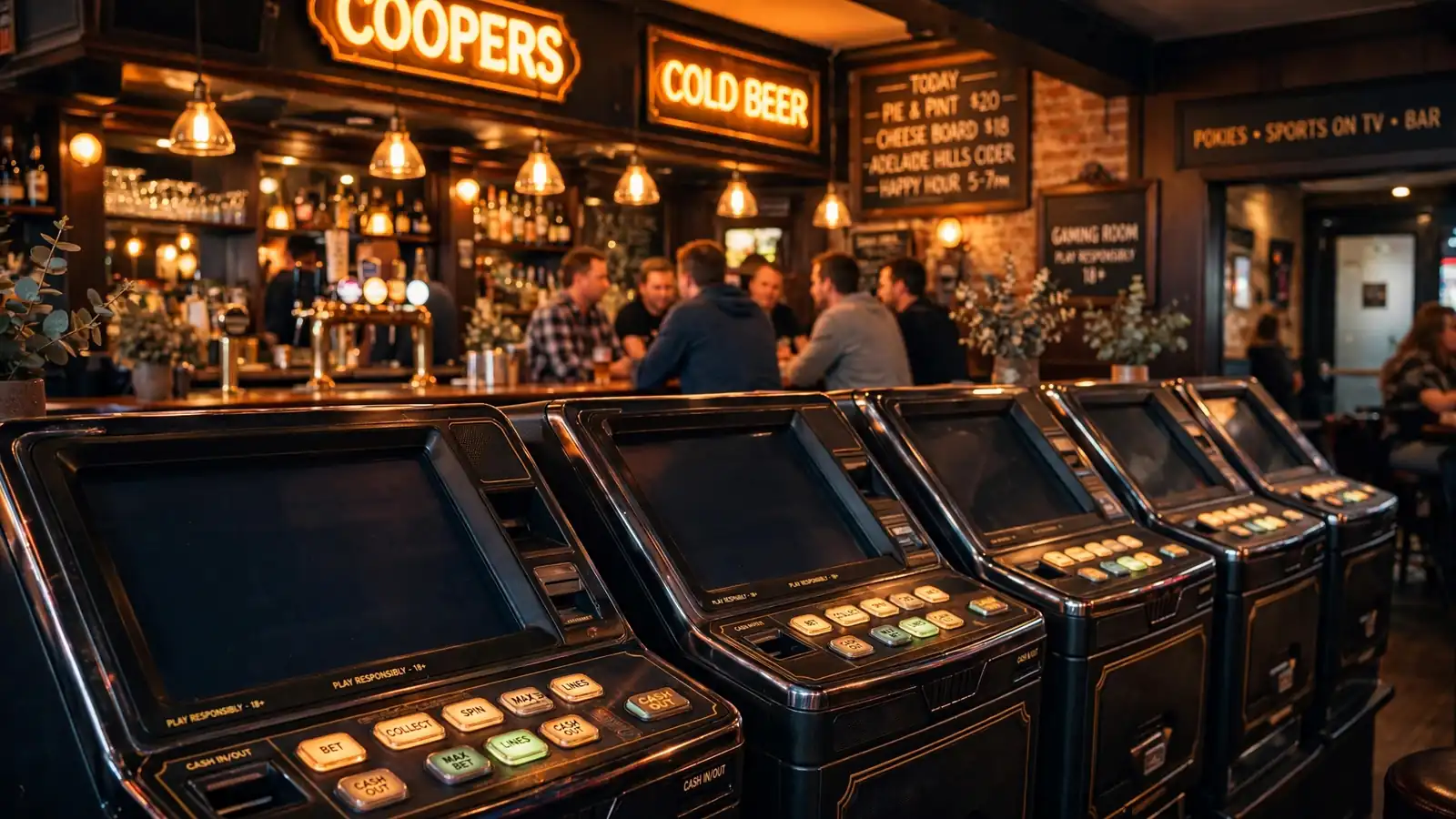
Before any first withdrawal, identity and address documents should be checked against the operator’s requirements; unresolved verification can become another obstacle to accessing funds. Yet completing those checks does not create Australian consumer protection where none exists. BetStop, Australia’s self-exclusion register, applies to Australian-licensed operators and does not bind offshore sites. Since there are no Australian-licensed online casinos, it cannot be treated as a safeguard against offshore pokies.
The attraction of cashless play is plain: fewer visible steps between a device and a wager. The less visible steps matter more—who receives the money, what rules govern the account, and which authority can act if the transaction ends badly. A transfer can be seamless. Protection cannot be inferred from that.
Opening Hours: What the Available Information Cannot Confirm
The phrase “24-hour pokies” sounds like a simple description: machines available at any hour, without the interruption of a closing time. In practice, opening hours belong to a particular venue, not to Melbourne as a whole. A city-wide label cannot establish when a gaming room is operating, and a venue’s general trading hours would not, by themselves, settle whether its pokies are available throughout that period.
That distinction matters because hours can be treated as a property of a place rather than a promise attached to a search result. A listing may describe a business broadly; a notice may refer to a different service area; an old page can remain visible after arrangements change. None should be read as a reliable account of current machine access unless the venue itself clearly states the relevant hours.
Do
- Check the venue’s own current information for trading hours.
- Verify the specific operating hours of the gaming area.
Don’t
- Rely on broad city-wide labels like “24-hour pokies”.
- Assume pokies are available whenever the main venue doors are open.
The words “open now” add another complication. They are time-sensitive, while opening information online can lag behind changes at the premises. Even a listing that appears current does not necessarily describe the hours of the gaming area separately from the rest of the venue. A restaurant, bar or club may have its own schedule, and the presence of pokies does not prove that the machines operate whenever the doors are open.
This is less a technical puzzle than a small lesson in how public information is organised. Modern directories compress a building into a single label, although a building contains distinct rooms, services and rules. “Open” looks precise on a screen. The reality can be more particular.
For anyone comparing Melbourne pokies hours, the useful distinction is therefore between a venue’s published trading hours and the operating hours of its gaming facilities. Those details need to come from the venue’s own current information, stated specifically enough to cover the pokies area. A broad city guide, an undated directory entry or a general claim of round-the-clock access cannot substitute for that confirmation.
There is no universal timetable implied by the phrase “24-hour pokies in Melbourne”. It describes an expectation, not a schedule. The practical answer rests with each venue and the current terms under which its gaming area operates. Anything less precise risks turning a convenient label into a wasted trip.
East, South-East and Western Melbourne: A Search by Direction
Melbourne’s directional labels are useful as starting points, but they are not a directory. “East” and “south-east” can describe broad areas rather than a clear boundary, while “western suburbs” gathers together places that may be quite different in distance and character. A request for pokies in one of these areas says where someone hopes to look; it does not establish that a particular venue is there.
That distinction matters when a map result or a familiar suburb name seems to settle the question. St Kilda, for instance, is often used as a convenient geographical marker in Melbourne searches. The name alone cannot confirm that a venue operates there, or that it has the kind of gaming facilities being sought. Location and offering need to be checked separately against information from the venue itself.
A directional approach can still make practical sense. It narrows a city-wide search into a manageable area, then leaves the finer work to specific addresses, transport choices and current venue information. The map gives a frame, not a promise. Melbourne’s edges are not made tidier by typing “east” into a search box.
One phrase sometimes attached to this kind of search is “Newcastle Melbourne”. Newcastle is a separate city, not a Melbourne district, so the wording may combine two different location ideas. It is worth treating the place name as a clue to clarify rather than assuming it identifies a Melbourne neighbourhood. Otherwise, distance can disappear inside a few careless words.
The same caution applies when location is paired with a request for a maximum-bet pokie. That phrase concerns the stake a particular game permits, not the direction in which a venue lies. A venue’s address cannot establish which games it offers or their settings, and a game description cannot establish where it can be played. These are separate questions, even when one short search seems to bundle them together.
The city’s directional language reflects how people organise ordinary movement: across town, toward the coast, or into the west. It is a useful shorthand, but shorthand leaves out the details that make a venue choice real. A suburb name can orient a search; it cannot stand in for a confirmed address or a confirmed offering.
Pokies in the CBD: Clubs, Venues and the Missing Directory
A search for pokies in Melbourne’s CBD often combines two different ideas: a place in the city centre and a particular kind of venue, such as a club. Neither phrase identifies a specific establishment.
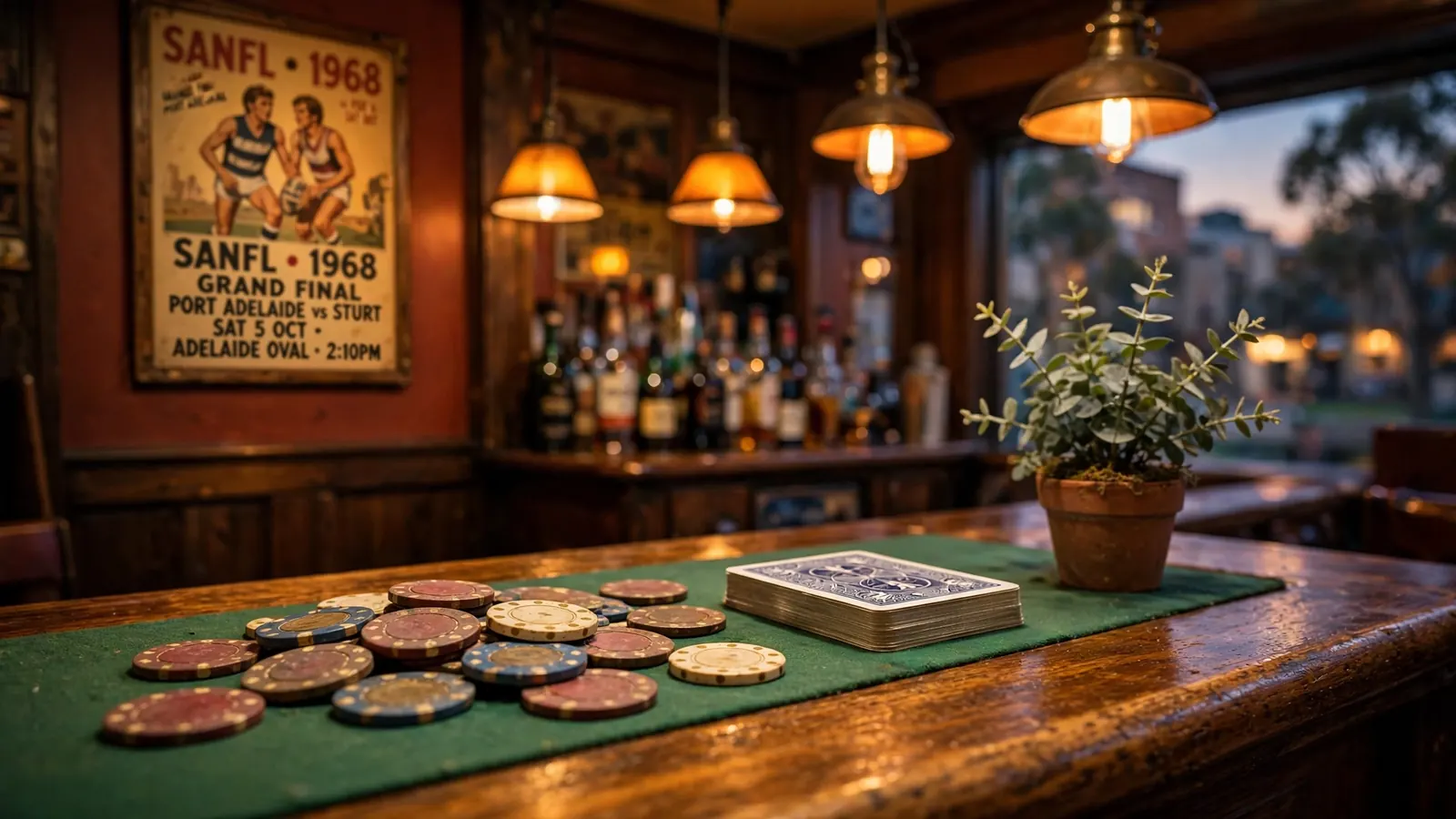
“Best” is just as slippery. A city-centre address does not establish what machines a venue has, how many it operates or whether its games suit any particular player. Nor does a club label settle those questions. The useful distinction is between a location someone is trying to find and information that can actually be checked about a venue.
Self-exclusion belongs to a different kind of search. It is a responsible-gambling tool, alongside deposit, loss and session-time limits. These measures are ways of setting boundaries around gambling; they do not make a venue’s machines predictable or guarantee that a person will avoid harm. For people seeking to step away, the relevant question is whether the particular setting offers a self-exclusion process and what that process covers. A generic CBD label cannot answer it.
BetStop is a national self-exclusion register, but its reach has a boundary: it applies to Australian-licensed operators and does not bind offshore sites. That distinction matters in a country where the Interactive Gambling Act 2001 prohibits operators from offering real-money online casino games to people in Australia, while the law does not impose liability on individual players for using offshore sites that accept them. If an offshore operator withholds winnings, Australian players have no domestic legal recourse to recover them. A safety measure with a defined scope should not be mistaken for a universal one.

The CBD is a useful map reference, not a quality rating. Club searches can narrow the kind of place being sought, but they do not supply a verified directory or evidence of a venue’s machine offering. For self-exclusion, the practical distinction is sharper: a tool’s name matters less than which gambling settings it can actually cover.
Geography is not a safeguard.
North and South Melbourne: Neighbourhood Searches, Not Verified Listings
North Melbourne and South Melbourne are distinct place names, not shorthand for the whole northern or southern half of the city. That distinction matters when looking for pokies: a result described as “near” either neighbourhood may refer to somewhere beyond its boundaries, while a venue name alone says little about its exact location or facilities.
The labels can also blur in ordinary conversation. “North Melbourne” may mean the neighbourhood, or simply a broad direction; “South Melbourne” can be used just as loosely. A precise address is therefore more useful than a directional description. It identifies where a venue is, without turning a nearby suburb into a claimed location.
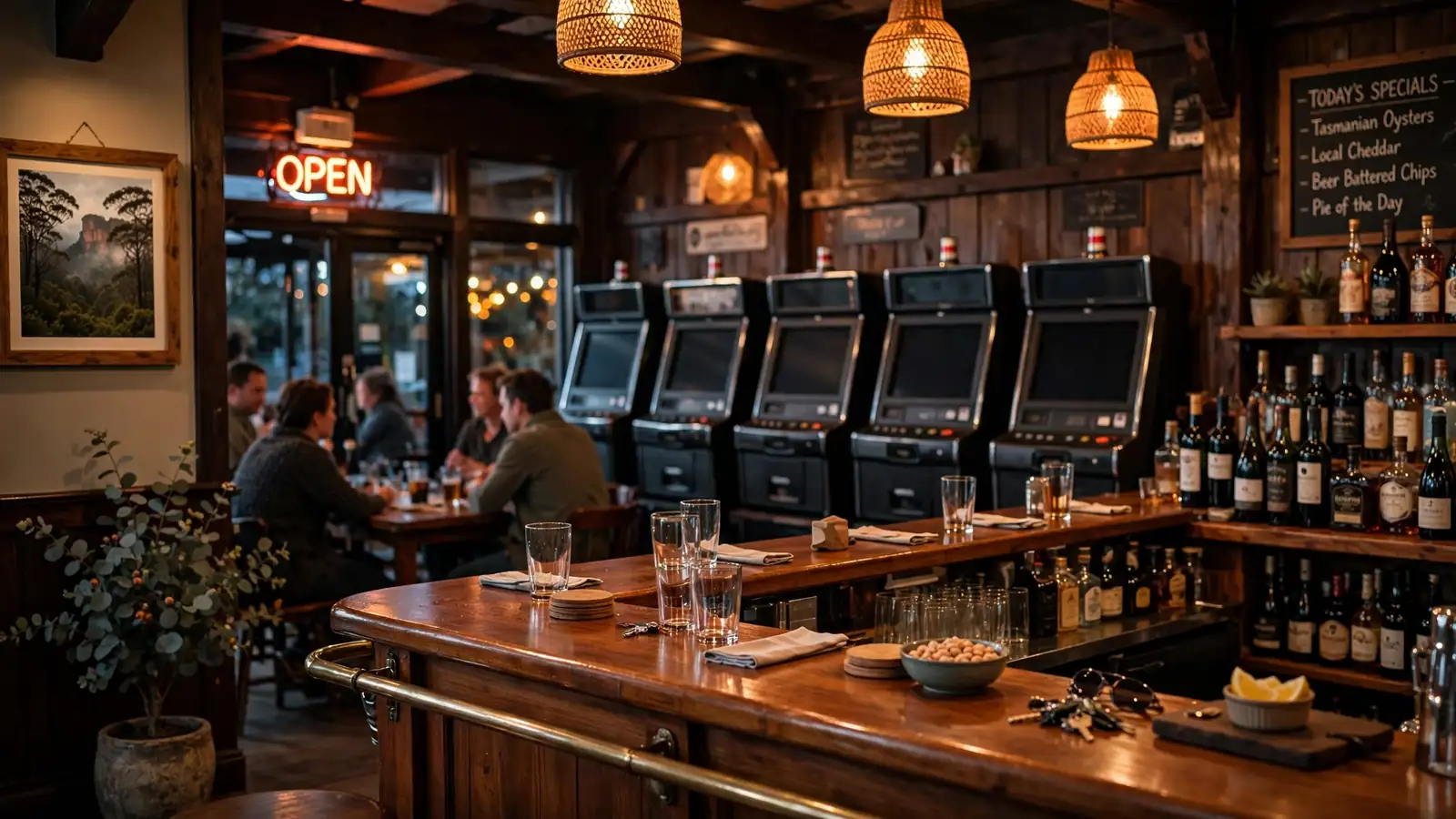
There is a second distinction between a venue and its gaming offering. A place may be described as a club, hotel or entertainment venue, but that description by itself does not establish that pokies operate there. Nor does it show how many machines are present, what games are available or whether the venue suits a particular visit. Those are separate details, not consequences of a neighbourhood name.
This is why a map pin, a venue’s own current information and the exact address deserve more weight than a broad label. Any claim about pokies should be tied to the venue itself, rather than inferred from its position on the north or south side. Geography narrows the area; it does not supply a directory.
The distinction is modest, but useful. A neighbourhood name can orient a search; only venue-specific information can establish what is there. No more than that.
What is the cost-benefit calculation of casino promotions?
Check the wagering requirement and any cash-out cap before accepting. For example, a $500 bonus with a 40x requirement means $20,000 in bets before withdrawal; if the requirement applies to a $500 deposit plus a $500 bonus at 35x, it means $35,000 in bets.
Can casinos change the RTP of their games?
Yes. Some game providers let casinos choose among multiple RTP settings, so the same pokie can have different return percentages at different casinos.
Are online pokies legal for Australian players?
Australian players may legally play on offshore sites that accept them, but companies cannot legally offer real-money online pokies to Australians without a domestic licence, and none have been issued. Players have no legal recourse in Australia if an offshore casino refuses to pay winnings.
Published by the Cuntspin Casino team.