Casino in Melbourne: Hotels, Poker and Practical Details
 Available in AU
A practical look at the difference between an integrated casino hotel and nearby accommodation, alongside questions about gaming, dining and facilities.
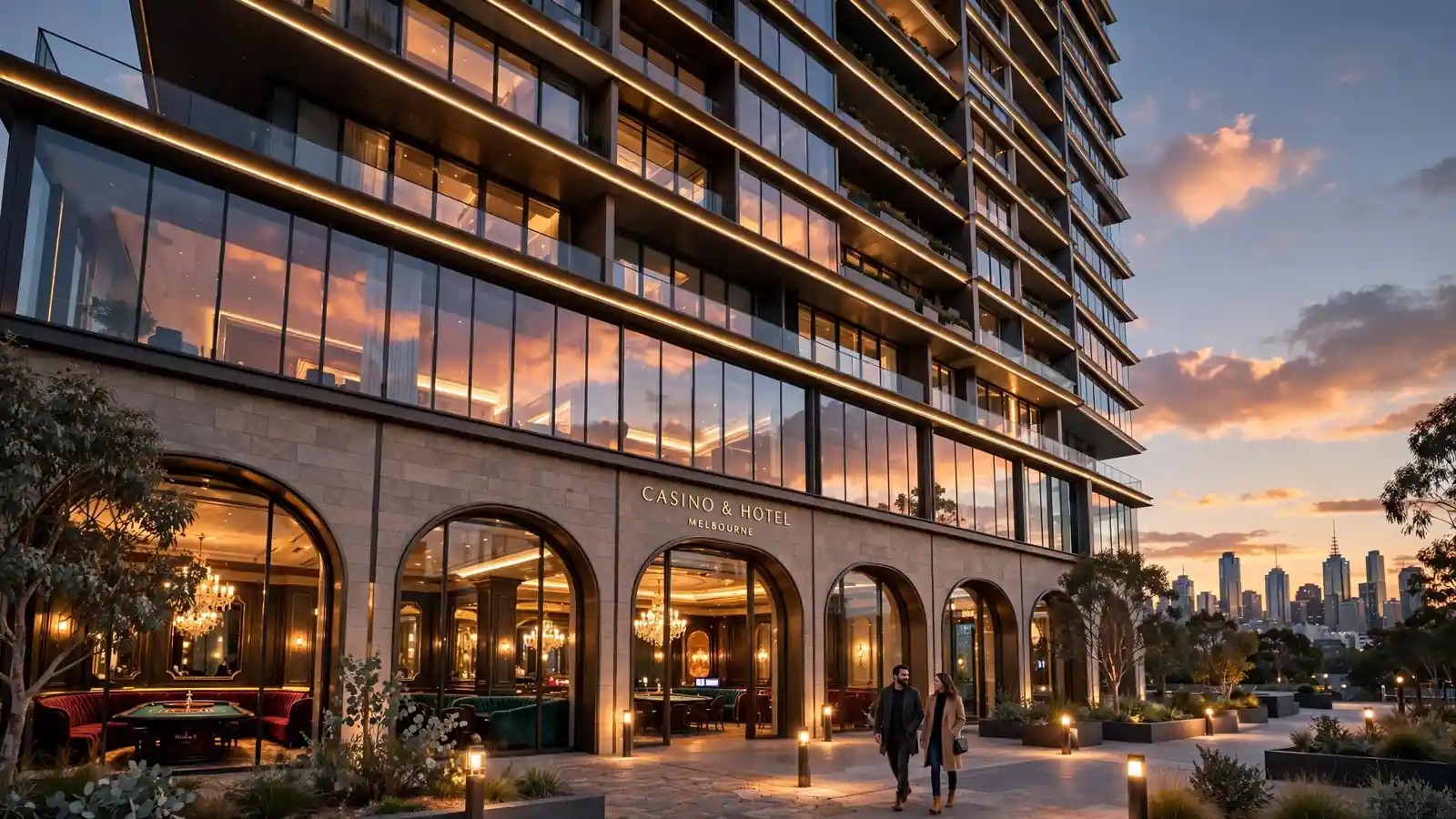
Table of Contents
- A Casino Hotel in the City
- Poker Rooms, Tournaments and the Meaning of “Casino”
- The Car Park—and the Online Casino Question
- Staying Near the Casino
- Getting in Touch, Going Out
- Breakfast, Buffets and the Fine Print on Bonuses
- Opening Hours, Events and a Game Lobby That Can Change
- Restaurants at the Casino
- Spa Searches and the Limits of What Is Known
- Food Courts, Pools and What the Search Terms Can’t Confirm
A Casino Hotel in the City
The phrase “casino hotel” promises a particular arrangement: accommodation and gambling under one operation, or at least within one integrated property. That distinction matters in a city where a hotel and a casino may be close enough to appear together in a travel plan, yet remain separate businesses. Proximity does not turn one into the other.
For Melbourne, the label is most useful when treated as a description to establish, not a feature to assume. A hotel room associated with a casino should be identifiable as part of the casino’s own accommodation operation. A separate hotel, however near the gaming venue, remains a separate hotel. The difference affects what a room booking includes, who is responsible for it and whether a supposed package is genuinely connected to the casino.
Room searches often suggest more certainty than they contain. “Casino hotel rooms” might refer to rooms inside a casino-operated hotel, or simply to accommodation sought by someone planning a casino visit. Those are not interchangeable categories. The first is about the ownership or operation of the property; the second is about location and convenience. A hotel’s proximity cannot establish that it shares the casino’s management, services or booking arrangements.
Choosing a casino in Melbourne means weighing the details that are actually available, such as licensing and payment terms. Use these verdicts as a concise reference when considering your options for 2026.
License: Curacao · Payout speed: crypto 30-60 minutes, fiat 1-5 days · Min. deposit: A$10 Wild Tokyo lists a Curacao licence and a A$10 minimum deposit. Its stated payout times are 30–60 minutes for crypto and 1–5 days for fiat.
License: Curacao Golden Pokies lists a Curacao licence. That is the available detail for assessing its regulatory background.
License: international iGaming licence – jurisdiction not named in the source · Payout speed: PayID 1-24 hours · Min. deposit: A$30 (PayID from A$10) House of Pokies lists an international iGaming licence, though the source does not name the jurisdiction. PayID payouts are stated at 1–24 hours, with a A$30 minimum deposit or A$10 via PayID.
License: Curacao eGaming (Dama N.V.) JeetCity Casino lists a Curacao eGaming licence issued to Dama N.V.
License: Curacao Gaming Control Board JustCasino lists a Curacao Gaming Control Board licence.
License: Curacao Gaming Control Board OGL/2023/176/0095 (Hollycorn N.V.) Rollero Casino lists a Curacao Gaming Control Board OGL/2023/176/0095 licence, held by Hollycorn N.V.
License: Curacao (operating since 2017) · Min. deposit: A$20 Uptown Pokies lists a Curacao licence and says it has operated since 2017. Its minimum deposit is A$20.
License: Curacao Gaming Authority (Jumpman Gaming Ltd) DragonSlots Casino lists a Curacao Gaming Authority licence held by Jumpman Gaming Ltd.
License: Curacao Gaming Control Board OGL/2023/176/0095 (Hollycorn N.V.) Neospin lists a Curacao Gaming Control Board OGL/2023/176/0095 licence, held by Hollycorn N.V.
Payout speed: crypto under 1 hour, PayID 1-3 business days · Min. deposit: A$20 (A$30 to qualify for the bonus) Ricky Casino states crypto payouts under 1 hour and PayID payouts in 1–3 business days. The minimum deposit is A$20, or A$30 to qualify for the bonus.
The same care applies to deals. A promotional rate can sound like a single, generous bundle while combining separate elements: a room price, a booking condition, or an inclusion offered by a hotel rather than by a casino. The label “casino deal” is meaningful only when the parties and terms are clear. Without that clarity, the phrase may describe little more than a travel intention.
There is a small but revealing social history in the casino-hotel idea. It belongs to a style of leisure that packages several activities into one destination, making the boundary between a place to sleep and a place to spend money feel almost incidental. The arrangement can be convenient in principle. It can also make separate commercial decisions look like one seamless invitation. The packaging is part of the product.
A useful description of a room deal therefore names what is actually included and who supplies it. A room rate is not automatically a casino benefit; a casino visit is not automatically part of a hotel booking. Nor does the word “Melbourne” settle the matter. It identifies a city, not the relationship between a gaming venue and a particular accommodation business.
The distinction is especially important when a booking is presented as an all-in-one stay. The central question is not whether the hotel is close to the casino, but whether the accommodation is operated as part of the same property or sold under an explicit arrangement. If the relationship is not stated, the safest reading is the narrow one: a hotel booking remains a hotel booking, and any casino component needs its own clear description.


Opening times belong to another practical question. A hotel may operate around the clock while a casino’s public areas follow their own schedule; one does not establish the other. A room reservation cannot, by itself, confirm when a gaming floor is open. The two services may share a building in some places, but their timetables are conceptually separate.
That is why “casino hotel in Melbourne” should not be allowed to blur three things into one: a city casino, accommodation nearby, and a hotel operated as part of a casino property. Each describes a different relationship. Room rates and packages make sense only once that relationship is plain. Convenience is not proof of integration.
Poker Rooms, Tournaments and the Meaning of “Casino”
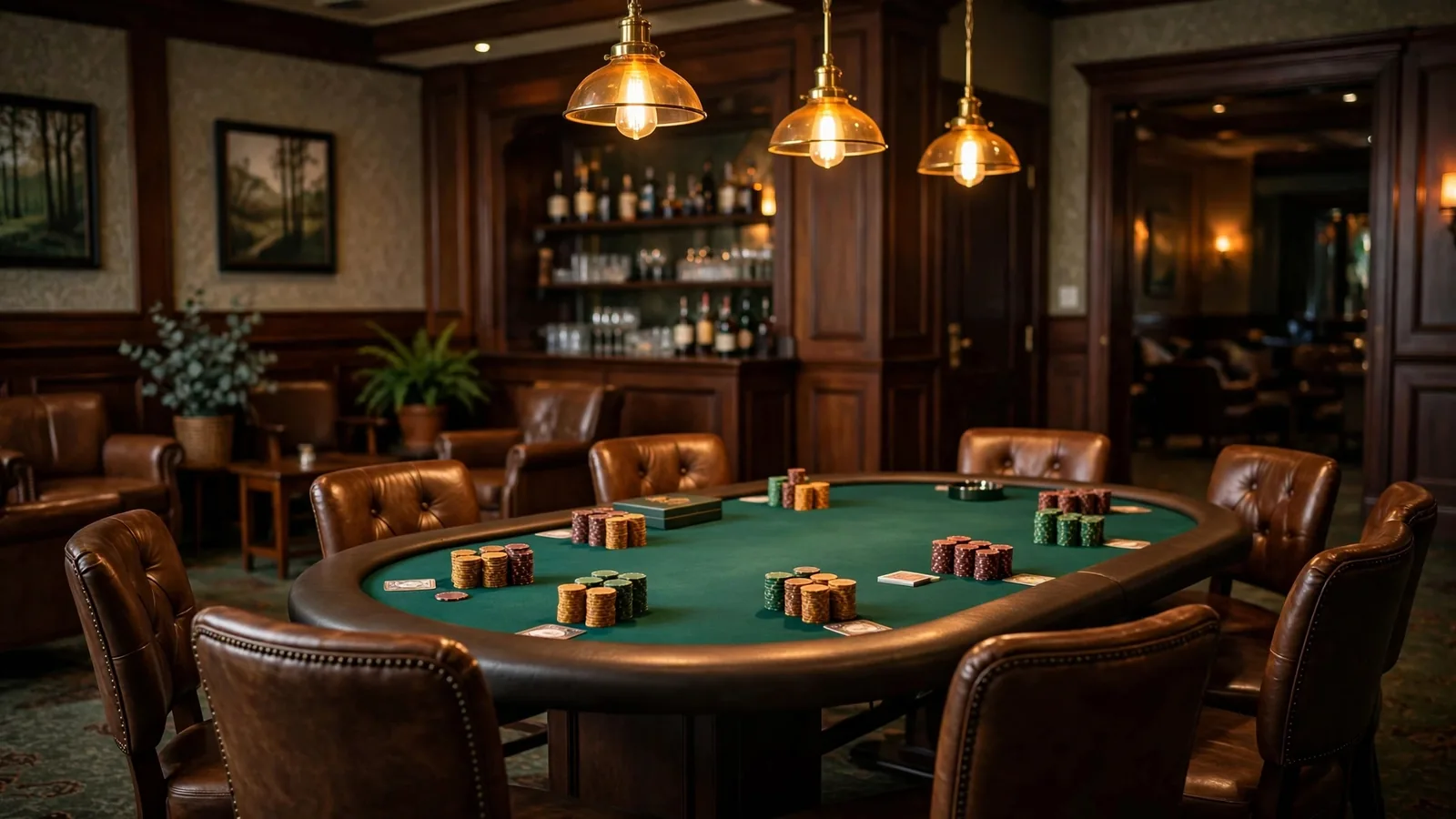
A search for poker at a Melbourne casino can mean a particular kind of card game: players facing one another across a table, with a dealer managing the hand. A poker room, if a venue has one, is not the same thing as a bank of electronic gaming machines. Nor does the word “poker” in “poker machines” make those machines a form of live poker. The names overlap; the activities do not.
That distinction matters because a venue’s identity can gather several different expectations under one roof. Someone looking for a tournament wants scheduled competition and a seat at a table. Someone looking for pokies has a different game in mind, built around individual spins rather than decisions against other players. And someone looking for a sports bar is searching for a place to watch a match, not evidence of a poker room. The label “casino” does not settle which of these facilities or activities a particular building provides.
A venue’s identity can encompass multiple facilities; the label “casino” does not guarantee the presence of a specific poker room, tournament calendar, or sports bar.
For Melbourne specifically, claims about a poker room, tournament calendar or sports bar need confirmation from the venue itself. A room in a search phrase might mean a poker room, a hotel room or simply a space inside the building. The wording alone cannot establish which one is meant, still less whether a tournament is running or a table is available. Schedules and facilities are not interchangeable facts.
There is also a geographical trap in borrowing rules from elsewhere. New South Wales has its own arrangements for poker machines, including a legal age of eighteen and mandatory pre-commitment systems in which a player sets a loss limit before play. Those are NSW rules, not a description of gambling at a Melbourne venue. A state boundary is not decorative.
The distinction between live poker and online poker is legal as well as practical. Under the Interactive Gambling Act 2001, operators based in Australia cannot provide real-money online casino games, including poker, to people physically located in Australia. That rule concerns online services; it does not establish whether a Melbourne building hosts a face-to-face poker game. The two questions should not be collapsed merely because both contain the same word.
Poker tournaments also carry a social meaning that a machine-based game does not. A tournament puts players in a shared contest, where patience, risk and the reading of other people become part of the spectacle. The casino, by contrast, is a broad venue category, not a promise that every form of gambling will be available within it. A listing that says “casino” may describe the building without answering what is played there.
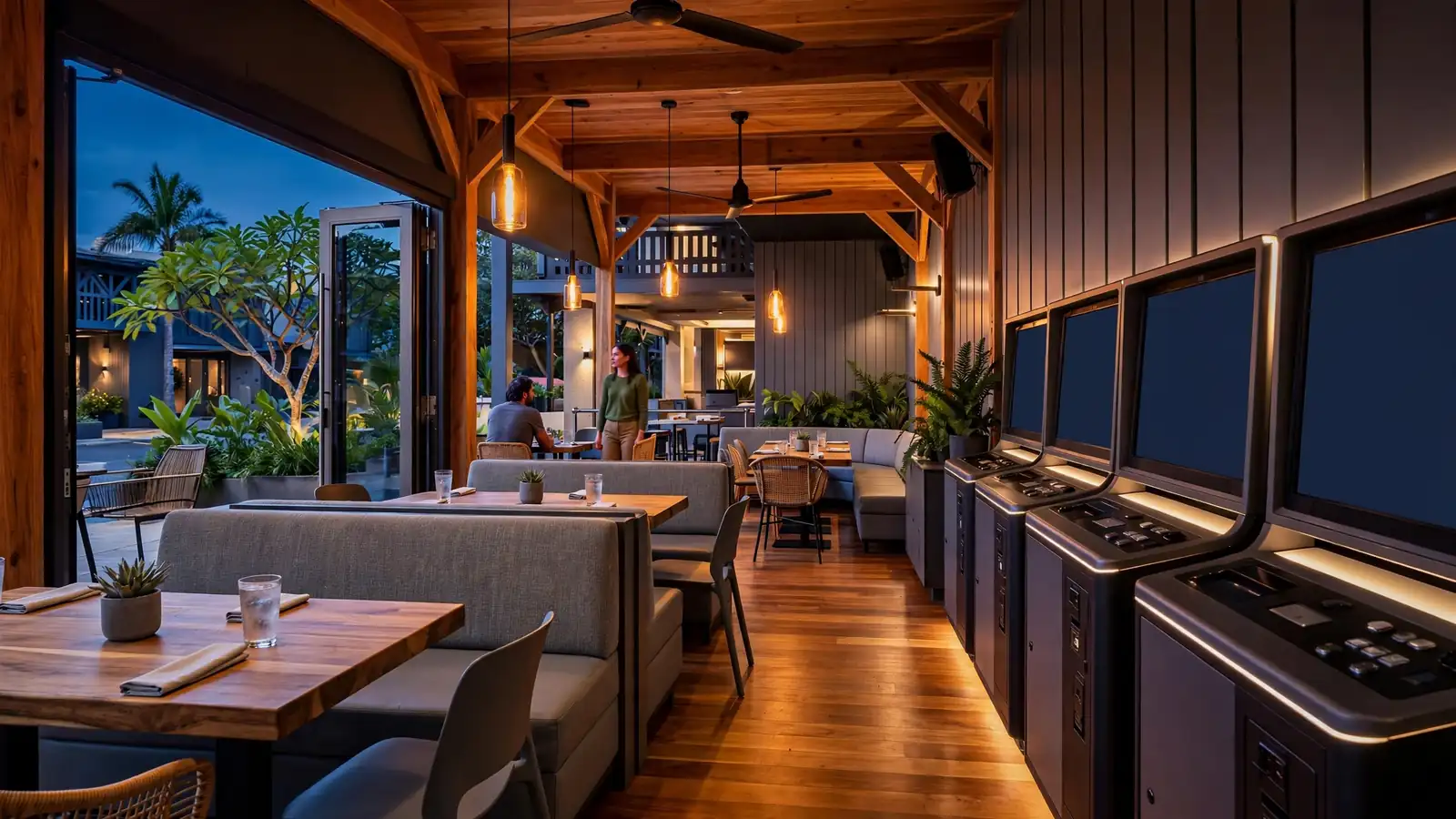
For anyone comparing a Melbourne poker room with a poker-machine floor, the reliable distinction is the format: cards and opponents on one side, electronic gaming machines and individual play on the other. The detail that matters next—whether a room exists, when a tournament takes place, or whether entry is available—belongs to current venue information, not to assumptions drawn from a name. Search terms can point toward a door. They cannot confirm what is behind it.
That is the useful boundary. Poker is not pokies. A tournament is not a timetable unless one is actually published. And a casino is not a complete inventory.
The Car Park—and the Online Casino Question
Parking and online play belong to different questions, even when a search for a Melbourne casino brings them together. A car park, valet service or free-parking arrangement is a matter of getting to a physical venue. The phrase “online casino” points instead to a service delivered over the internet, where the relevant distinction is not the view from the street but where the operator is based and what Australian law permits.
That distinction is unusually easy to blur. An Australian-run business cannot legally provide real-money online casino games to people in Australia under the Interactive Gambling Act 2001. The restriction covers familiar casino-style games, including pokies, blackjack and roulette. A Melbourne venue’s physical existence does not alter that rule: a building and an internet service are not interchangeable simply because both use the word casino.
Legal Restriction
Under the Interactive Gambling Act 2001, Australian-run businesses cannot legally provide real-money online casino games to people physically located in Australia.
Offshore platforms sit in a different, less tidy position. It is technically not illegal for an Australian player to use one, but such platforms are not regulated under Australian law. That does not make them Australian services, nor does it give them a local licence or the protections attached to Australian regulation. The law draws a line between the operator’s prohibition on serving people here and the player’s position; it does not turn an offshore site into a lawful local casino.
The distinction can sound like a loophole when reduced to a search result. It is better understood as a boundary with an uneven edge: operators are prohibited from supplying these services to people in Australia, while offshore platforms remain outside the domestic regulatory framework. Access to such sites is also subject to blocking and enforcement measures. A technical route onto a website should not be mistaken for approval, local oversight or a reliable avenue for resolving a dispute.
“Best casino in Melbourne” can therefore mean a night at a physical venue, while “online casino in Melbourne” describes a different legal and practical category. The words overlap; the rules do not. Nor does a search for parking establish whether a venue offers a car park, valet service or complimentary spaces. Those are specific transport details, not consequences of being called a casino.
There is a small civic history in this separation. Gambling regulation has long been shaped by the uneasy bargain between entertainment, commercial supply and public responsibility. Online services unsettle that bargain because an operator can be offshore while its customers are in Australia. The law responds by placing the prohibition on the provider, while the player’s use of an offshore platform remains outside Australian regulation. Not quite a local service. Not quite a protected one.
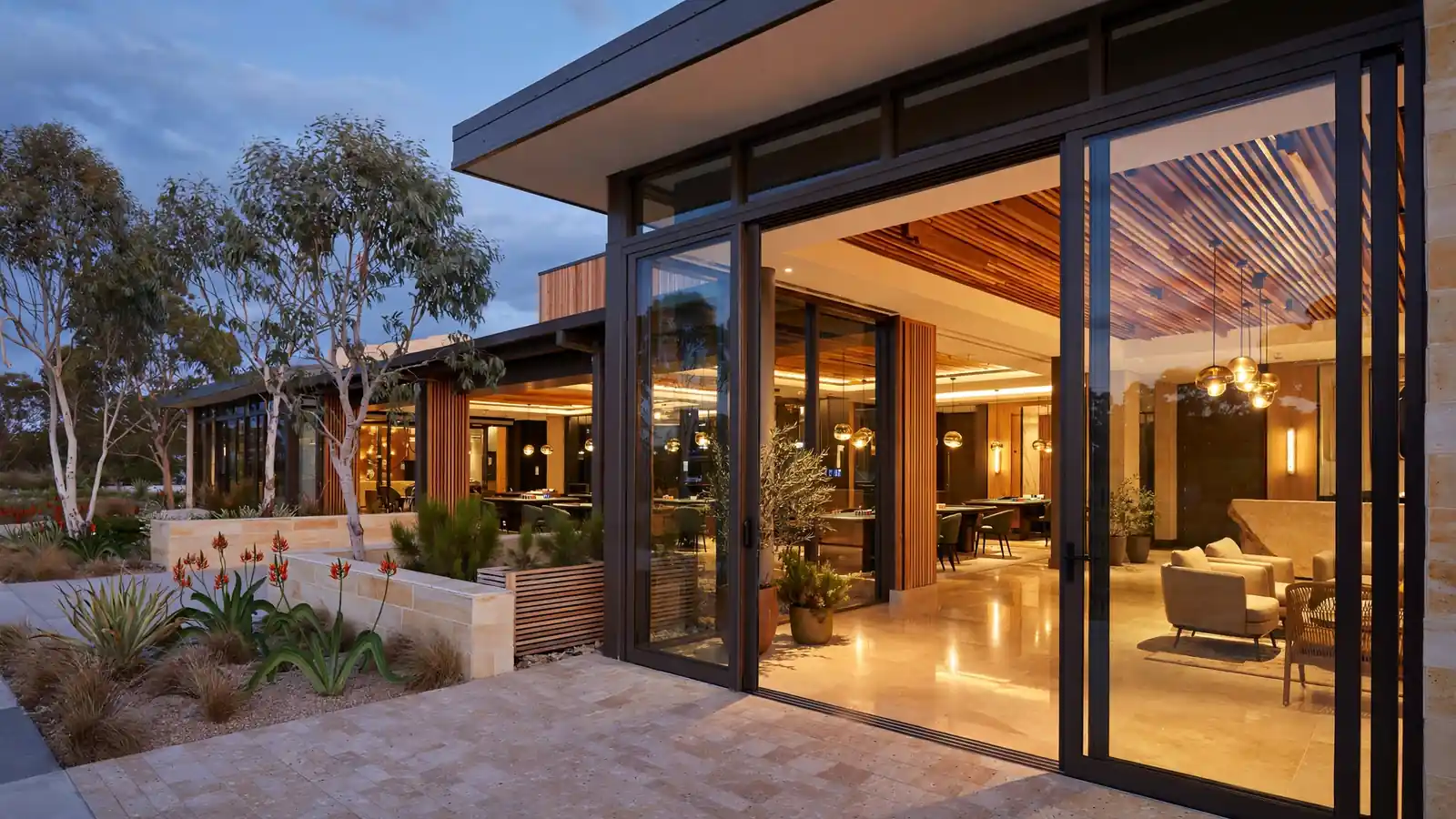

The practical vocabulary matters. Parking concerns arrival and departure; online play concerns an operator’s legal position and the limits of domestic protection. Neither can answer the other. A search for free parking cannot establish anything about online legality, and a website’s availability cannot confirm a Melbourne venue’s transport arrangements. The two subjects share a word, not a rulebook.
Staying Near the Casino
Accommodation near a casino is a different proposition from a room inside one. The distinction matters: a nearby hotel, apartment or guesthouse has its own operator, booking conditions and address. Its proximity does not make it part of the casino, any more than a lit sign across the street makes two businesses one.
For anyone comparing accommodation around Melbourne’s casino, the useful questions are ordinary ones: where the property is, how the route works on foot or by public transport, what the booking includes, and what happens if plans change. A map pin can make “near” look precise, but the route on the ground may involve crossings, construction or an entrance on the opposite side of a large building. The advertised distance is only the beginning of the journey.
The phrase “Melbourne casino accommodation” can also blur two different searches. One is for rooms operated as part of a casino hotel; the other is for independent places to stay in the surrounding area. They should not be compared as though they were the same product. A listing’s name, operator and cancellation terms are more informative than a vague promise of convenience.
Do
- Check the property’s exact address
- Verify the official operator and booking terms
- Confirm the route on the ground
Don’t
- Assume “nearby” implies a discount
- Rely on a vague “city centre” label
- Book based on a casino name without checking management
Deals need the same scrutiny. A low headline rate may come with conditions about dates, payment, cancellation or what is included in the price. The word “nearby” is not a discount, and a package that mentions a casino does not establish that the casino itself is offering it. Booking terms belong to the accommodation provider named in the reservation. That small piece of paperwork tends to outlast the promotional banner.
Location is not merely a matter of blocks on a map. It shapes the evening: whether a return journey is straightforward, whether there are transport options when plans run late, and whether the surrounding streets suit the pace of the stay. Those details vary by property and date, so a general label such as “city centre” cannot settle them. The exact address and current route are the practical starting points.
Searches for the casino’s location sometimes lead to accommodation listings, then back to the venue itself. Keeping the two addresses distinct prevents a familiar booking mistake: reserving a room because it appears beside a casino name, without checking who owns or manages the room. The venue’s address identifies the destination; the accommodation’s address identifies where the guest will actually sleep.
There is a social history tucked into the language of proximity. Cities sell access as an experience: a bed near a theatre, stadium, station or casino can be marketed as part of the outing, even when the businesses have no shared ownership. That is not necessarily misleading, but it makes precision valuable. A short walk, a transport connection and a shared brand are three different claims.
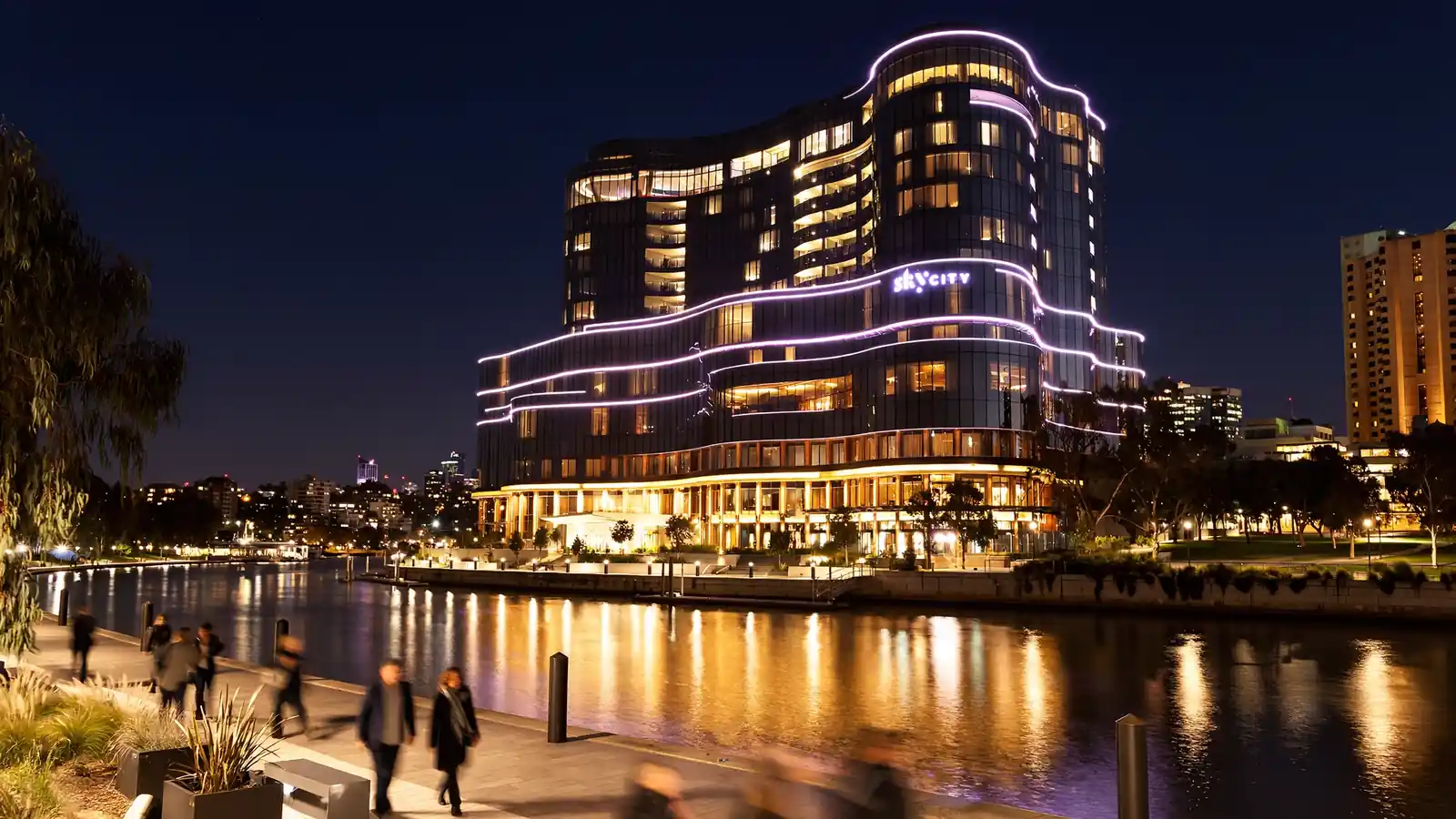
The sensible comparison is therefore not a supposed list of “best” nearby stays, but a check of each property’s address, route, booking conditions and total price. Without those particulars, a recommendation would be scenery painted onto a blank map. Nearby is a promise of geography, not of quality.
Getting in Touch, Going Out
A request for a Melbourne casino contact number sounds straightforward, but contact details are only useful when they belong to the venue itself and are current. Directory listings can preserve old numbers long after a business changes its arrangements. For enquiries about entry, accessibility or a particular event, the venue’s official website is a better starting point than an unverified listing; any number found elsewhere should be checked against that official channel before it is used.
The same caution applies to maps. A map pin can identify a destination, but it cannot confirm entrances, current access arrangements or what is happening inside. Those details belong to the venue’s own visitor information, not to the geometry of a screen. A useful map is the beginning of a plan, not its whole substance.
The words “bar” and “concert” describe different kinds of expectation. One suggests a place to meet or spend an evening; the other suggests a programme with a date, performer and ticketing arrangements. Neither phrase, by itself, establishes what a particular Melbourne venue offers on a particular night. Event listings can change, and a general venue page may not answer questions about a specific performance. The sensible distinction is between a building’s general identity and the details of an individual visit.
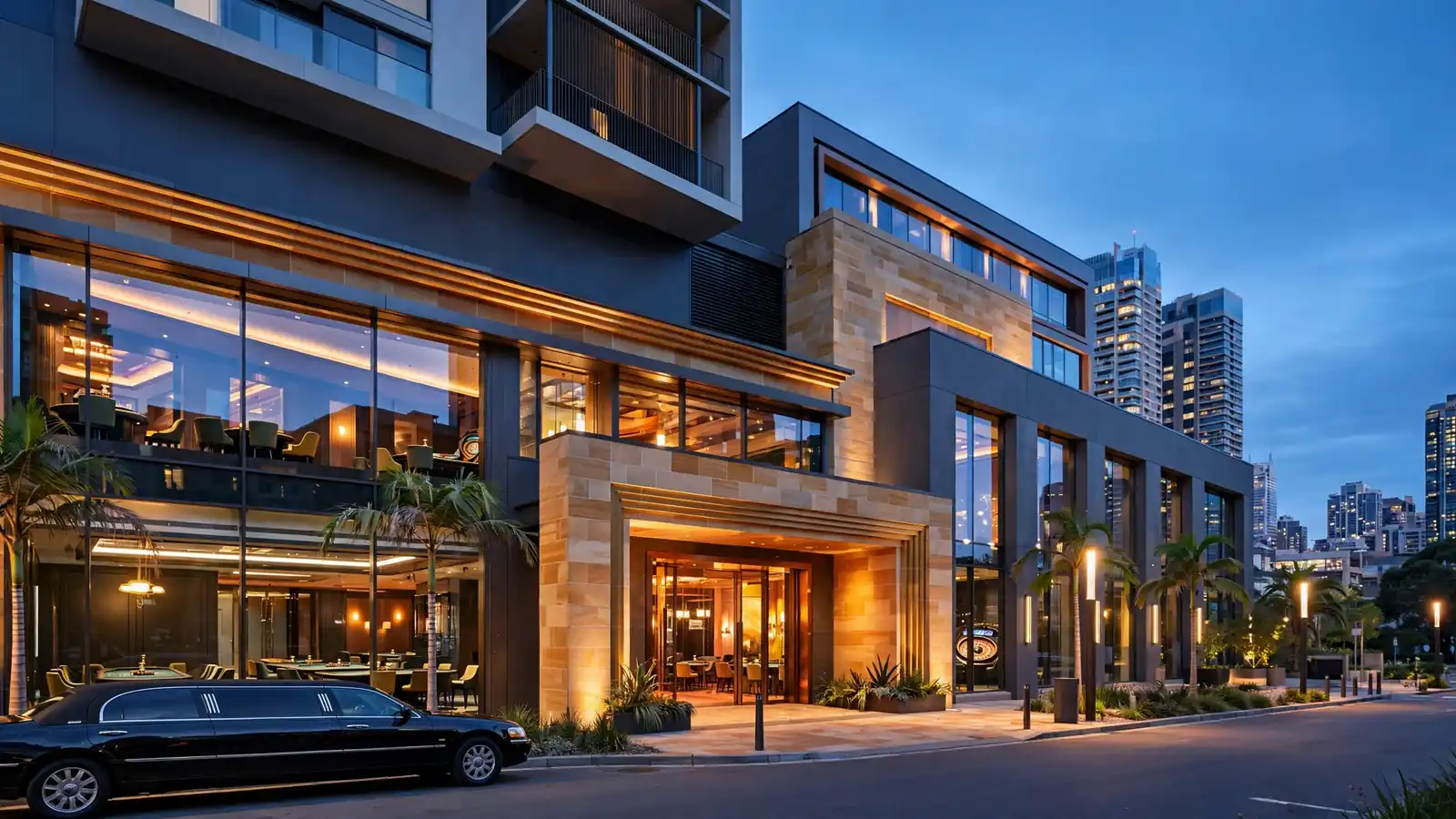
Baccarat and craps raise a similar problem of inference. They are names of casino games, not evidence that either is available at a given venue, in a particular room or on a particular date. A search for baccarat in Melbourne may concern a physical table, an explanation of the game, or online play; those are not interchangeable requests. The distinction matters especially in Australia, where the Interactive Gambling Act 2001 prohibits operators from providing real-money online casino games, including table games, to people physically located in the country. A physical venue and an online service sit under different rules.
That legal line is easy to blur in a search box. The word “casino” can point toward a night out, a game, or a digital product, while the law does not treat those settings as one category. Online casino-style games offered to people in Australia are prohibited interactive gambling services. The relevant question is therefore not merely which game name appears on a page, but what kind of service is being offered and where the player is located.
A bar listing, concert calendar or table-game description should be read as practical information with a date attached, not as a permanent promise about a venue. The useful details are specific: the event date, the stated entry arrangements, and the official contact route for questions that the listing does not answer. If those details are absent, a confident-sounding third-party summary cannot supply them.
There is little romance in checking the source twice. But a night out is made of particulars—an address, a start time, a door that is open—and those particulars are exactly what an old listing cannot guarantee. A name is not a plan.
Breakfast, Buffets and the Fine Print on Bonuses
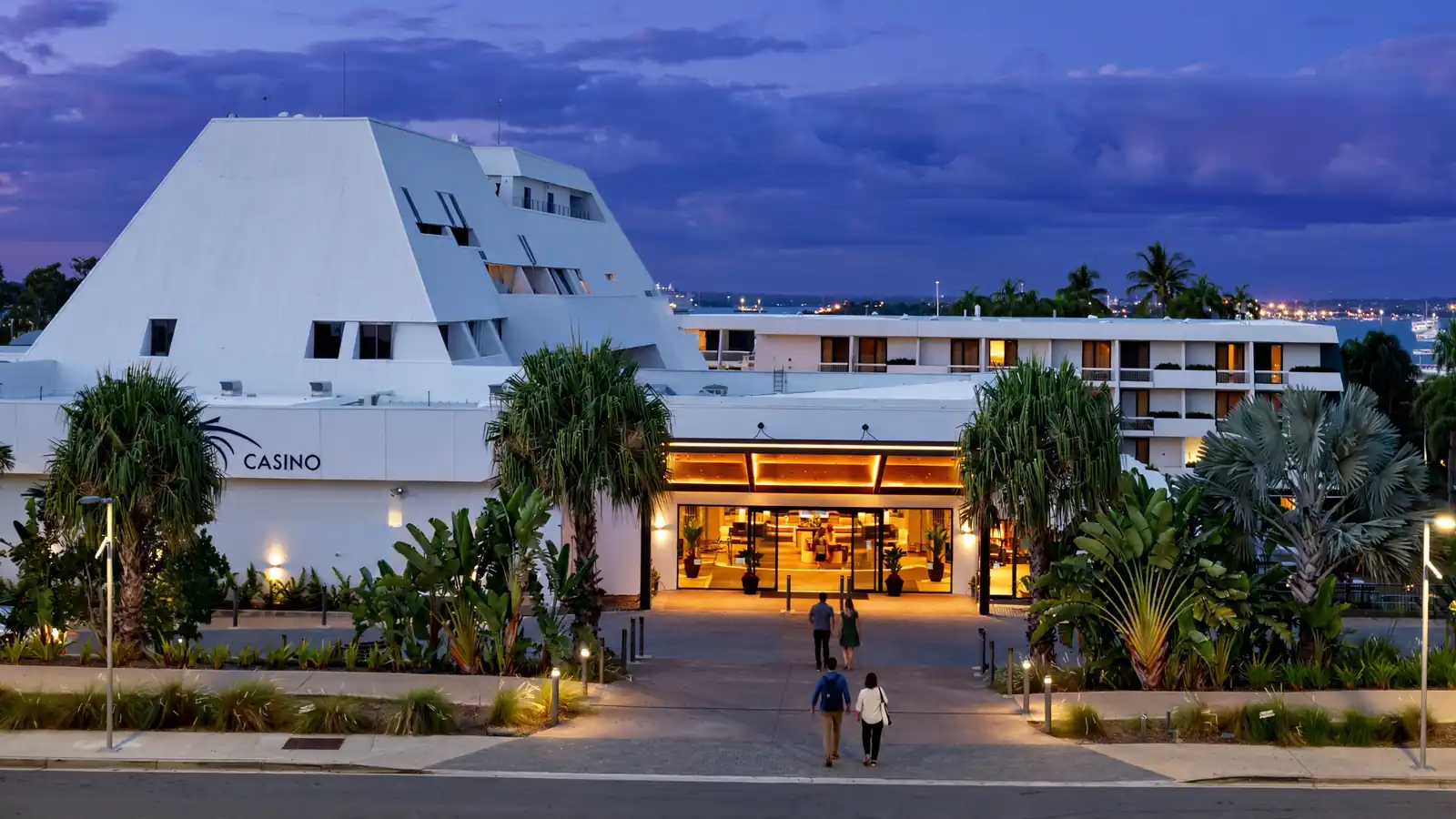
Breakfast is one of those searches that turns a building into a promise. A casino resort sounds as though it might gather a room, a morning meal and a game floor under one roof; the phrase alone, however, establishes none of those arrangements. A buffet breakfast is more specific still: it implies a format, not merely that food may be served somewhere nearby.
That distinction matters because hospitality language travels easily. “Resort” can describe an aspiration, a marketing category or a particular property, while breakfast and buffet refer to services that need their own current confirmation. Searches about casino rewards belong to another category again: a rewards programme would have its own eligibility and terms, and should not be inferred from the word “casino”. Employment is separate too. Job listings, roles and recruitment arrangements depend on the employer and the vacancy, not on what a breakfast or resort label might suggest.
The more consequential fine print appears in online gambling promotions. In Australia, the Interactive Gambling Act 2001 bars operators from supplying online casino-style games for real money to people located in the country. That includes pokies and table games. A bonus description does not change the legal character of the service, and promotional language should not be mistaken for a lawful offer to Australians.
Where such terms are discussed as general information, “free spins” rarely mean winnings that can simply be withdrawn. A report published by psu.com described wagering requirements in the range of 20 to 50 times for free-spin winnings; that is a report, not a fixed rule for every promotion. A separate specialist review described a 30-times wagering condition for free-spin winnings. These differing figures point to the same practical issue: the specific terms matter, and a headline bonus can conceal conditions attached to withdrawal.
Wagering requirements examples
A report by psu.com noted wagering requirements between 20 to 50 times for free-spin winnings, while another specialist review cited a 30-times condition.
These requirements determine how much qualifying play is needed before winnings can be withdrawn.
Wagering requirements measure how much qualifying play is required before eligible winnings may be withdrawn. Pokies are commonly counted in full toward that requirement, but the contribution assigned to a game is still a term to inspect rather than a universal guarantee. Conditions may also set a maximum cashout or allow winnings to be voided in specified circumstances. Fine print is not decoration.
A useful comparison therefore keeps unlike things apart: a venue’s breakfast service is a hospitality question; online bonus terms concern a gambling promotion, and in Australia the underlying online casino offer is prohibited for people in the country. Neither a buffet label nor a rewards scheme can make those categories interchangeable. The wording may be generous. The conditions are less so.
Opening Hours, Events and a Game Lobby That Can Change
Questions about whether the Melbourne casino is open, has reopened, or is hosting an event belong to the physical venue. A game lobby belongs to a different world: the software catalogue of an online platform. The two can share the word “casino” without sharing a timetable.
Opening hours and reopening notices are practical matters, especially when a venue’s operations or public access may change. Event listings have their own short shelf life: a performance or gathering announced for one date says little about the next. A search result, an old review or a copied listing can therefore offer a snapshot rather than a dependable account of what is happening now. For current venue hours and events, the relevant information is the venue’s own published notice. No inference about a Melbourne venue’s schedule follows from the behaviour of an online game lobby.
The same distinction applies to development and employment. Those terms may point to construction, changes in operations or job vacancies, but they do not establish that a venue is open to the public, nor that a particular event is scheduled. Entertainment is a broad label, not a programme. A review can describe what its writer encountered at one point in time; it cannot stand in for a current calendar.
Online lobbies change for another reason. Region blocking can use the player’s IP address to estimate their location. When a game is excluded for Australia, it will not appear in the lobby accessed from an Australian IP address. The missing title is not evidence that a venue has closed, postponed an event or altered its hours. It is a software catalogue responding to location.
There is a legal boundary here, too. Under the Interactive Gambling Act 2001, operators may not provide real-money online casino games to people in Australia. An online lobby should not be mistaken for an Australian casino’s entertainment schedule, or treated as an invitation to play. The law concerns the online service; it does not determine whether a physical Melbourne venue is open.
A game that appears in a catalogue may also fail to load. A specialist review has reported that region blocking can produce this kind of problem, though a loading failure alone does not identify its cause. A location restriction is one possibility, not a diagnosis of every technical fault. Nor does a title disappearing from view establish when it will return; that depends on the relevant access restrictions and platform arrangements.
Attention A missing game title in an online lobby is often a result of region blocking based on IP address, rather than a change in a physical venue’s opening hours or events.
A careful review of opening hours, events or a reopening announcement needs current venue information. A changing game lobby is a separate signal, governed by digital location and access rules. Similar vocabulary; different doors.
Restaurants at the Casino
A request for restaurants at a Melbourne casino sounds precise, but it can mean two different things: a dining room inside the venue, or an independent restaurant somewhere nearby. Those are not interchangeable plans. One depends on the venue’s own facilities and policies; the other depends on a separate business, with its own entrance, booking arrangements and hours.
A name in an old directory is not enough to settle the matter. Restaurants change hands, close, alter menus or pause service, while search listings can keep an obsolete description in circulation. A reliable listing needs to identify the restaurant clearly and connect it to the venue, rather than relying on a photograph, a review or the broad label “casino dining”. The distinction is small on a screen and less small after arriving hungry.
Menus deserve the same care. A restaurant’s name or polished image says little about what is being served now, whether reservations are accepted, or whether a particular meal suits the occasion. Current details should come from a channel maintained by the business or venue, with the date and scope of the information made clear. If those details cannot be confirmed, a confident recommendation would be theatre, not guidance.
Opening times are especially easy to misread. A venue may operate on a different schedule from an individual restaurant; a listing for the larger property cannot establish when a dining room is serving. Nor does a general claim that the casino is open answer whether a kitchen is taking bookings or walk-ins. Separate hours matter.
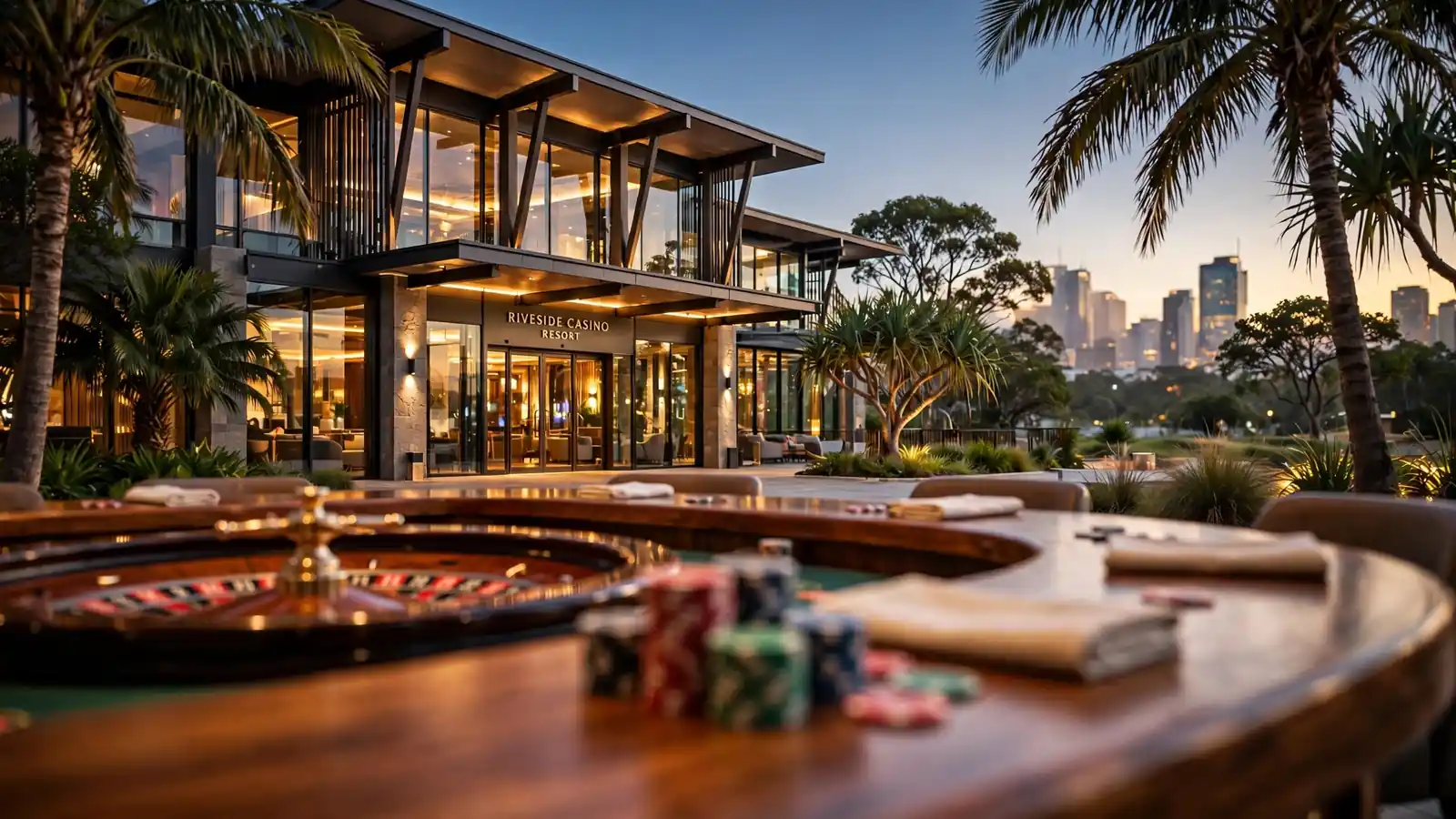
There is also a practical boundary between dining inside a casino and eating in the surrounding city. Search results can blur it by grouping nearby businesses with the venue, even when they are not part of it. Distance, access and the relationship between a restaurant and the casino should be stated plainly, not left to a reader to infer from a map pin or a shared neighbourhood label.
That distinction carries a little social history. Casinos have long sold more than a game: they arrange an evening, where eating can sit beside entertainment and spending. But the language of a destination does not prove that any particular restaurant is operating there today. Branding is not a menu.
For anyone comparing a casino restaurant in Melbourne with other dining options, the useful questions are modest and concrete: Is the restaurant actually inside the venue? Is its current menu published by a responsible source? Are its service hours stated separately? Can a booking be made and confirmed? Until those points are clear, names and promises belong in the category of possibilities, not settled recommendations. A little less glamour. A better dinner plan.
Spa Searches and the Limits of What Is Known
A spa associated with a casino sounds like a neat answer to a familiar city-break wish: entertainment in one place, a quiet room somewhere nearby. But a name in a search result is not evidence that a particular Melbourne casino has a day spa, or that spa treatments are part of its facilities. Without a confirmed venue listing, it is safer to treat the connection as a possibility to verify, not an amenity to plan around.
The distinction matters because “casino spa” can describe several different things: a spa inside a casino complex, an independent business close to one, or simply a page that joins two popular destinations in the same phrase. Those are not interchangeable. A visitor arranging a treatment needs the business name, its location and current booking details from the business itself. A broad label supplies none of them.

The same caution applies to the address. A city name is not a street address, and a venue’s identity should be confirmed before travel plans are built around it. Maps and directory listings can be useful starting points, but a current official venue page is the more sensible place to check the address and any access information. Details copied between listings may outlive the arrangements they once described.
Dress codes are another small piece of practical information that can grow oddly consequential at the door. There is no universal “casino dress code” that can safely be inferred for a Melbourne venue. Requirements may depend on the place being visited and the occasion; an assumption drawn from another city, or from an old account, is not a reliable substitute for current guidance. The rule is mundane. The embarrassment is not.
Searches about bars raise a similar distinction: a casino’s general association with nightlife does not confirm which bars operate at a particular venue, their hours, or their entry conditions. Those specifics belong to the venue’s own current information, rather than to the atmosphere suggested by the word “casino”.
Career information should be treated with the same care. A general venue label cannot confirm that roles are available, what departments are hiring, or how applications are handled. Employment details need to come from an official careers channel, where the employer and the vacancy can be identified.
The larger point is not that a spa, bar, address or dress policy cannot exist. It is that a cluster of familiar terms cannot establish any of them. In hospitality, the small print is often the actual plan.
Food Courts, Pools and What the Search Terms Can’t Confirm
Food courts and restaurants are often folded into one broad idea of “casino food”, but they describe different arrangements. A food court suggests several counters gathered around shared seating, with a choice made at the point of service. A restaurant implies a more defined menu and setting. Neither label can be inferred simply because a venue is called a casino.
That distinction matters in Melbourne, where a request for food on site can mean anything from a quick meal to a sit-down dinner. The words alone do not identify a particular facility. A venue’s own current information is the sensible place to establish what is actually available; an old listing or a general description may preserve an amenity long after its circumstances have changed. Details such as service style and access belong to the specific place, not to the category.
The same caution applies to a pool. It may be imagined as part of a hotel, a leisure complex or a casino resort, but those are not interchangeable descriptions. A pool elsewhere in a nearby property would not, by itself, make it a casino facility. Nor does the word “casino” promise a hotel-style amenity.
There is a small history of expectation in these searches. Large entertainment venues are often pictured as self-contained worlds: meals, recreation and gambling gathered under one roof, the city briefly reduced to a building. Yet a name can carry that picture without proving its details. Useful descriptions separate the venue itself from neighbouring businesses and make clear which facilities are open to which visitors.
So the practical distinction is not between a grand meal and a quick one, or between swimming and not swimming. It is between an amenity specifically identified at the Melbourne venue and one merely assumed from the setting. Assumptions travel easily. Facilities do not.
Are online casino-style games restricted in Australia?
Yes. The Interactive Gambling Act restricts operators based in Australia from offering online casino games such as pokies, blackjack and roulette to people in Australia. Offshore platforms are not regulated under Australian law, although it is technically not illegal for Australian players to use them.
What is the legal age to play pokies in NSW?
You must be at least 18 to play poker machines in NSW.
What does the legal status of offshore online casinos and NSW gambling law say?
Australian-run operators cannot offer online casino games to people in Australia under the Interactive Gambling Act; offshore platforms are in a legal grey area and are not regulated under Australian law. In NSW, poker-machine gambling is restricted to people aged 18 and over, and players must set a loss limit before playing.
What is pokies region blocking?
Region blocking uses a player’s IP address to identify their location and prevent access to games or platforms in excluded countries. Blocked games may not appear in the lobby or may fail to load for players using an Australian IP address.
Published by the Cuntspin Casino team.