Hobart Casino Guide to Poker, Stays and Amenities
 Available in AU
A guide to interpreting poker listings and researching accommodation, dining, parking, events and other venue details.
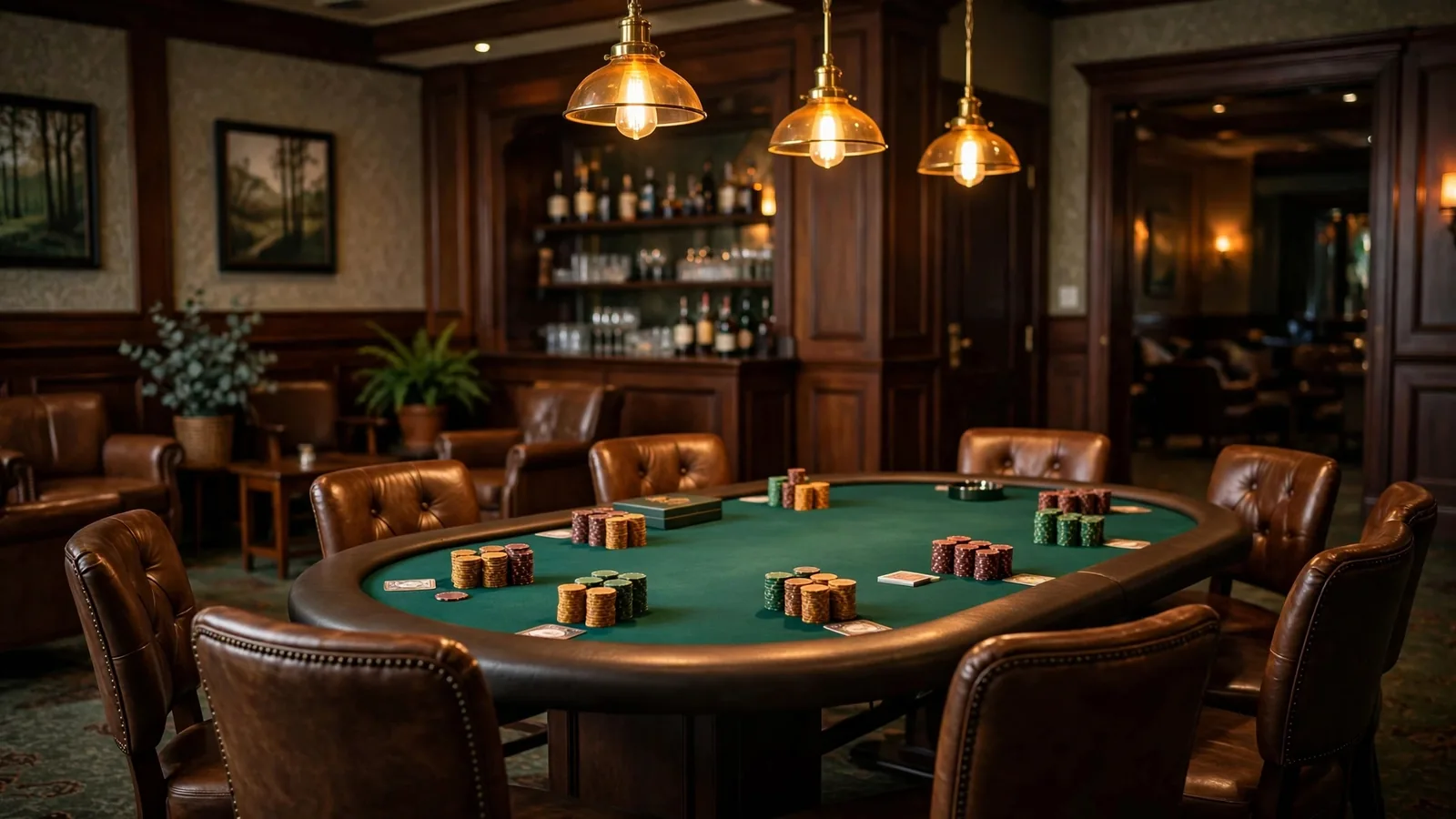
Table of Contents
- Poker at the Venue: Rooms, Tables and Tournaments
- Staying Near the Casino
- Hotel Rooms and the On-Site Stay
- Parking, Bingo and the Meaning of “Online Casino” in Australia
- Finding the Venue: Contact, Bars and Entertainment
- Breakfast, Buffet Searches and Casino Jobs
- Opening Hours, Events and the Casino’s Future
- Spa, Address and Dress-Code Searches
- Restaurants and Dining Around the Casino
- Food Options and Pool Facilities
Poker at the Venue: Rooms, Tables and Tournaments
Poker has a peculiar social architecture. Its table makes strangers sit close, then asks them to conceal what they know and infer what everyone else might be hiding. A dedicated poker room, if one is operating, is not simply another gaming floor: it is a place organised around a shared game, its rules, its pace and the small theatre of decision-making. That distinction matters when a search for poker in Hobart turns up broad references to casino rooms or tables. A room’s name alone cannot establish what is played there.
The practical question is not merely whether poker is mentioned, but what the mention describes. A live cash game and a scheduled tournament are different propositions. A tournament needs a date, format and entry conditions; a reference to poker tables may describe equipment, a past event or a general amenity rather than a game available on a particular day. Current, dated information is the useful kind. A result without a date can preserve the appearance of activity long after the activity itself has changed.
Choosing a casino while in Hobart calls for checking the details that matter to you, such as licensing and available payment information. This list offers a concise reference point for considering the options.
License: Curacao · Payout speed: crypto 30-60 minutes, fiat 1-5 days · Min. deposit: A$10 Wild Tokyo lists a Curacao licence and a minimum deposit of A$10. Its stated payout times are 30–60 minutes for crypto and 1–5 days for fiat.
License: Curacao Golden Pokies lists a Curacao licence. That licensing information is the available basis for considering it.
License: international iGaming licence – jurisdiction not named in the source · Payout speed: PayID 1-24 hours · Min. deposit: A$30 (PayID from A$10) House of Pokies lists an international iGaming licence, though the jurisdiction is not named. Its PayID payout time is 1–24 hours, and the minimum deposit is A$30, or A$10 with PayID.
License: Curacao eGaming (Dama N.V.) JeetCity Casino lists a Curacao eGaming licence held by Dama N.V. This licensing detail is its notable point.
License: Curacao Gaming Control Board JustCasino lists a Curacao Gaming Control Board licence. The available information identifies its licensing, without further operator details.
License: Curacao Gaming Control Board OGL/2023/176/0095 (Hollycorn N.V.) Rollero Casino lists a Curacao Gaming Control Board OGL/2023/176/0095 licence, held by Hollycorn N.V. Its licence reference is a specific detail to check when considering the casino.
License: Curacao (operating since 2017) · Min. deposit: A$20 Uptown Pokies lists a Curacao licence and has been operating since 2017. Its minimum deposit is A$20.
License: Curacao Gaming Authority (Jumpman Gaming Ltd) DragonSlots Casino lists a Curacao Gaming Authority licence held by Jumpman Gaming Ltd. The available information centres on its licensing.
License: Curacao Gaming Control Board OGL/2023/176/0095 (Hollycorn N.V.) Neospin lists a Curacao Gaming Control Board OGL/2023/176/0095 licence held by Hollycorn N.V. Its licence reference is the key detail provided.
Payout speed: crypto under 1 hour, PayID 1-3 business days · Min. deposit: A$20 (A$30 to qualify for the bonus) Ricky Casino lists crypto payouts under 1 hour and PayID payouts in 1–3 business days. The minimum deposit is A$20, or A$30 to qualify for the bonus.
Tournament language can also make an ordinary game sound more settled than it is. A published event schedule gives a clearer account than a general claim that tournaments take place: it identifies the event being offered and when it is due to run. Without that detail, “poker tournament” remains a label, not a programme. Poker rooms are built out of particulars. The cards are the easy part.
There is a wider Australian distinction behind these searches. Live poker at a physical venue and poker played through an online casino are not the same service under the law. The Interactive Gambling Act 2001 prohibits operators from providing online casino-style games, including poker, to people located in Australia. The restriction concerns the operator’s service; it should not be blurred into a claim that an online poker site is a local Hobart venue. Sports wagering has a different legal position, but that does not turn online casino poker into an authorised local offering.
That legal boundary is easy to lose in a list of search results. “Poker in Hobart” may point towards a live table, a tournament notice, an online game, or simply a page using casino language loosely. The word poker travels well; its setting does not. A physical room and an internet lobby may use the same vocabulary while belonging to very different regulatory worlds.
Nor does the presence of a sports bar, a casino label or a general reference to gaming settle the poker question. These are separate descriptions, not proof of one another. A bar can be a bar; a room can be a room; a poker table can be a table without a scheduled game attached to it. Search results often compress distinctions that matter in practice.
The habit of asking whether a venue has poker “now” reflects the nature of live games. Unlike a permanent fixture, a table game depends on an operating schedule and the people gathered to play. A dated listing is more informative than a broad venue description, while an undated page may be historical or merely promotional. The same caution applies to tournament announcements: the existence of a past event is not a continuing calendar.
Poker’s appeal is partly its publicness. Unlike solitary play, it puts skill, chance and composure in view, though the face remains an imperfect document. The room, when there is one, frames that encounter; the tournament gives it a clock and a structure. But a search phrase cannot supply those details, and a casino association cannot fill them in by implication. The distinction is modest, but important: a venue’s identity is not a schedule, and a schedule is not a guarantee that a game is running.
Staying Near the Casino
Accommodation near a casino is a question of geography before it is a question of luxury. A property described as “near” may suit a visitor who plans to travel across town, yet disappoint someone expecting to walk back after an evening out. The label alone does not tell how a stay connects to a venue, what lies between the two, or how practical the route is at the time it will be used.
Do
- Use a map to establish the actual distance
- Confirm the return route and available transport
- Read the total price and terms together
Don’t
- Rely on the label “near” alone
- Assume a casino landmark proves proximity
- Treat a headline price as a final saving
For anyone comparing accommodation around a Hobart casino, the useful distinction is between a stay chosen for its surroundings and a room that belongs to the venue itself. Nearby lodging can mean an independent hotel, apartment or guesthouse; each has its own address, booking conditions and relationship to local transport. A casino name used as a landmark in a listing does not, by itself, establish the distance. The map does that more plainly.
Distance on a screen can also flatten the details that matter on foot. A route may involve a steep street, a poorly lit stretch, a busy crossing or a change in elevation. None of those is captured by a pin placed beside another pin. For an evening visit, the return journey deserves the same attention as the outward one: the route, available transport and the hours at which a traveller expects to move through the city all shape whether a location is genuinely convenient.
The phrase “casino accommodation” can blur several different arrangements. It may describe a room at a casino hotel, a separate property marketed for its proximity, or simply a search category assembled around a destination. Those are not interchangeable. A nearby stay does not acquire venue services by association, and a booking page using casino-related wording is not evidence that the property is operated by the casino.
Promotions require similar care. A lower headline price may depend on dates, cancellation terms, room type or other conditions, while a casino promotion may concern gaming rather than accommodation at all. The shared word “deal” does not make the offers part of one package. Before treating a rate as a saving, the total price and the terms attached to it need to be read together. A bargain with a narrow escape route is still a bargain of sorts.

The location of a venue is the hinge on which all these comparisons turn. Without an exact destination, “close” remains an impression rather than a usable measure. A visitor comparing stays can start with the venue’s confirmed street address, then assess each property against the route they would actually take. That is more reliable than relying on a broad neighbourhood label or a promotional photograph that places the city conveniently out of frame.
The same restraint applies to parking. A property may offer parking, charge for it, or have none; proximity to a casino does not settle the matter. Nor does the phrase “parking nearby” identify a particular facility, its access arrangements or whether spaces are available when needed. Those are separate details to confirm with the accommodation provider or the relevant parking operator, rather than assumptions to build into a reservation.
In the end, a stay “near the casino” is not a single kind of product. It is a relationship between an address, a route and the purpose of the trip. A useful comparison keeps those pieces separate: where the accommodation is, how the journey works, and what the quoted price actually includes. The phrase sounds simple. The map is less sentimental.
Hotel Rooms and the On-Site Stay
A casino hotel is a specific arrangement: the accommodation is operated as part of, or directly associated with, a casino property. A hotel in Hobart and a casino in Hobart would not automatically amount to a casino hotel, nor would a nearby hotel become an on-site stay simply because it appears alongside casino-related results. The distinction matters when a booking is meant to include a room at the venue itself.
To confirm an on-site stay, the property name, operator, and booking destination must align clearly to ensure the hotel is actually operated by the casino.
The status of a casino-operated hotel in Hobart, and the availability of rooms within one, should be treated as unconfirmed unless a named property’s own information establishes both. A listing title is not enough. Before relying on it, the property name, operator and booking destination need to line up: a reservation should clearly identify the hotel where the guest will sleep, rather than use casino wording as a broad location label.
That is especially important when room names and venue names blur together. A hotel may use a casino as a landmark, a search listing may combine businesses in the same area, or a booking platform may group unrelated accommodation under a destination label. None of those conventions, by themselves, proves that a casino runs the hotel or that guests have an on-site connection to gaming facilities. The label does a lot of work; sometimes more than the evidence.
For anyone trying to establish whether a room is genuinely part of a casino property, the useful details are ordinary but decisive: the exact address attached to the reservation, the name of the accommodation provider, and the terms shown at the point of booking. Those details should come from the property or booking provider, not from an assumption created by a page title. If the property cannot be identified clearly, the room should not be described as an on-site casino stay.
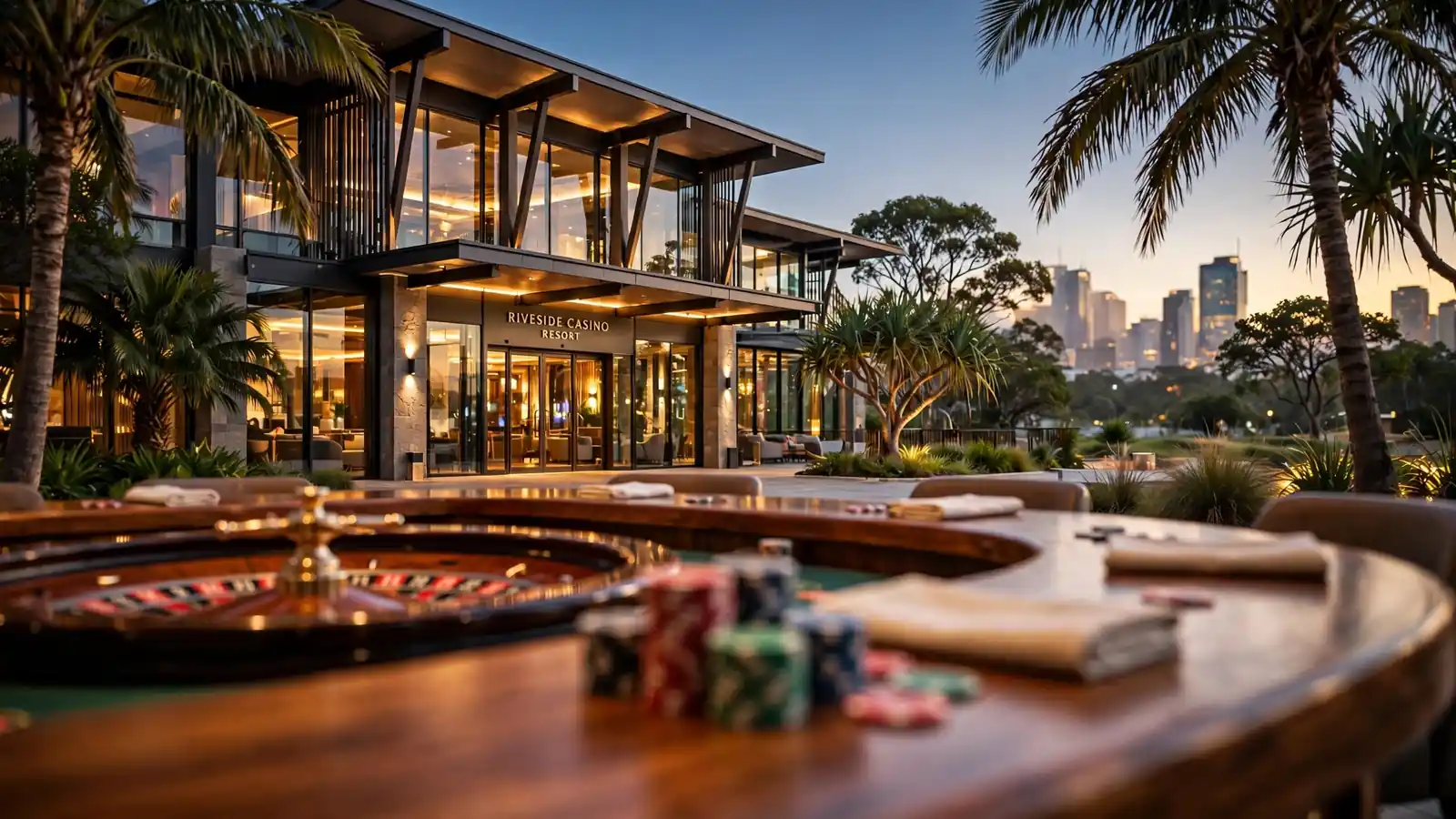
The same care applies to claims about room types, availability and inclusions. A phrase such as “casino hotel rooms” does not establish that rooms are offered, what they are called, or what a stay includes. Availability changes, and room descriptions belong to the property offering them. Without a confirmed hotel and its current booking information, there is no sound basis for naming particular rooms or presenting a Hobart casino stay as bookable.
Opening hours and entertainment are separate questions again. Even where a hotel and casino share a site, a room booking would not, on its own, establish that gaming areas are open at a particular time or that shows are scheduled. Those details require current information from the venue responsible for them. A hotel reservation is not a programme of events.
For now, the careful distinction is between a stay at a confirmed casino-operated hotel and accommodation described as being in Hobart or associated with a casino in a listing. Only the first supports the claim of an on-site stay. Without a clearly identified property and its own booking details, claims about a Hobart casino hotel or its rooms should remain unconfirmed.
Parking, Bingo and the Meaning of “Online Casino” in Australia
Parking and bingo belong to the practical vocabulary of a visit: one concerns how a car is handled, the other whether a particular game is available on site. Neither can be inferred from the word “casino” alone. A search for parking, valet service or free parking does not establish that any of those arrangements exist at a Hobart venue. The same applies to bingo. These are separate services, not automatic features of a casino, and their details need confirmation from the venue itself before they can guide a plan.
Legal Prohibition
Under the Interactive Gambling Act 2001, operators are prohibited from providing real-money online casino games, including pokies, blackjack, and roulette, to people located in Australia.
The distinction matters because “online casino” can sound like a digital extension of a physical address. In Australian law, it is not. The Interactive Gambling Act 2001 prohibits operators from providing real-money online casino games to people located in Australia. That category includes pokies, blackjack and roulette. A Hobart venue’s name, even if used in an online search, does not turn internet gambling into a local service.
Offshore websites raise a different question, but not a reassuring one. Australian players are not criminally liable simply for using such a platform; however, those operators are outside Australia’s regulatory system. That leaves users without the protections and local oversight that regulation is meant to provide. The operator’s location does not alter the prohibition on supplying online casino games to people in Australia.
There is a deliberate asymmetry here. The law places its main obligation on the business supplying the service, while the player may still encounter offshore sites that sit beyond Australian supervision. Technical access should not be mistaken for lawful local provision, endorsement or a dependable route to resolving a dispute. A website can be reachable and still stand outside the protections expected of a regulated Australian service.
This is why “casino in Hobart” and “online casino in Hobart” describe different things, even when the wording differs by only one word. The first points toward a physical venue and its practical arrangements; the second points toward gambling delivered over the internet. Combining them can make the online option seem like an extension of a local visit. It is not.
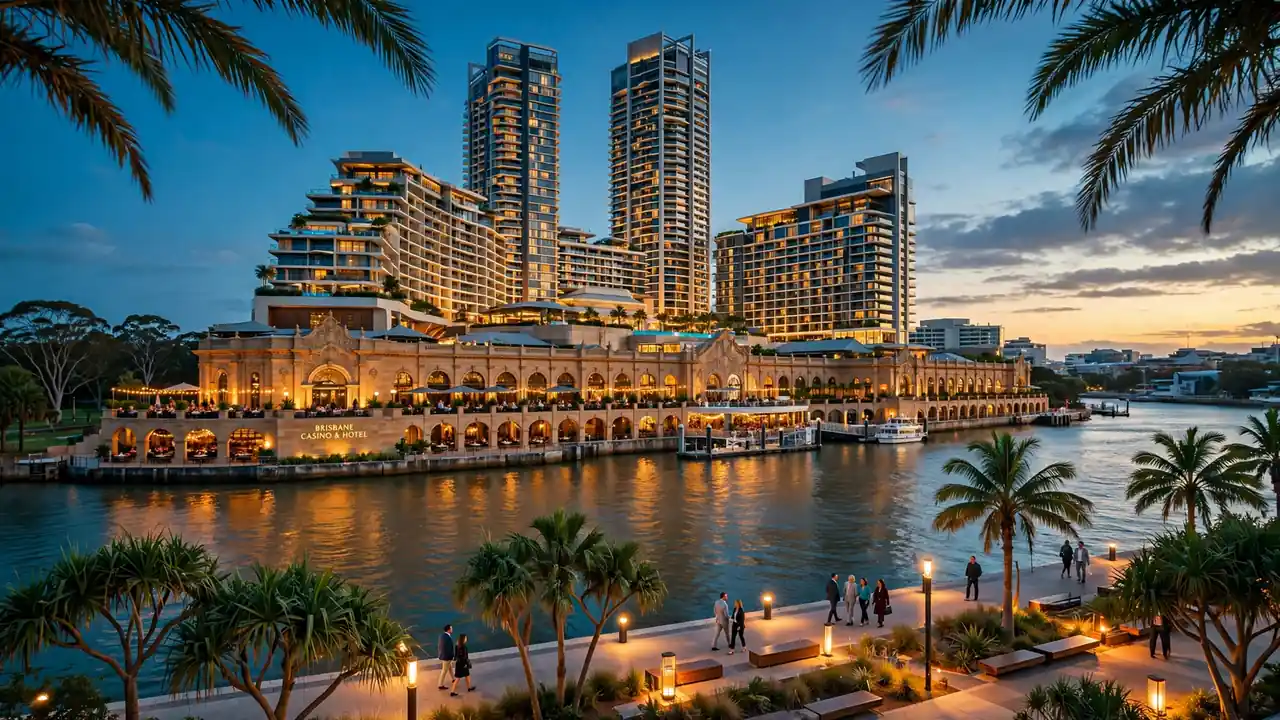
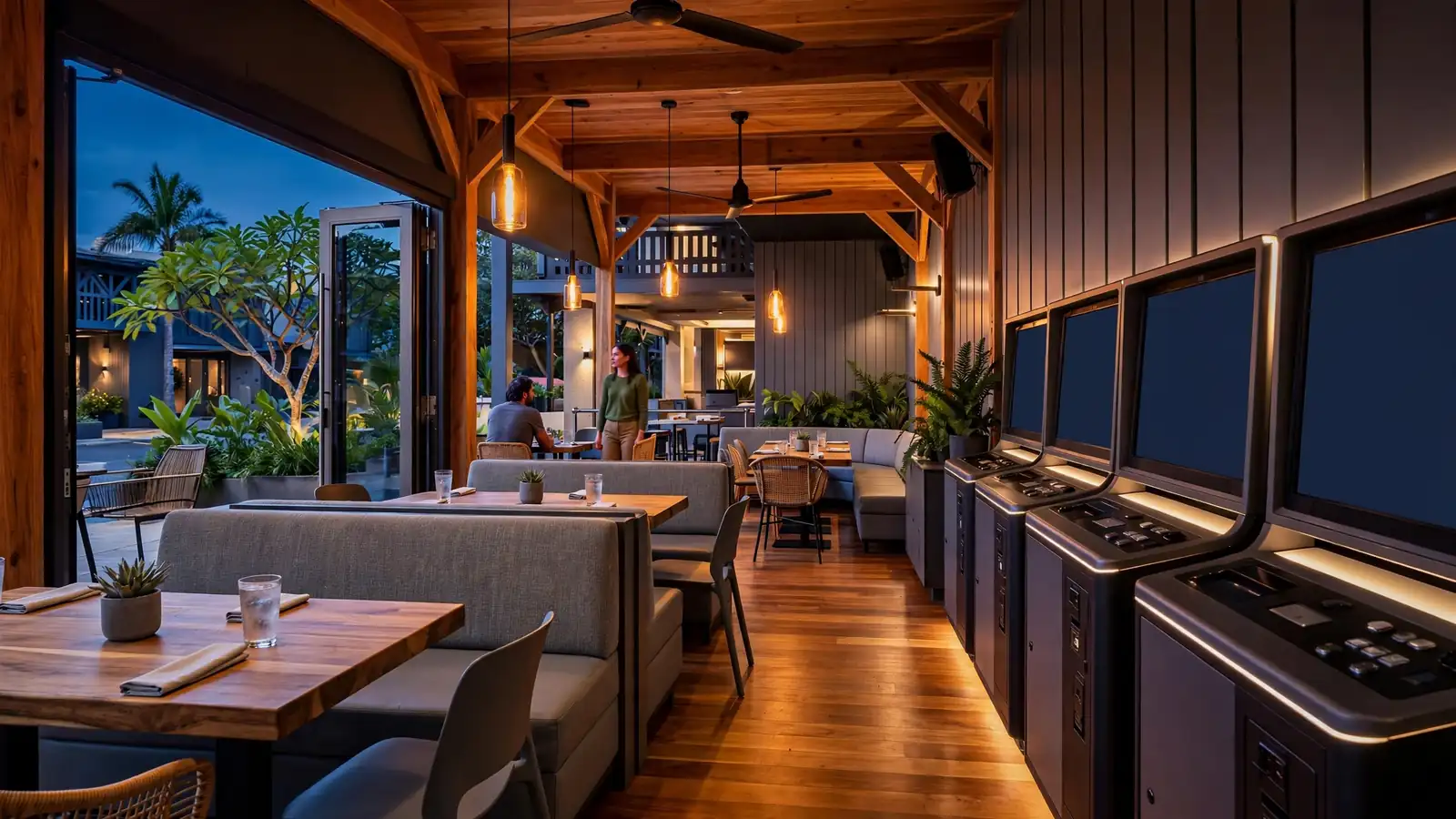
For a planned visit, parking questions should be treated as logistics to settle directly with the venue, rather than as evidence of free spaces or valet service. Bingo likewise needs its own confirmation; it cannot be assumed from casino branding. These are modest distinctions, but they prevent a name from doing more work than it can bear.
The phrase “best casino in Hobart 2026” may invite a single ranking, yet the useful answer depends on what is being compared: an in-person visit, its facilities, or an online gambling service. Australian law draws a firm boundary around the last of these. The boundary is less visible on a search page than on paper. That is precisely why it matters.
Finding the Venue: Contact, Bars and Entertainment
A search for a Hobart casino can begin with a practical need: a telephone number, a map pin, or confirmation that a particular venue is the one being discussed. Those details should be treated as identifiers, not decoration. A name appearing in an old directory or copied listing is not enough to establish that its address or contact number is current. Venue information is most useful when the name, location and contact details agree across the operator’s own channels and a reliable map listing.
That small act of verification matters in a city where a search phrase can make a destination sound more definite than the available information warrants. “Casino” may describe a venue, an online service, or simply the subject of a directory entry. A map result should therefore be matched to an identifiable operator before it is used to plan a visit. A phone number should likewise be tied to that same venue, rather than accepted because it appears beside familiar words.
Attention: A venue’s general entertainment reputation or a copied online calendar does not confirm a current programme of concerts or events.
The same caution applies to a bar advertised under a casino name. A bar is a separate service from gaming, and a venue label alone cannot establish that one operates on site, what it serves, or when it is open. The distinction is ordinary, but useful: a nearby bar may share a neighbourhood or a search result with a casino without being part of it. Dining information is another question, best kept separate from the narrower issue of whether a bar exists.
Concert listings require their own kind of checking. A venue’s general entertainment reputation, if repeated online, does not confirm a current programme. A dated listing can outlive the event it once described; a copied calendar can travel further than the original announcement. For a specific performance, the essential details are the event’s date, venue and ticketing source, all consistent with one another. Without those, “concerts at the casino” remains a category of information, not a confirmed calendar.
Baccarat and craps are table games, but a search for either does not establish that they are offered at a Hobart venue. Nor does an online game listing prove anything about a physical gaming floor. In Australia, the Interactive Gambling Act 2001 prohibits operators from providing real-money online casino games, including table games, to people located in the country. That legal distinction matters: a page about an online game is not evidence of an in-person table, and should not be read as an invitation to play online.
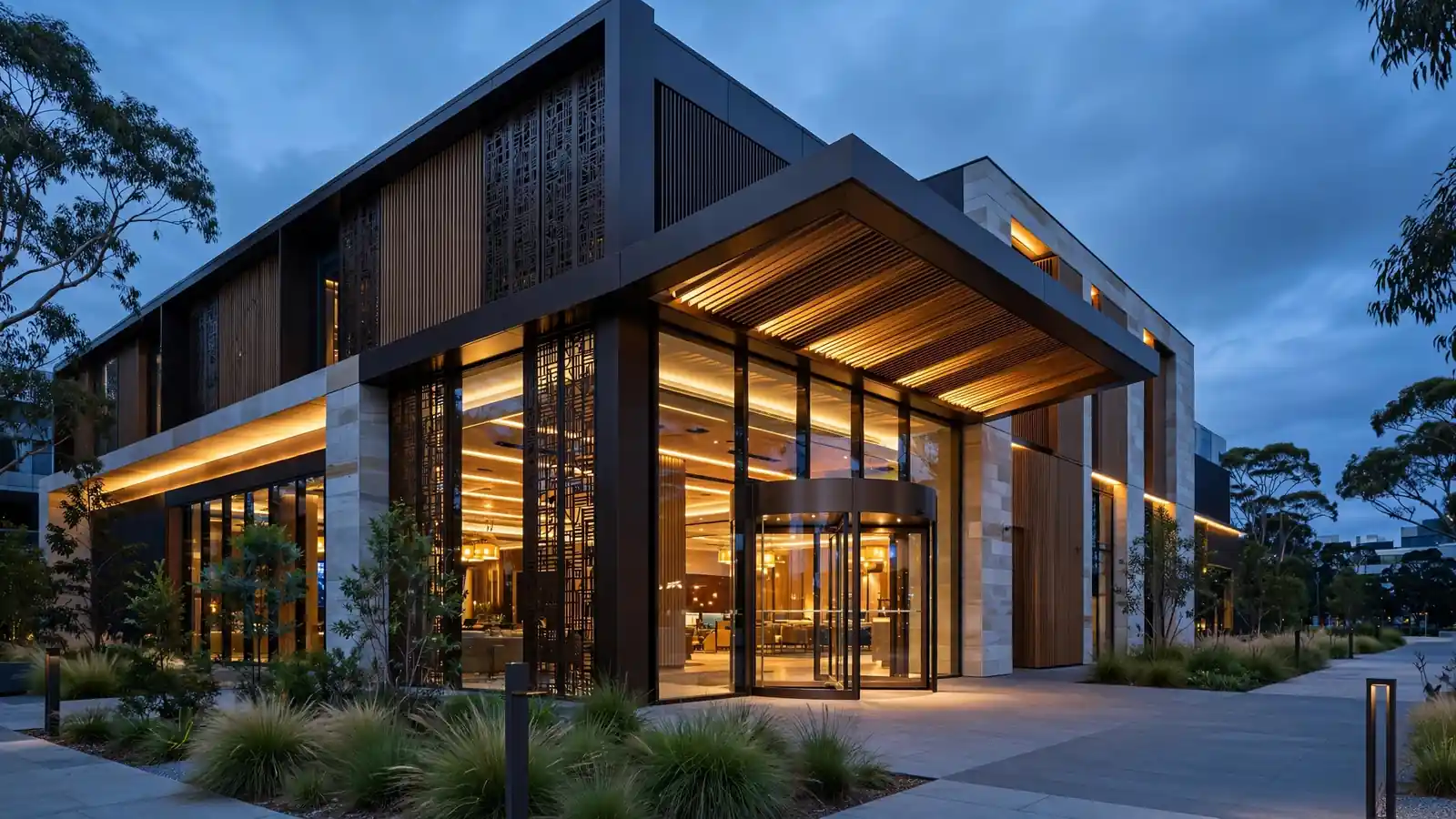
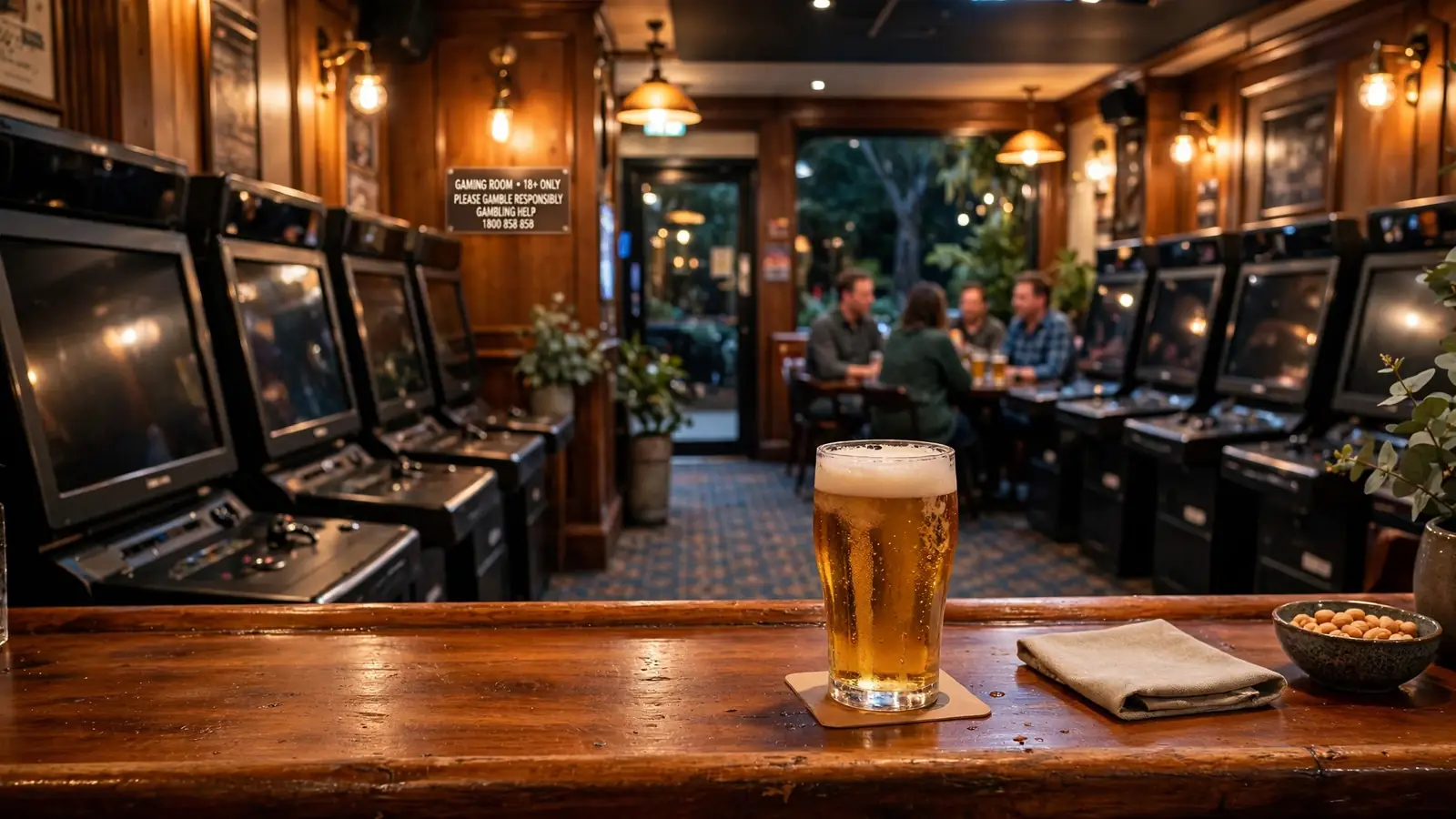
A map can help connect a venue name to a place; it cannot confirm a bar, concert or table game. Contact details can resolve a specific uncertainty, but only when they are clearly published by the venue itself. The neatness of a search result is no guarantee of the life behind it. The address still has to belong to somewhere.
Breakfast, Buffet Searches and Casino Jobs
Breakfast and buffet searches belong to the language of hospitality, but they do not establish that either service is available at a casino in Hobart. A breakfast listing might refer to a hotel, a café, or a venue’s own dining operation; “buffet” describes a style of service, not proof of a particular menu or opening arrangement. Without confirmed venue details, neither a breakfast offering nor a buffet can responsibly be presented as part of a Hobart casino visit.
The word “resort” adds another layer of expectation. It can suggest a single destination combining accommodation, dining and leisure, yet the label alone does not establish which facilities exist, or whether a casino and resort share an operator. Search results may gather information about separate businesses under one broad phrase. The distinction matters: a guest planning a morning meal needs a current service listing, while someone comparing resorts is looking for a wider package of facilities.
Food searches also carry a quiet assumption that a casino visit begins with a meal on site. That may be true at some venues, but it cannot be inferred from the word “casino” or from a buffet-related phrase. The sensible test is specific confirmation from the venue: whether breakfast is served, where it is served, and whether the buffet format applies. In the absence of that confirmation, a menu should not be imagined into existence.
Employment and Rewards
Job searches should not be mistaken for current vacancies; a live role requires an identifiable employer and current listing. Similarly, rewards programmes are not automatic features and require confirmation of eligibility and benefits from the operator.
Employment searches ask a different question altogether. Someone looking for casino work in Hobart is not necessarily seeking information about a particular vacancy; they may be trying to identify an employer, a recruitment channel or the kinds of roles associated with casino operations. Those possibilities should not be turned into claims that jobs are currently available. A live vacancy needs an identifiable employer and a current listing, not merely a location paired with the word “jobs.”
The same caution applies to rewards searches. A rewards programme is a specific arrangement, not an automatic feature of a casino or resort. Its existence, eligibility rules and benefits require confirmation from the operator. A search phrase cannot establish that a Hobart venue has a membership scheme, much less what it offers.
These distinctions are useful because hospitality, employment and customer benefits are often bundled together in casual descriptions of a destination. In practice, each requires its own evidence. A breakfast service is not a job listing; a resort label is not proof of a casino; a rewards phrase is not proof of a programme. The vocabulary promises a complete package. The details have to earn it.
Opening Hours, Events and the Casino’s Future
Opening hours and reopening notices are claims about a particular place at a particular time. They need a current statement from the operator or another responsible authority; a result that repeats an old schedule cannot establish whether a venue is open today. The distinction matters in Hobart, where a name in a headline or directory is not itself evidence of present operations.
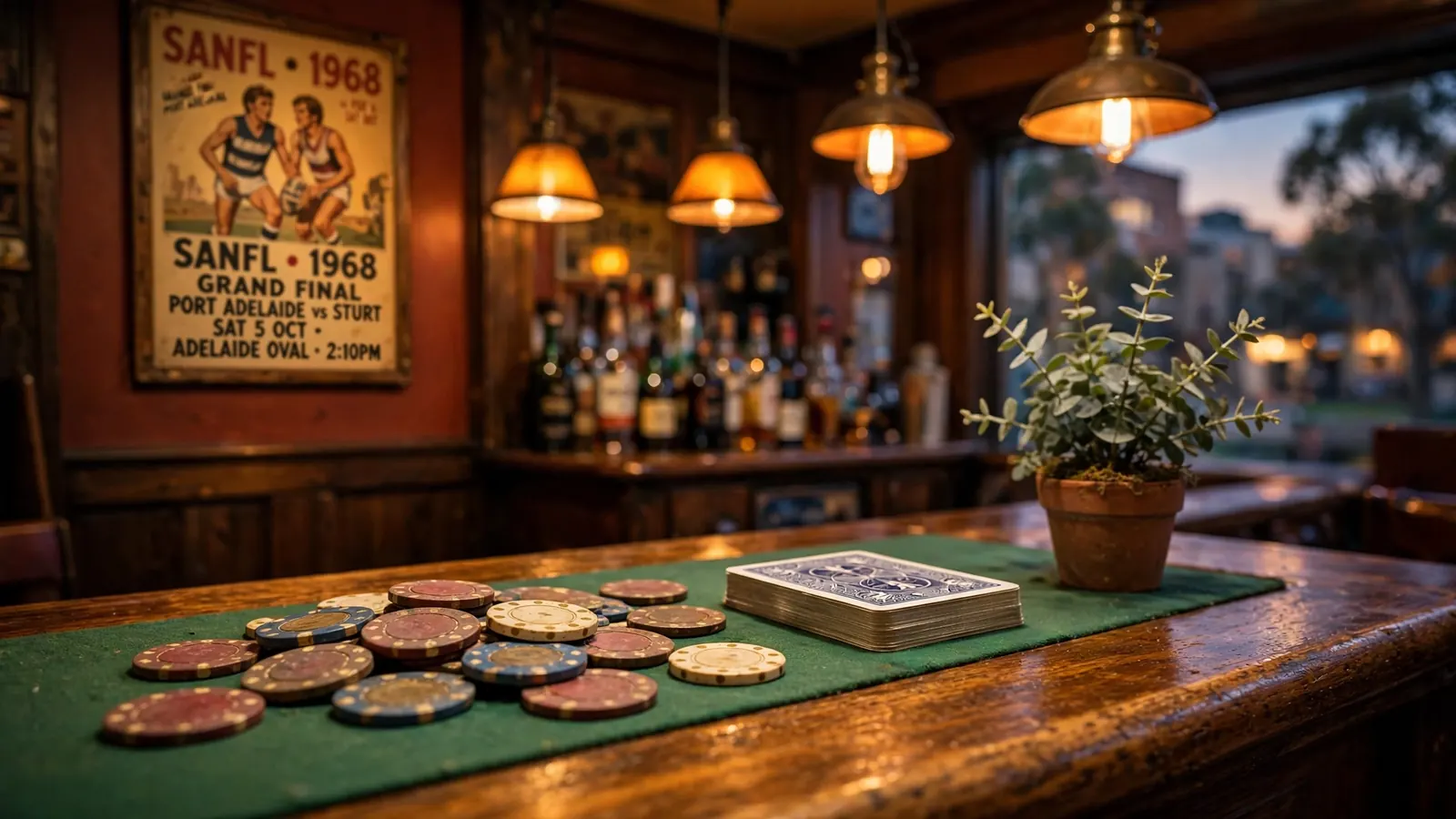
The same caution applies to event listings. A concert announcement, seasonal programme or one-off function can age quickly, while copied listings can remain visible after the event has passed. A useful notice identifies the organiser, the date and whether the event is confirmed. Without those details, “coming soon” is less a calendar entry than a mood.
Development claims require a different kind of evidence. A proposal, planning process, construction announcement and completed project are not interchangeable stages. Reports about a possible casino development should make clear which stage is being described and who has made the announcement. Otherwise, the future tense can do too much work: it turns intention into apparent fact.
A review has its own limits. It may describe a visitor’s experience at a particular time, but it cannot guarantee current opening hours, future events or a project’s eventual outcome. Nor does a menu reference establish that a dining service is operating now; that belongs to the separate question of what food is available. The useful distinction is between an account of what happened and reliable information about what is happening.
The word “open” can also point to two different subjects: a physical venue and online gambling. They should not be treated as substitutes. Under the Interactive Gambling Act 2001, operators must not provide real-money online casino games, including pokies, poker and table games, to people in Australia. Offshore websites do not become locally regulated merely because they can be reached online. A venue’s status and the legality of online casino services are separate matters.
That separation reflects a broader Australian choice about gambling: access is not treated as a simple question of whether a service can be found. The law places responsibility on operators, and a digital doorway does not erase that boundary. Digital presence is not local permission.
Main Conclusions
- Opening hours and event status require dated announcements from the responsible operator.
- Development claims must specify the current stage of the process to avoid confusing intention with fact.
- Digital access to offshore gambling sites does not equate to local legal permission or regulation.
For anyone assessing a claim about a Hobart venue’s present or future, the strongest evidence is a dated announcement from the body responsible for it, with the status stated plainly. An old review may preserve atmosphere; it cannot serve as an opening notice. A development headline may describe ambition; it cannot stand in for a decision. Clear dates, named responsibility and precise wording are not bureaucratic decoration. They are the difference between a plan and a place that is actually operating.
Spa, Address and Dress-Code Searches
A spa associated with a casino can mean several different things: a treatment facility inside a venue, a separate day spa nearby, or a package that combines leisure activities. Those are not interchangeable arrangements. A name appearing beside a casino in a directory or travel listing does not, by itself, establish that the spa is operated by the venue or included with a stay. The distinction matters before making plans around a treatment, appointment or facility.
The same care applies to an address. “Hobart casino” may refer to a particular venue, a business listing, or a broader area someone has in mind. A map pin is useful for orientation, but it is not a substitute for an address confirmed by the venue itself. Listings can be incomplete or out of date, and similar labels can point to different businesses. For a visit, the exact venue name and its own published location are the essential details; assumptions drawn from a search result can send a person to the wrong door.
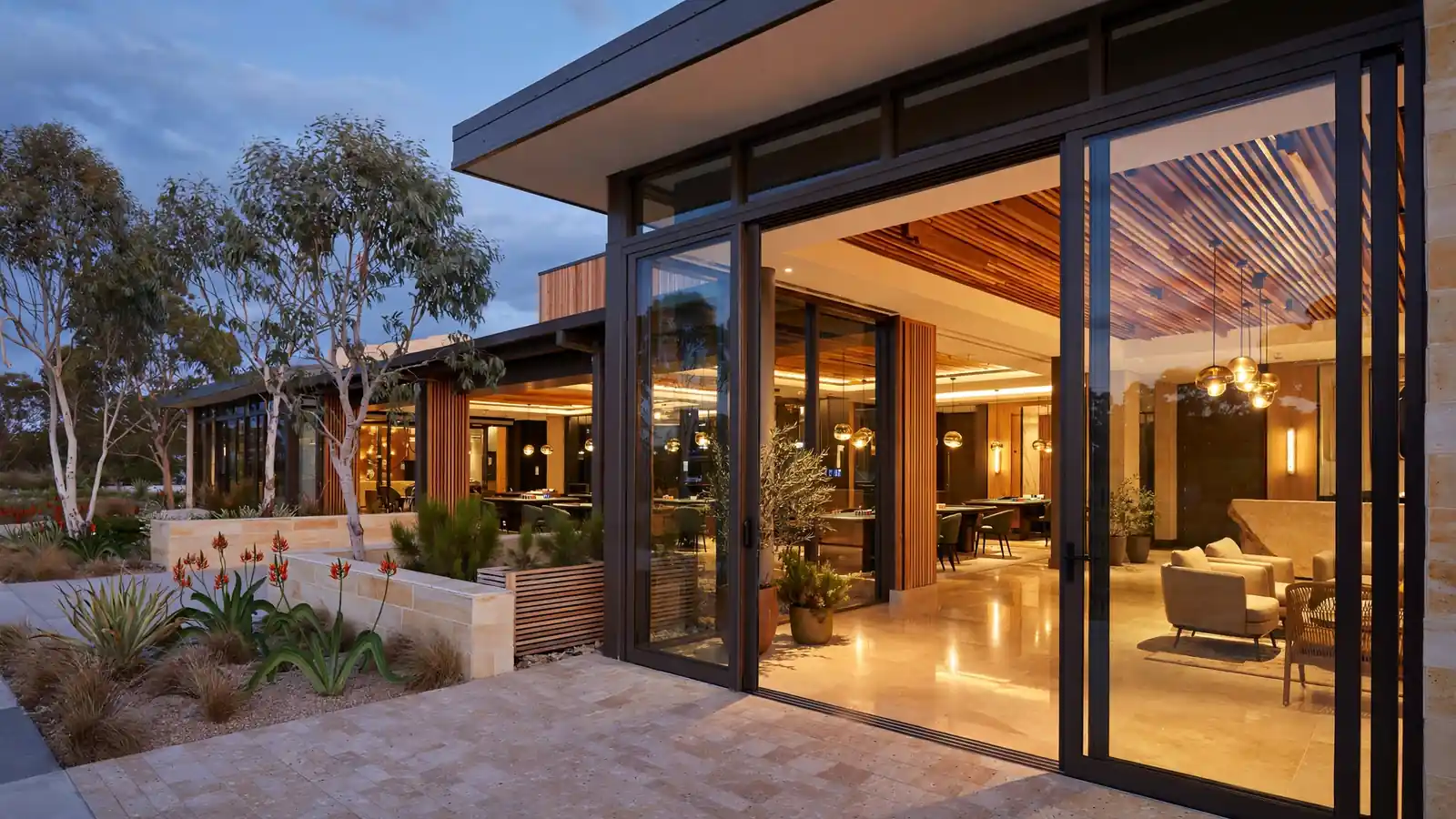
Dress-code information is equally specific to the place and occasion. A general idea of what people wear at casinos cannot establish a rule for a particular Hobart venue, bar or event. Policies may differ between areas, and an event may have its own requirements. Where a dress code matters, the relevant information is the venue’s current policy for the intended destination, rather than a custom borrowed from another casino. Social convention is not a posted rule.
These distinctions help separate a building’s confirmed services from nearby businesses and from general expectations. A spa listing is not proof of an on-site amenity; a location pin is not necessarily the venue’s official address; and customary attire is not evidence of a formal dress code. Each detail belongs to a different kind of confirmation.
This is a small but revealing feature of leisure searches. The word “casino” gathers a whole imagined itinerary around itself: a place to arrive, somewhere to unwind, perhaps a particular standard of dress. Search results readily arrange those ideas into one picture. The picture may be tidier than the underlying information.
For anyone comparing what a Hobart casino might offer, the useful test is whether each detail is stated by the venue and clearly attached to it. Spa services, location and dress expectations should be treated as separate questions, not inferred from one another. That keeps an attractive possibility from being mistaken for a confirmed facility or rule.
Restaurants and Dining Around the Casino
A restaurant described as part of a casino and a restaurant near one belong to different kinds of claim. The first suggests a direct connection: the dining room is inside the venue or operated as one of its services. The second describes geography, not ownership, access or affiliation. In casual conversation the distinction can blur; in practical planning, it matters.
Restaurants located inside the venue or operated as one of its direct services.
Independent businesses located in the vicinity, using the casino as a geographic landmark.
Specific offerings like rooftop bars, which provide a particular setting but may not serve full meals.
The phrase “casino dining” can also gather several separate things under one convenient roof: a formal restaurant, a bar serving food, a café, or a dining room with a particular view. None of those labels is interchangeable. A rooftop bar, for instance, says something about a bar’s setting, not whether it serves a full meal, belongs to a casino, or is open to the public. The word “rooftop” does a great deal of atmospheric work.
That is why descriptions of a Hobart casino restaurant need to be read for the relationship they actually establish. “At the casino” implies an on-site service; “near the casino” may refer to an independent business elsewhere in the area. A listing that uses “casino” as a point of reference does not, by itself, prove that the venue operates the restaurant. Nor does a general mention of restaurants establish a menu, booking arrangement or dining style.
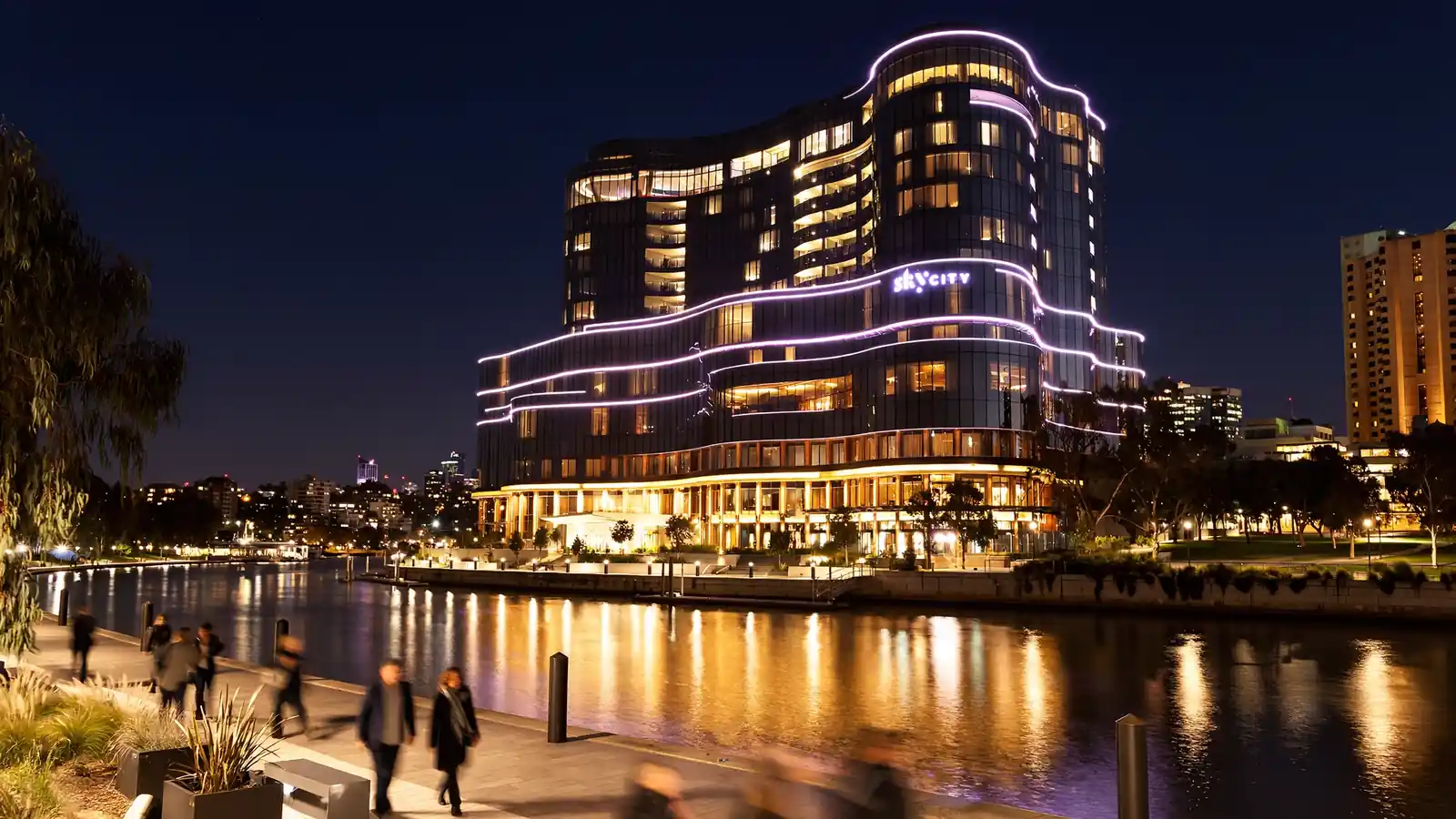
The distinction has a small social history. Casinos often gather different forms of leisure into one address, making dining seem like a natural extension of gaming. Yet restaurants remain businesses with their own identities, hours and terms of entry. A shared location can make them feel like one institution without making them one. The architecture may encourage that impression; the details decide whether it is true.
For a meal planned around a casino visit, the useful questions are therefore quite plain: is the restaurant inside the venue or merely nearby; is it a restaurant rather than a bar; and does the description identify the business itself rather than relying on the casino as a landmark? These are not niceties. They separate an actual dining option from a phrase that only sounds like one.
A rooftop bar belongs in the same careful category. It may be a venue feature, an independent destination, or simply a search phrase linking a city and a type of place. Without a clear connection, the phrase should not be mistaken for a confirmed casino amenity. Dining is best understood through the business named and the service described, not through proximity doing the work of proof.
That is less glamorous than a view from above. It is also more useful.
Food Options and Pool Facilities
Food and swimming facilities belong to a different idea of a casino from the gaming floor: one treats the venue as a place to spend an evening, the other as a resort. The words are often joined in people’s minds, but one does not establish the other. A venue’s name, or the fact that it is associated with gambling, says nothing by itself about whether meals are served or a pool is available.
That distinction matters when assessing claims about food at a Hobart casino. “Food” might mean a meal service, a casual counter or simply a place to eat nearby; a food court is more specific still. Those are not interchangeable descriptions. Nor does the presence of food, if established, imply a pool. Each amenity needs its own clear description, rather than being folded into a general picture of a casino resort.
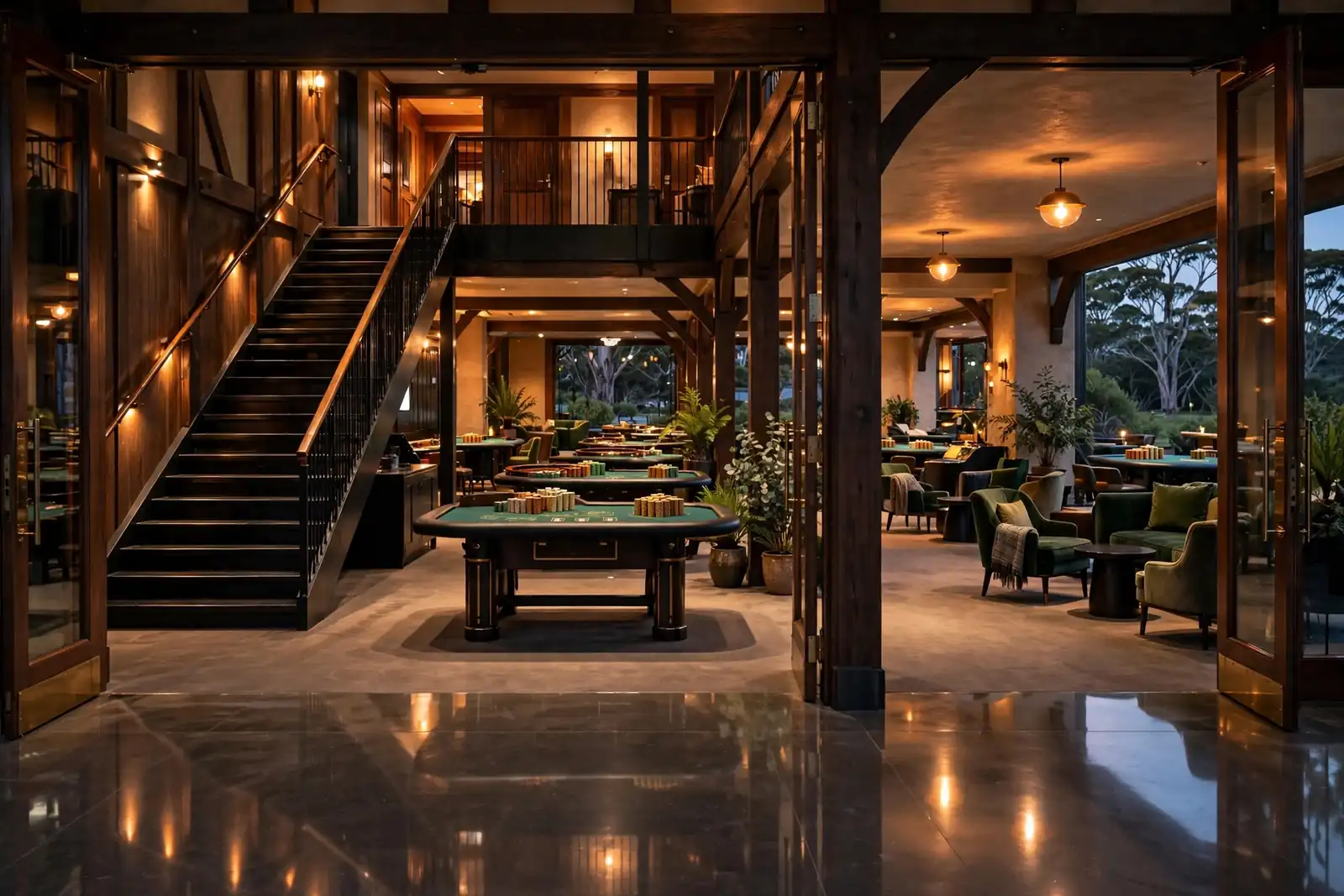
The same caution applies to pool references. A pool may be an on-site facility, part of a hotel, or an unrelated nearby amenity. Without a clear connection to the venue, the shared word “casino” does not settle the matter. The distinction is mundane, but useful.
A practical account of a Hobart venue’s food options would identify what kind of service is offered and where it is located. A reliable account of pool facilities would specify whether the pool belongs to the casino itself or to another property. In the absence of such particulars, neither a food court nor a pool should be treated as part of the experience by implication.
That is a small correction to the resort image often attached to casinos. A gaming venue may suggest an entire evening under one roof; suggestion is not an amenity. Each facility stands or falls on its own description.
Are online casino-style games restricted in Australia?
Yes. The Interactive Gambling Act prohibits operators based in Australia from offering online casino games such as pokies, blackjack and roulette to people in Australia. Offshore services are not regulated under Australian law, even though it is technically not illegal for Australian players to use them.
What is pokies region blocking?
It is a restriction that prevents players in certain locations from accessing particular games. Casinos or game providers can use a player’s IP address to determine their location; a blocked game may not appear in the lobby or may fail to load.
How do NSW pokies regulators monitor player protection?
NSW requires players to set a loss limit before playing poker machines through mandatory pre-commitment systems.
Prepared by the Cuntspin Casino editorial staff.