Casino Hotels in Queensland: Rooms and Visit Details
 Available in AU
Room details, hotel links, dining and venue facilities all help clarify what a casino stay or visit involves.
Table of Contents
- A Casino Stay: What the Hotel Search Needs to Establish
- Poker Rooms and Tournament Details
- Breakfast, Buffets and Casino Rewards
- Parking, Bingo and the Online-Casino Question
- Accommodation Beyond the Casino Hotel
- Finding Contact and Venue Information
- Opening, Events and the Queensland Casino’s Public Role
- Spa, Dress Code and Other Visit Details
- Restaurants and Dining at the Venue
- Food Options and Pool Facilities
A Casino Stay: What the Hotel Search Needs to Establish
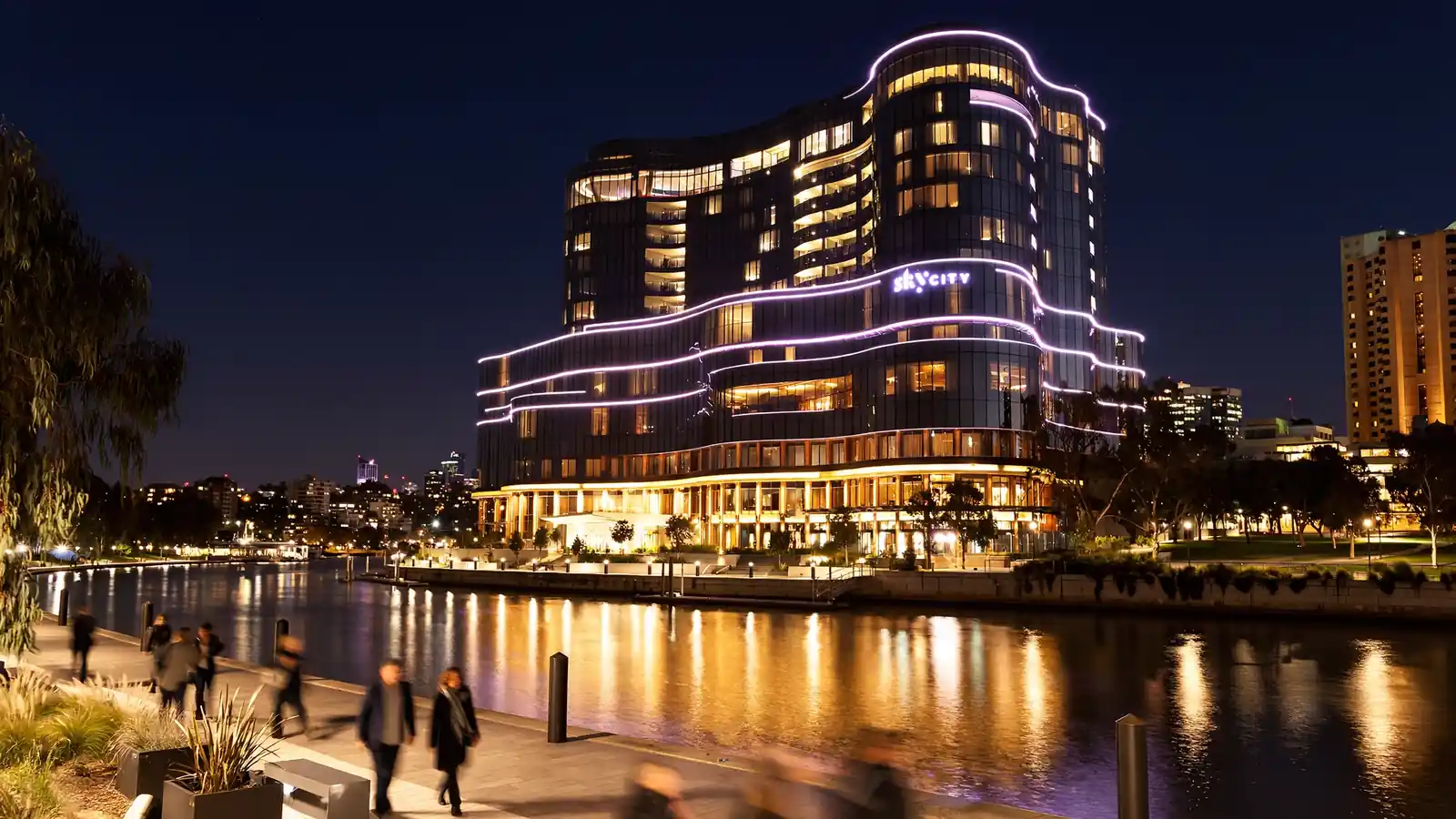
A casino hotel listing has two jobs that are easily blurred together: describe the accommodation and explain what, if anything, connects it to the casino. A name that places “casino” beside “hotel” does not settle whether rooms are in the same building, on the same grounds or simply marketed in association with a venue. The distinction affects the shape of a stay, so the property description should make it plain rather than leave it to implication.
Room information is the first test. A useful listing identifies the room categories actually available and describes the differences between them: bed arrangements, occupancy, layout and any features included in the room. Photographs should correspond to the stated category, not merely show an attractive example from somewhere in the property. If views, balconies or other features vary by room, that variation belongs in the description. Otherwise, a guest may book a category and arrive expecting the photograph.
The small print matters just as much as the room itself. A hotel deal should say what is included in the advertised rate and what is not, whether the price depends on particular dates, and what conditions apply to changing or cancelling a booking. Taxes, fees and any required deposit should be visible before a reservation is confirmed. If a package is described as a casino-hotel offer, its connection to the venue should be stated precisely: a room rate, an added service or a separate benefit are not interchangeable things.
Choosing an online casino for Queensland means weighing the details that are available before deciding where to play. This list provides a concise reference to each operator’s stated licensing and payment information.
License: Curacao · Payout speed: crypto 30-60 minutes, fiat 1-5 days · Min. deposit: A$10 Wild Tokyo lists a A$10 minimum deposit and payout estimates of 30–60 minutes for crypto and 1–5 days for fiat. Its stated licence is from Curacao.
License: Curacao Golden Pokies lists a Curacao licence; no further operator details are provided here.
License: international iGaming licence – jurisdiction not named in the source · Payout speed: PayID 1-24 hours · Min. deposit: A$30 (PayID from A$10) House of Pokies states that it holds an international iGaming licence, but the jurisdiction is not named. Its PayID payout estimate is 1–24 hours, with a A$30 minimum deposit or A$10 when depositing by PayID.
License: Curacao eGaming (Dama N.V.) JeetCity Casino lists a Curacao eGaming licence held by Dama N.V.; no other operator details are provided here.
License: Curacao Gaming Control Board JustCasino lists a Curacao Gaming Control Board licence; no further operator details are provided here.
License: Curacao Gaming Control Board OGL/2023/176/0095 (Hollycorn N.V.) Rollero Casino lists Curacao Gaming Control Board licence OGL/2023/176/0095, held by Hollycorn N.V.
License: Curacao (operating since 2017) · Min. deposit: A$20 Uptown Pokies states that it has operated since 2017 and lists a A$20 minimum deposit. Its stated licence is from Curacao.
License: Curacao Gaming Authority (Jumpman Gaming Ltd) DragonSlots Casino lists a Curacao Gaming Authority licence held by Jumpman Gaming Ltd.
License: Curacao Gaming Control Board OGL/2023/176/0095 (Hollycorn N.V.) Neospin lists Curacao Gaming Control Board licence OGL/2023/176/0095, held by Hollycorn N.V.
Payout speed: crypto under 1 hour, PayID 1-3 business days · Min. deposit: A$20 (A$30 to qualify for the bonus) Ricky Casino lists crypto payouts in under an hour and PayID payouts in 1–3 business days. The minimum deposit is A$20, or A$30 to qualify for the bonus.
“Deal” is an elastic word in hospitality. It can mean a lower room rate, a bundled extra or simply a label attached to a booking. The label does not explain the value. Clear terms do. A listing that gives the ordinary rate alongside the conditions of a special offer allows the comparison to be made without guessing; one that foregrounds a headline price while postponing its restrictions makes the bargain difficult to assess.
Location language deserves similar care. “At the casino,” “near the casino” and “in the same precinct” suggest different arrangements. A hotel may be associated with a casino without being joined to it, and a nearby property may require a separate journey. A map can help establish the distance, but the written description should also make the relationship understandable. For a stay planned around a venue, a few words of precision are more useful than a grand name.
Hours are another detail that can become muddled. Hotel reception or check-in arrangements are not the same as the operating hours of a casino floor. A listing should distinguish the services available to hotel guests from the hours of the venue itself, and dated information should be checked close to the intended stay. A room reservation does not establish that every part of the wider venue will be open at the same time.
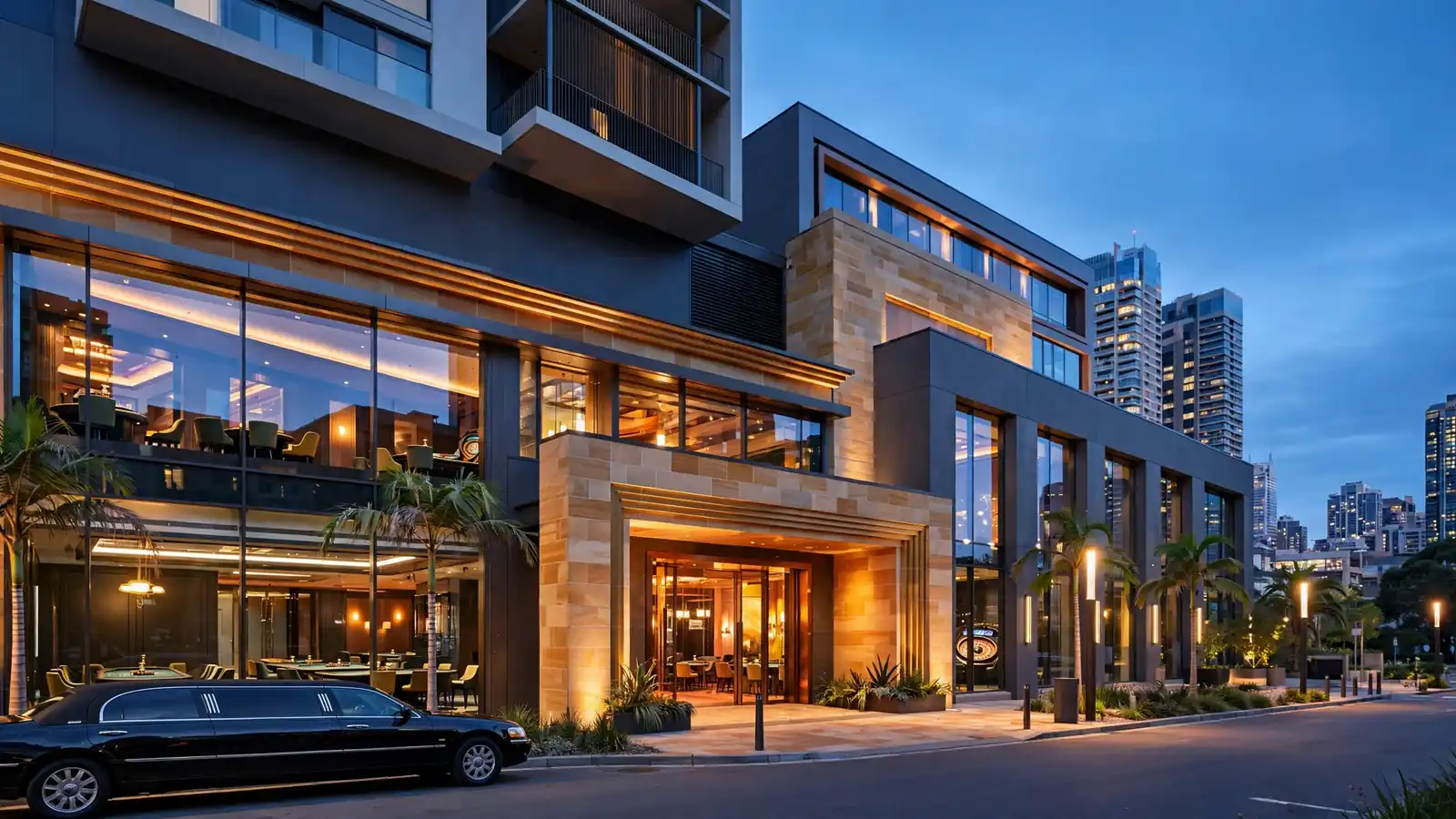
The practical standard for comparing Queensland casino hotels is therefore not a promise of glamour but a set of verifiable particulars: what room is being booked, what the quoted rate covers, which restrictions shape the deal, and how the hotel relates physically to the casino. Those details allow a listing to serve as more than a name in a booking result. Without them, “casino hotel” remains a category, not a clear account of the stay.
Poker Rooms and Tournament Details
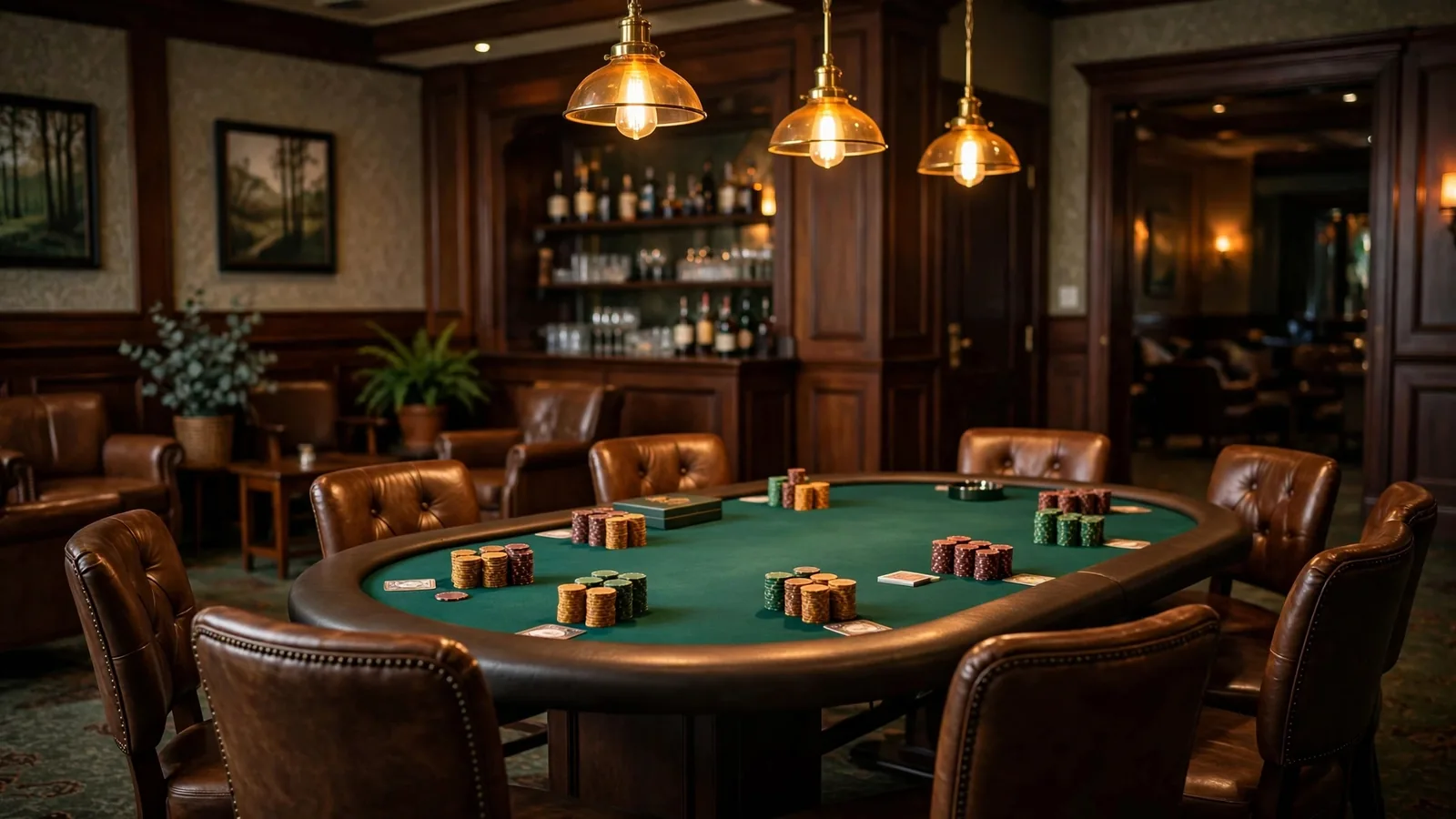
A search for poker at a Queensland casino is really a request for a particular room, on a particular date, with enough detail to decide whether a visit is worthwhile. The word “poker” alone does not establish that a venue has a dedicated poker room, that cash games are running, or that a tournament is scheduled. Those are separate claims, and each needs current, venue-specific confirmation.
A useful poker-room listing would identify the room by name and location within the venue, then say what kind of play it offers. It would distinguish cash games from scheduled tournaments rather than allowing the broad label “poker” to carry both meanings. If a tournament is advertised, its format, registration arrangements, start time and entry conditions would need to be stated clearly. A date without those practical details is little more than an invitation to arrive and find out.
Attention: Tournament information has a short shelf life and schedules can change; always verify if a listed event is still current, postponed, or cancelled.
That distinction matters because tournament information has a short shelf life. A programme can change; a listed event can be postponed, filled or cancelled. The date attached to an announcement, and whether it is still current, therefore matter as much as the tournament name. The same applies to a room’s operating schedule: a casino’s general hours would not, by themselves, establish when poker is available.
Poker rooms also have their own small geography. A listing should make clear whether the room is inside the casino, how it is identified on the venue’s own map, and whether access or registration is subject to conditions. Those details are not decoration. They separate a usable listing from a bare mention, especially for someone arriving for a specific event rather than a general night out.
The request for Queensland casino rooms can mean two different things: accommodation rooms or gaming rooms. In a poker context, the relevant meaning is the space where games take place, not hotel inventory. Keeping those meanings apart avoids the odd result of a room search leading to a room with a bed when the question was about a table. The hotel side belongs to a different kind of listing.
A sports bar is another distinct venue feature. Its presence cannot be inferred from a poker room, nor does the phrase “casino sports bar” establish what is shown there or when. A listing that includes one would need to identify the bar as part of the venue and provide current details about its service and programme. Sports viewing and poker may share a building; they are not the same offering.
The phrases “open today” and “open now” are especially dependent on timing. A venue’s general opening status does not confirm that its poker room or sports bar is operating at that moment. Nor does a tournament calendar guarantee that registration remains open. For a same-day visit, the relevant information is the status of the specific room or event, checked close to the intended arrival. That is the difference between a venue being open and the desired activity being available.
A careful Queensland poker listing would therefore connect the room, the game and the date, rather than relying on a casino’s name to imply all three. It would make clear what is scheduled, what is currently running, and which practical conditions apply. Without those particulars, claims about poker rooms or tournaments should not be treated as settled venue information. A name is not a schedule.
Breakfast, Buffets and Casino Rewards
Breakfast at a casino resort sits at the meeting point of two kinds of promise. The hotel sells a morning meal as part of a stay; the gaming venue may present dining as one feature of a wider visit. Those arrangements can overlap, but the word “included” needs a precise object. It might refer to a room rate, a package, a particular guest category or a reward offer. Without that context, a breakfast claim is little more than a pleasant noun attached to a price.
A useful breakfast listing would identify where the meal is served, the days and service hours, whether it is included in the room rate, and what conditions apply. It would also distinguish a buffet breakfast from a set menu or a limited selection. These details matter to different travellers for different reasons: an early departure makes service hours decisive, while a family comparing room packages needs to know whether the quoted offer covers everyone in the booking. The language should leave no doubt about what is part of the deal and what is an additional purchase.
“Buffet” has its own small theatre of abundance. It suggests choice and self-service, but says little about the actual arrangement. A clear description would state whether the buffet operates at breakfast or another meal, whether service is seasonal or limited to particular dates, and whether access requires a separate booking or payment. It would explain any age-based or guest-based conditions without relying on a photograph of laden plates to do the work. A buffet can be a practical way to feed a group; it is not, by itself, evidence of value.
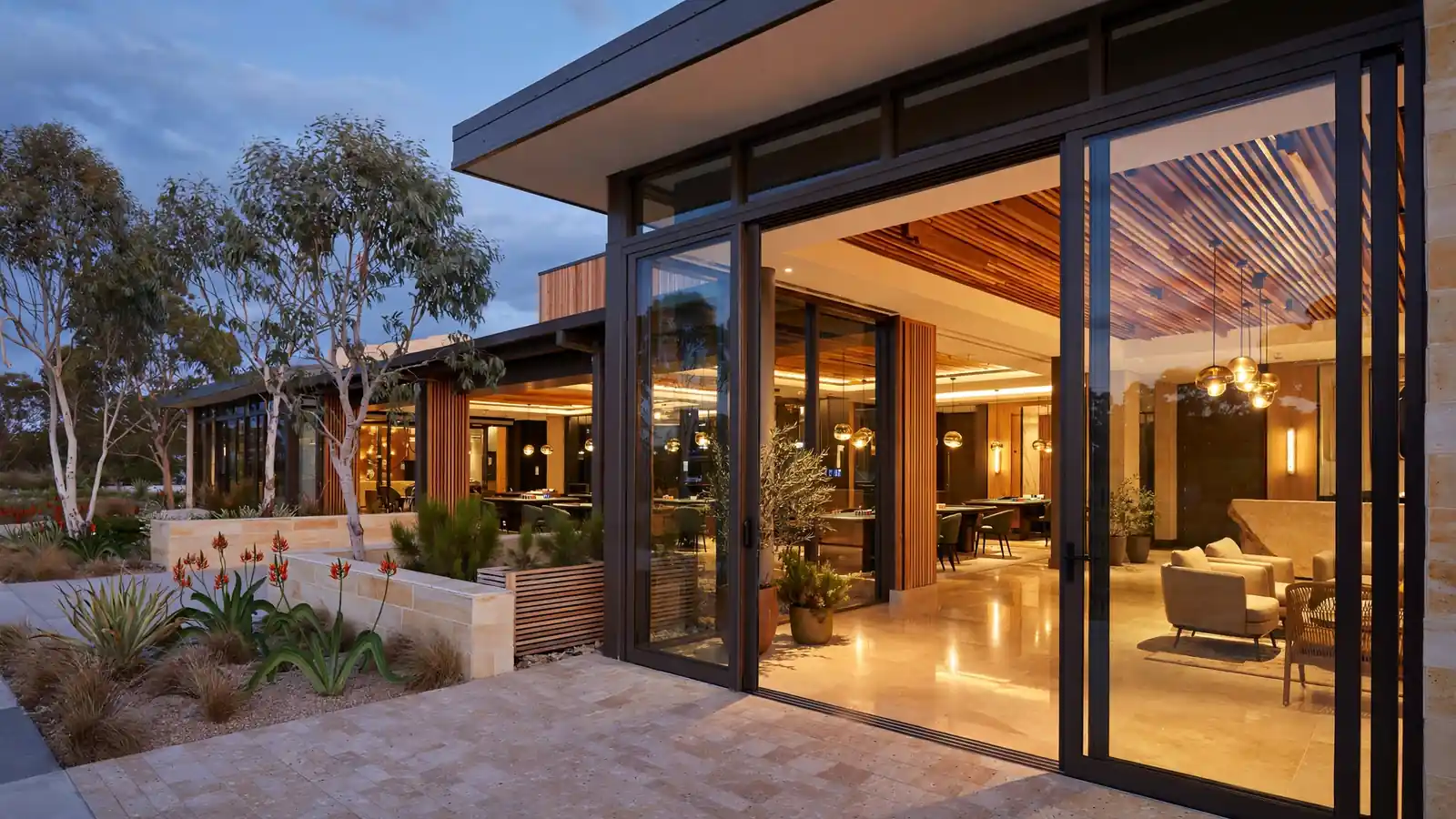
The resort label can blur boundaries. A property may combine rooms, gaming, dining and other facilities, but the name does not establish which services are available to every guest or included in a stay. Breakfast, buffet access and casino rewards should each have their own terms. A package that combines several features needs to say which are guaranteed, which depend on availability and which require enrolment. Otherwise, the resort becomes an attractive umbrella under which the important distinctions disappear.
Rewards programmes introduce a different vocabulary: points, membership, offers and benefits. The useful questions are not answered by the word “rewards” alone. A description should explain how membership is obtained, what activity earns benefits, whether points expire, where they can be used and whether an offer is restricted by date or status. If dining is connected to a programme, the terms should say whether a benefit applies to breakfast, a buffet or another purchase. A general promise of perks cannot establish any of those conditions.
This is where the casino’s hospitality language meets the arithmetic of loyalty. Rewards can make a venue feel less like a collection of transactions and more like a club, but every club has rules about who qualifies and what membership delivers. Clarity is therefore part of the service, not decorative fine print. A listing should separate a standing benefit from a temporary promotion and describe exclusions plainly, rather than letting a broad headline imply universal access.
Breakfast and buffet information belongs beside, but not inside, the broader account of a venue’s restaurants. The distinction is useful: a morning meal has its own schedule and relationship to a stay, while a buffet is a format whose availability and terms need separate explanation. Likewise, rewards are not a substitute for either. They are a set of conditions attached to membership. Three subjects, three sets of terms.
Parking, Bingo and the Online-Casino Question
Parking and bingo are practical venue questions, but neither can be settled by a broad label such as “casino in Queensland”. A listing needs to identify the particular venue and confirm its current arrangements. For parking, that means checking whether visitor spaces are available, where the entrance is, whether valet service is offered and whether any parking is complimentary. Those details can differ between venues and may change; a search result or an old visitor comment is not a reliable substitute for the venue’s own information.
Lawful Access
Under the Interactive Gambling Act, operators based in Australia cannot provide online casino services to people located in Australia.
The word “free” deserves particular care. It may refer to a limited arrangement, a condition attached to a visit, or a detail that has since changed. Unless the venue states the terms clearly, it should not be treated as a standing promise. Practical points such as access for mobility-impaired visitors and the route from parking to the entrance also belong in a useful listing. They are not glamorous details. They are the details that decide whether the evening begins at the door or in a hunt for it.
Bingo belongs in the same category of venue-specific information. A listing would need to confirm whether bingo is actually offered, on which days, how sessions are booked or joined, and whether any age or entry conditions apply. These are operational details, not evidence that every Queensland casino runs bingo. Nor should bingo information be folded into restaurant or buffet descriptions: dining and a scheduled game answer different questions, even when both appear on a venue’s public programme.
The online-casino question is different in kind. Under the Interactive Gambling Act, an operator based in Australia cannot provide online casino services to people located in Australia. That restriction covers casino-style games such as pokies, blackjack and roulette. A physical casino’s existence does not make its online equivalent lawful for local customers.
Offshore platforms sit outside that Australian regulatory framework. Their position is often described as a legal grey area for players, but that does not make them regulated in Australia or turn them into locally authorised services. The distinction is important: the law restricts operators from supplying these online games to people in Australia, while offshore platforms do not come under Australian regulation. A familiar brand, polished website or Queensland-themed page cannot erase that difference.
Nor is a virtual location a sound workaround. A specialist review has reported that using a VPN to access region-blocked pokies may breach an operator’s terms and could lead to account suspension. That is a platform-condition warning, not a route to lawful local access.
Parking can be checked at the entrance. Online casino claims require a different kind of scrutiny: whether the service is being offered to people in Australia, and whether anyone is presenting an offshore site as if it were regulated here. The distinction is not a technicality. It is the line between a venue’s local facilities and a prohibited online service.
Accommodation Beyond the Casino Hotel
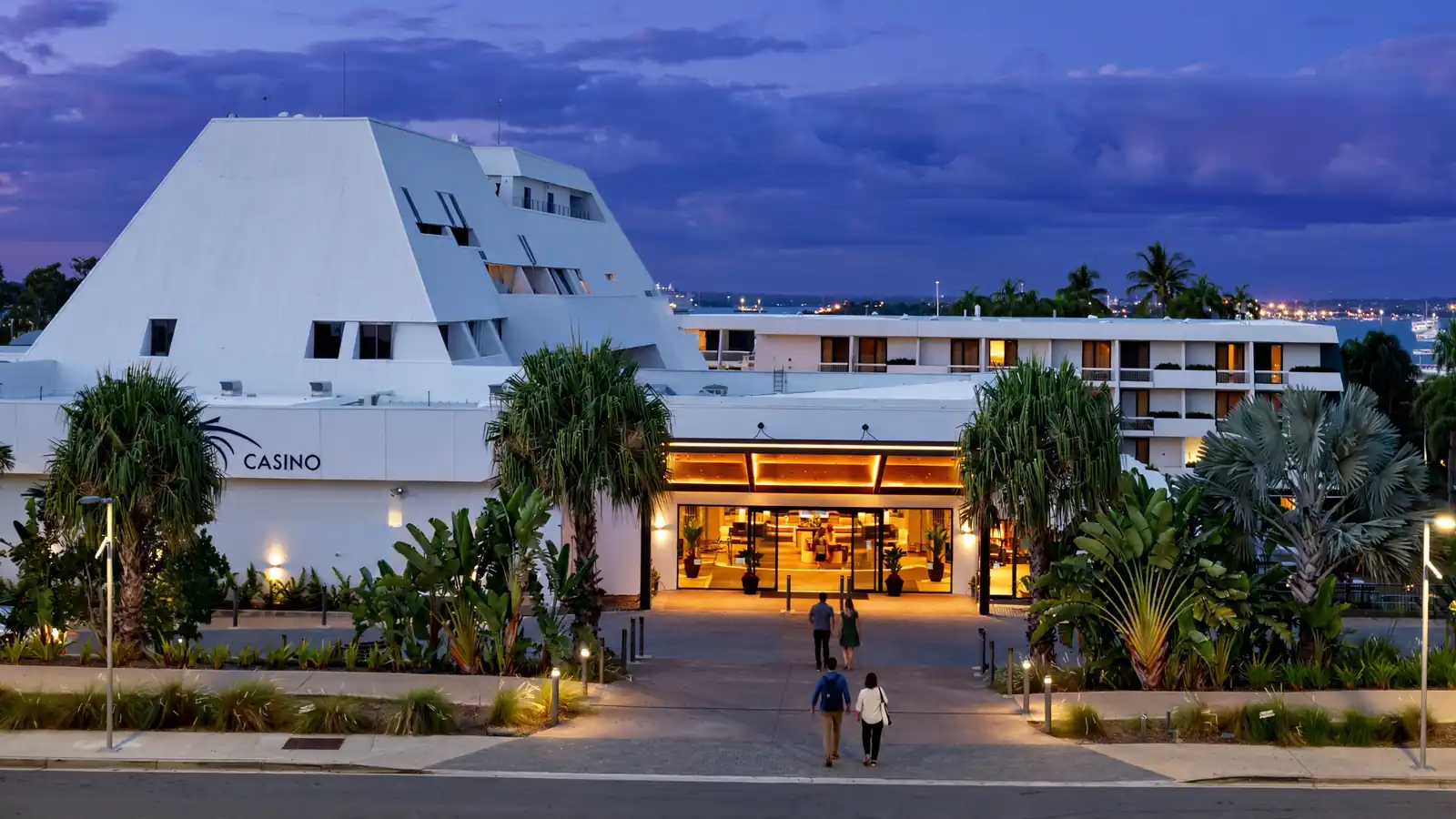
A stay near a casino need not be a casino stay. That distinction matters: the wider accommodation search is about the surrounding choice of places to sleep, and how each fits the purpose of a trip, rather than the features or offers of a casino’s own hotel.
“Near” is a useful starting point, not a measure of convenience by itself. A listing may look close on a map while still requiring a journey that does not suit the trip. Before comparing places, the casino’s location needs to be confirmed from official venue information, then set against the accommodation’s own stated address and transport details. The practical question is not simply which property is nearest, but what getting between the two would involve.
Listings can be compared on the things they actually disclose: room configuration, accessibility, included services, cancellation conditions and the full price for the intended dates. A headline rate on its own tells little. Taxes, fees, minimum-stay conditions or restrictions may change the final cost, so the terms attached to an offer matter more than the word “deal”. Promotions also need to be read as conditions, not as a promise that a particular price or benefit will be available.
Do
- Confirm the casino’s location from official venue information
- Compare room configuration and cancellation conditions
- Use a common basis for price comparisons
Don’t
- Rely on map proximity as a sole measure of convenience
- Assume a headline rate is the final cost
- Treat promotional wording as a guaranteed benefit
The broad search for Queensland casino accommodation can easily blur together distinct choices. A casino-run hotel and an independent nearby stay are not interchangeable simply because both appear in the same results. The first may package lodging with venue facilities; the second may suit a visitor who prefers a different setting, has other plans, or wants to compare a wider range of accommodation. Neither is inherently the better choice. The useful comparison is between what is included, where it is, and what the booking terms permit.
Distance should be considered alongside the reason for travel. Someone attending an event may value predictable transport; a visitor exploring the region may care more about access to other destinations. Those are different itineraries, and a single “best location” cannot serve both. A clear listing should make its location and access arrangements understandable without requiring the guest to infer them from promotional language.
Price comparisons also need a common basis. Dates, room type, cancellation terms and included services should be kept consistent when weighing options. Otherwise, an apparent saving may simply reflect a different room or stricter conditions. The cheapest displayed figure is not necessarily the lowest-cost stay once the booking terms are taken into account.
For accommodation beyond the casino hotel, the sound approach is deliberately ordinary: establish the venue location, compare independent listings on equal terms, and treat promotional wording as something to verify in the offer itself. Close on a map is not the same as convenient.
Finding Contact and Venue Information
A contact number is useful only when it can be tied to the venue it is meant to reach. Casino names can appear across hotel pages, event listings, map services and third-party directories, where an old telephone number may linger after the surrounding details have changed. The safest reference point is the venue’s own current website or an official organisation that operates it. A listing copied elsewhere is a lead, not confirmation.
The same care applies to an address. A map pin may mark a broad complex rather than a particular entrance or building, while a venue page may give a postal address that is not intended for visitors. Matching the address shown on an official venue page with the map label helps establish whether both refer to the same place. It also prevents a search for a Queensland casino from ending at a similarly named property or an unrelated business.
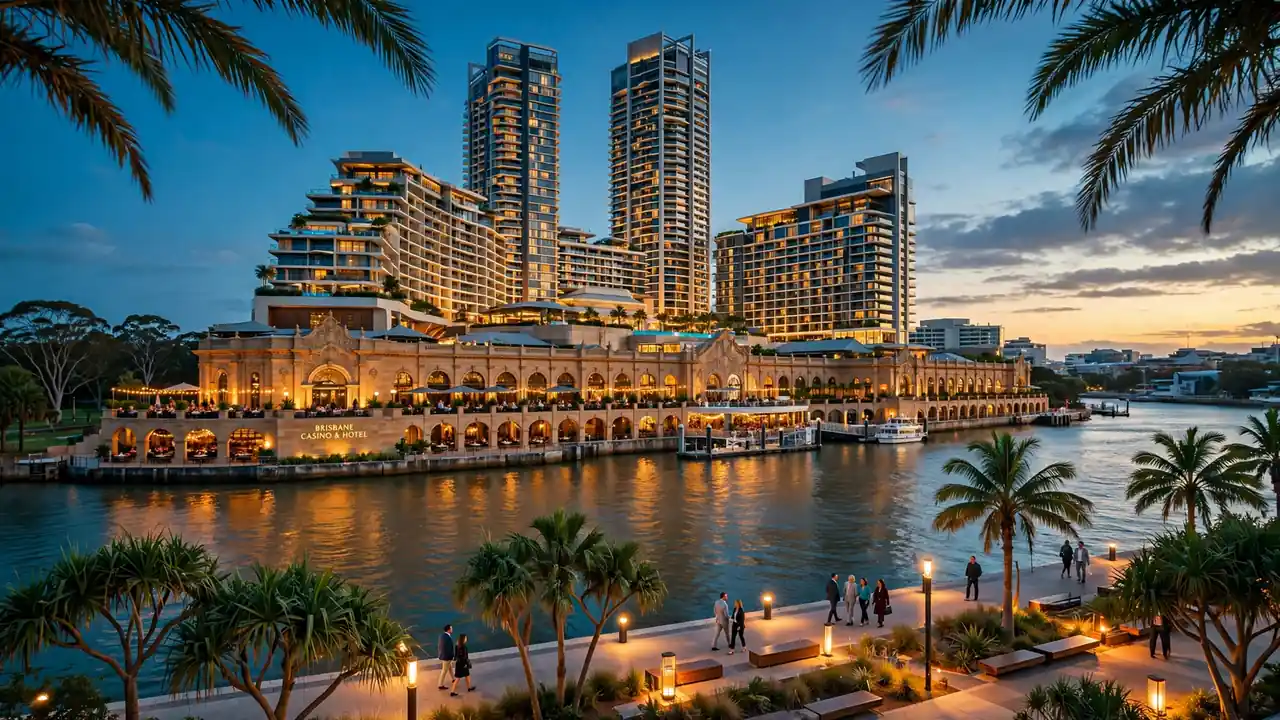
A map is most useful as a directory, not as evidence that every label is current. It may identify the casino, hotel, bars and other facilities within a larger site, but the venue’s own map or directory should take precedence when the two disagree. Car-park labels may also appear on maps; their presence says little about current arrangements, which belong to separate access information.
Bars deserve the same distinction between existence and present availability. A map marker or old photograph can show that a bar has been associated with a venue, but not whether it is operating, what its current hours are, or whether it is open to the public at a particular time. Those details should be checked against the official venue listing or confirmed through its published contact channel. Hospitality is often represented online as a permanent feature. In practice, it is a changing service.
Event listings can travel farther than the event itself. A concert promoted by an outside ticketing service may be associated with a casino complex without being presented by the venue, and a dated listing can remain visible after the event has passed. Current venue announcements and the ticket seller’s own event page should therefore be compared before treating a performance as confirmed. The venue’s contact team can clarify which address or listing is authoritative.
Searches about baccarat or craps raise another question: whether a particular game is offered at a specific Queensland venue. General descriptions of casino games cannot establish what is available at an individual property, and a third-party page may refer to another location or an earlier period. Any claim about a venue’s gaming facilities needs to be checked through its official information. The name of a game on a directory is not a promise of access.
Reliable venue information is less a matter of collecting the largest number of listings than of tracing each detail to its origin. An official address, current contact channel and venue-maintained map form a more dependable reference than repeated snippets copied between directories. Where those sources conflict, the published venue contact is the sensible point of clarification. The internet preserves old details remarkably well. Not always helpfully.
Opening, Events and the Queensland Casino’s Public Role
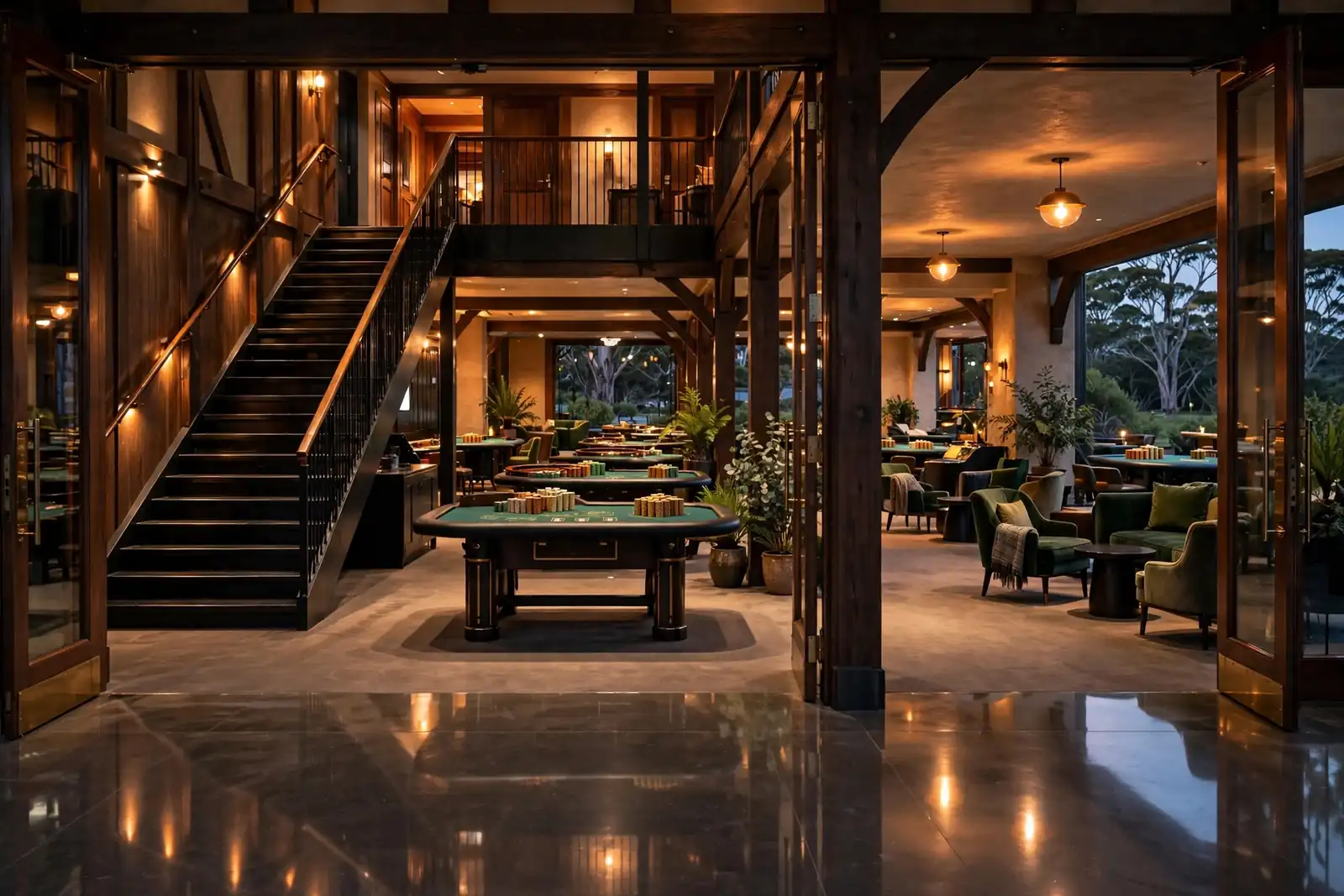
Opening hours, event listings and reopening notices are not minor details around a casino; together they describe how a venue presents itself to the public. They also change. A page saved from an earlier visit can remain easy to find after an entrance, schedule or operating arrangement has changed. For a Queensland casino, the useful question is therefore not simply whether it is open, but whether the information comes from a current, official venue update.
Hours should be stated for the venue and, where relevant, for the particular service being checked. A casino floor, an event space and other facilities need not share one timetable. A general label such as “open” can conceal that distinction. Reopening information deserves the same care: it should identify what is reopening and when, rather than leave the impression that every part of the property has resumed normal operation. Clear dates matter; vague announcements age badly.
Events and entertainment give the venue a public life beyond gaming. A listing can establish what is scheduled, where it takes place and whether the event is still going ahead. Without those particulars, “entertainment” is only a category, not a plan for an evening. Calendar entries should be checked close to the date, since cancellations and changes are part of live programming, not evidence that an old listing remains reliable.
Development plans call for a different standard of reading. A proposal, an approval and completed work are distinct stages, and promotional language can make them sound like one. A useful account identifies the status of a project and separates announced intentions from changes already in place. That distinction matters to workers, nearby businesses and residents as much as to visitors. A casino is a commercial venue, but its development can also reshape the public spaces and employment landscape around it.
Employment claims need similar precision. A recruitment page can show which roles are being advertised at the time it is checked; it cannot by itself establish the scale or longer-term effects of employment. Broad claims about jobs should be treated as claims unless accompanied by clear supporting information. The public role is not measured by a slogan.
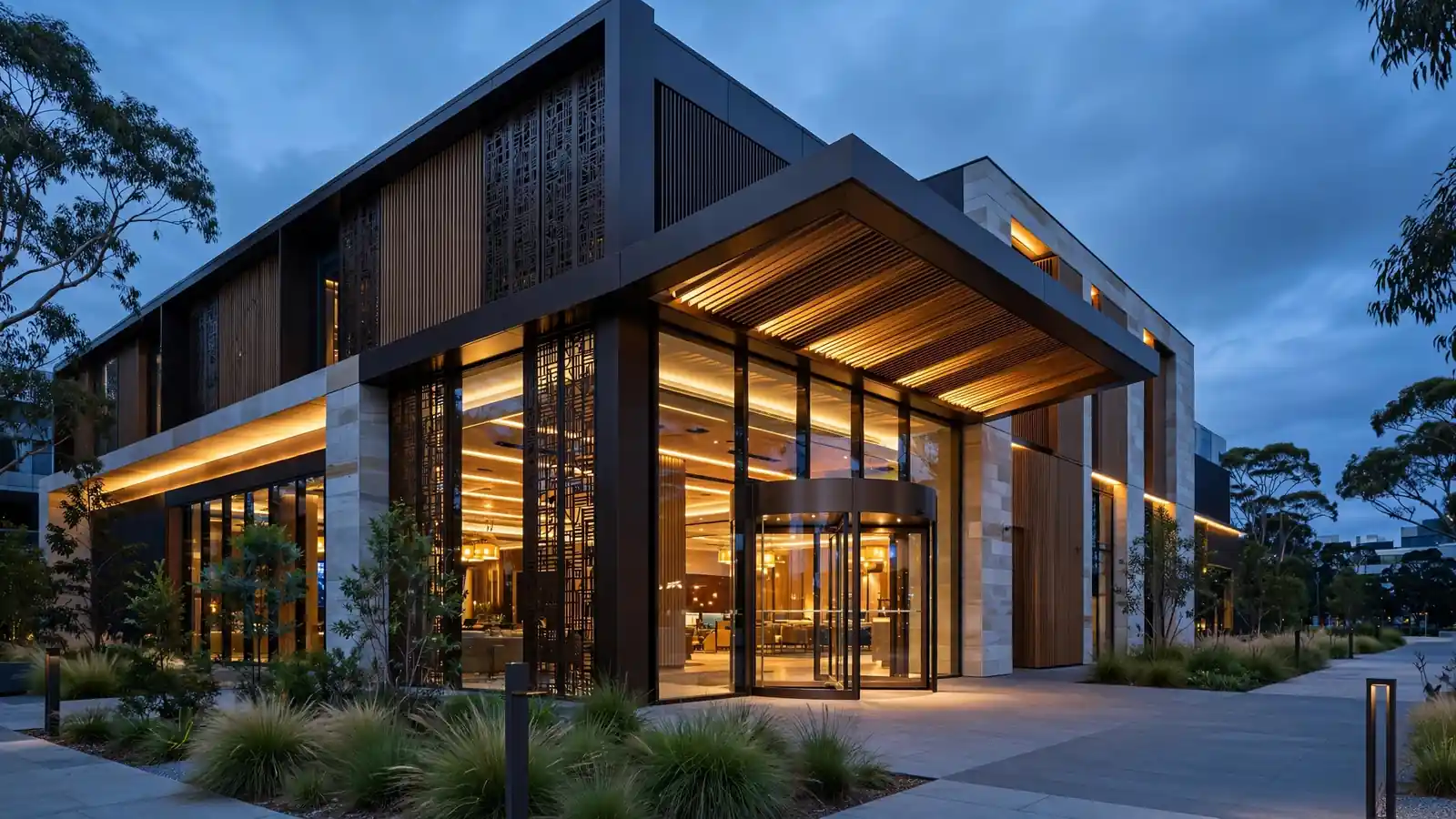
A review of a Queensland casino should begin with these observable questions: are operating details current, are events described clearly, and are development and employment statements presented with their status made plain? The current menu belongs with dining information, but it can still be checked as part of the venue’s public-facing offer, rather than inferred from an old event notice or an undated page. These are modest tests. They are also more useful than praise without particulars.
Spa, Dress Code and Other Visit Details
A spa can make a casino visit feel like a resort stay, but the label alone says little about what is actually available. A Queensland casino spa listing would need to identify the services offered, whether appointments are required, and whether access is limited to hotel guests or open to other visitors. Opening times and booking conditions matter too: a treatment room that operates on a separate schedule is not simply an amenity available whenever the gaming floor is open. Without clear, current details from the venue, “day spa” is a description, not a promise.
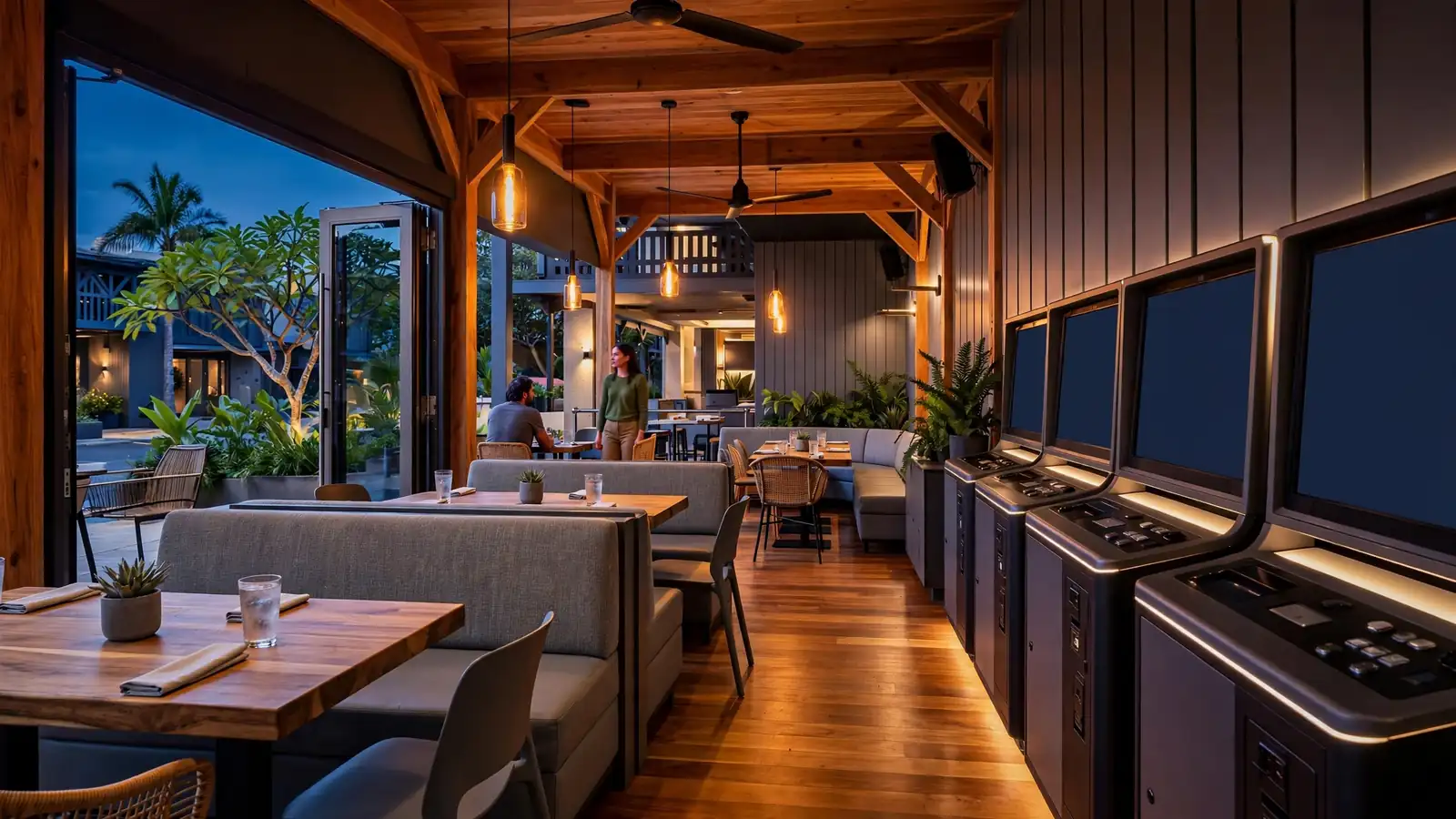
The same care applies to dress codes. Casino clothing rules can differ by space: a hotel lobby, bar, gaming area and spa may not share the same expectations. A broad claim that a venue is “smart casual” would leave too much unsaid, especially if particular areas impose their own requirements. The useful information is the venue’s own wording, including any restrictions on footwear or clothing and whether those rules change for an event. Dress codes are small social laws, and their boundaries tend to matter most at the door.
Address searches also need precision. A casino may sit within a larger hotel or entertainment complex, so a general venue name may not be enough to distinguish the correct entrance or destination on a booking. The address should be taken from the venue’s official information and matched to the specific facility being visited, particularly where a spa appointment is involved. That is a practical check, not an invitation to infer directions from a map pin or an old listing.
For a visit built around relaxation rather than gaming, the details worth establishing are therefore concrete: what treatments are offered, how appointments are arranged, who may use the facilities, what the current dress requirements are, and which address applies to the intended destination. If those details are not stated clearly, a spa should not be assumed to be part of the casino experience. Nor should a dress policy be guessed from photographs or from rules at another venue.
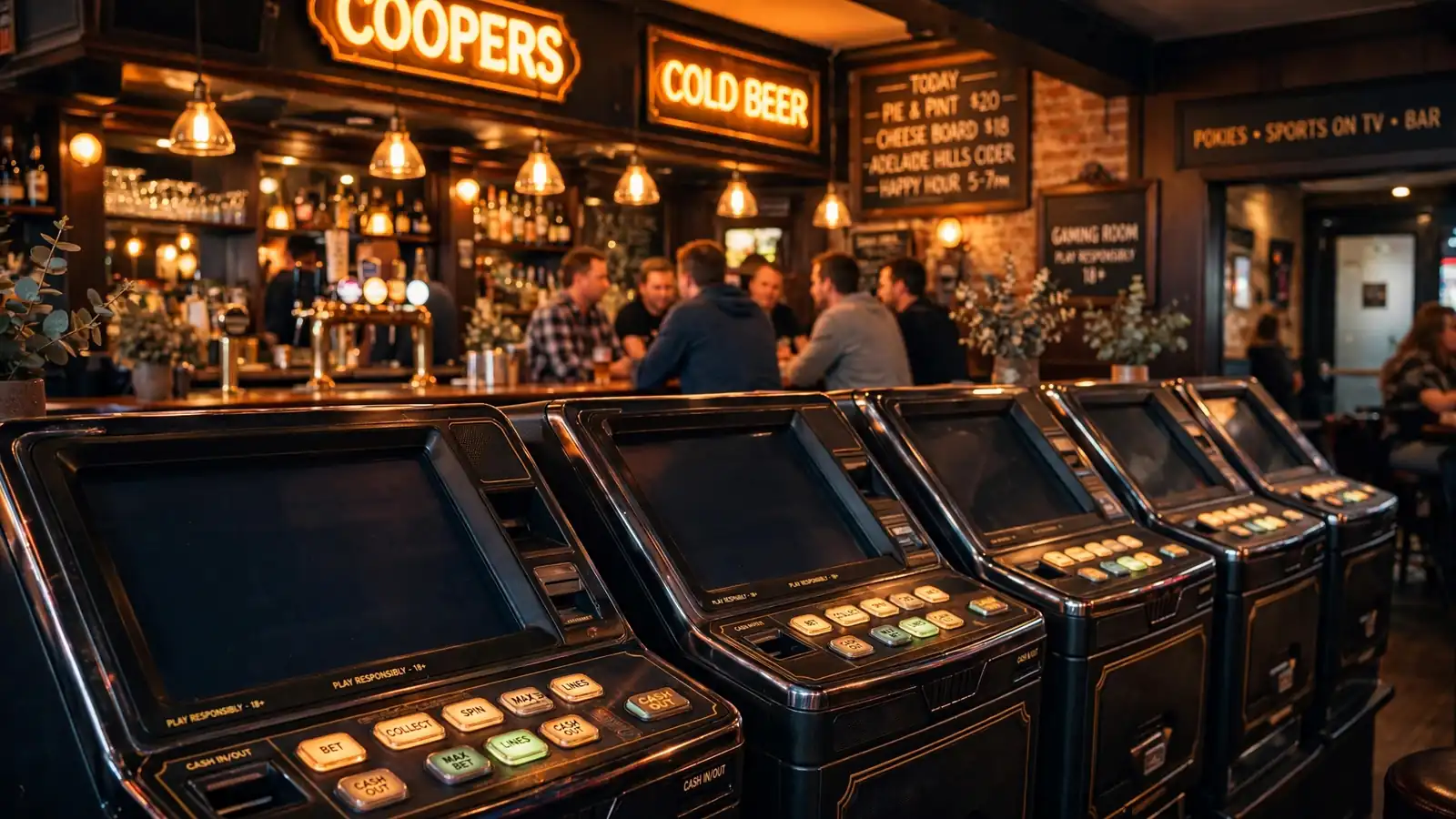
The broader setting can create an impression of a single, seamless resort. In practice, facilities may be managed separately and carry separate conditions. The official venue information is the place to confirm the terms that apply to the particular visit; promotional language is not a substitute for them. For Queensland, the name of a casino alone cannot establish that a spa exists, what it offers, or what clothing is permitted. Specifics first. Relaxation later.
Restaurants and Dining at the Venue
A casino restaurant is not a single promise of a meal. It may mean a formal dining room, a casual place to eat, or a bar serving food; the label alone does not establish which, or whether any particular option is operating. For a Queensland casino, restaurant names and current service details need confirmation before they can support a dining plan.
The useful distinctions are practical. A listing should identify the venue, describe its style of food, and show a current menu rather than relying on broad phrases such as “something for everyone”. Prices, portion descriptions and dietary information help make that menu meaningful. Where dietary needs are relevant, an explicit statement about ingredients and preparation is more informative than a general claim of flexibility.
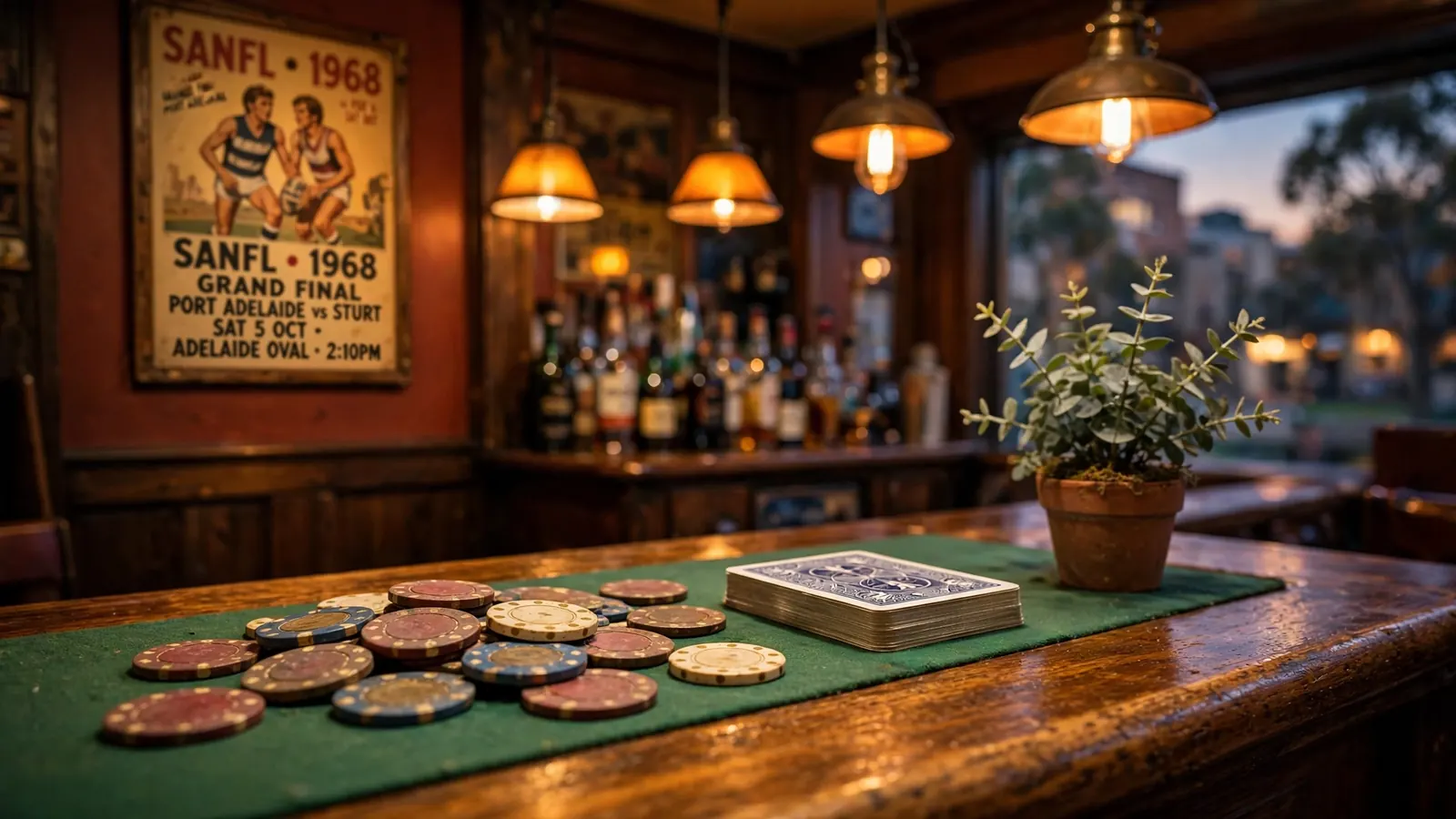
The same care applies to service arrangements. Opening times can differ between restaurants within one complex, and a kitchen may stop serving before a bar closes. Booking requirements, walk-in availability, age restrictions and any dress expectations can affect whether a restaurant suits a particular visit. These are details to verify against the restaurant’s own current information, not assumptions to draw from the casino’s overall operating schedule.
A rooftop bar deserves separate scrutiny. The phrase describes a setting, not proof that a Queensland casino has one, nor that it serves full meals. A venue listing should make clear whether it is a restaurant, a drinks-led bar or both, and should explain any access or booking conditions. A photograph of a terrace is not a menu.
There is also a difference between dining inside a casino and eating near one. “Near” may refer to independent businesses rather than venues operated by the casino, so ownership, location and opening arrangements should not be blurred together. That distinction matters when plans depend on a particular menu or on remaining within the venue.

Restaurant information changes with menus, staffing and trading arrangements. A dated third-party listing can preserve a name while losing the details that make it useful. The dependable comparison is therefore not the longest list, but the one whose restaurant identity, food offering and service conditions are current and clearly stated. Until those particulars are confirmed, no claim about the number or character of restaurants at a Queensland casino can be treated as settled.
Food Options and Pool Facilities
Food listings and pool facilities answer different practical questions from a restaurant directory. A food court suggests several quick-service choices gathered in one area; a general food listing may instead refer to cafés, takeaway counters or other casual options. The label alone does not establish what is on site, when it operates or whether it sits inside the casino complex. Those details need confirmation in the venue’s current information before a visit is planned around them.
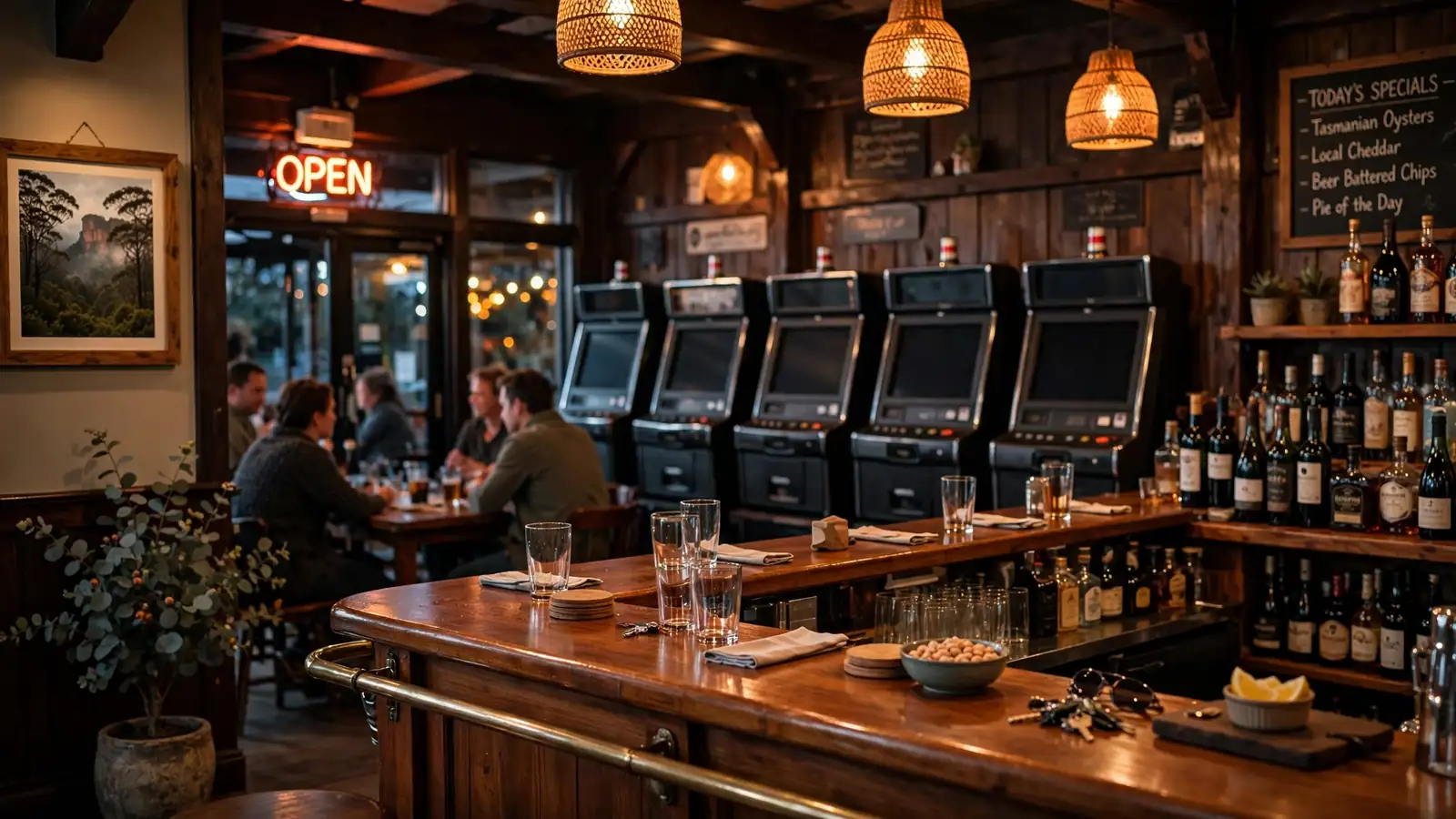
The distinction matters because “food available” is not a useful description of a meal. A reliable listing would identify the outlet, its location, service hours and any conditions on access. It would also make clear whether food is available to all visitors or only within a particular part of the property. Without that context, a broad claim can turn a simple meal into an unnecessary detour.
A pool requires the same care. A hotel pool, a leisure facility elsewhere on a property and a public swimming venue are not interchangeable. A listing should establish whether the Queensland casino itself has a pool, where it is located, who may use it and whether access depends on a hotel booking or other conditions. A photograph or an old directory entry cannot settle those points; facilities and access arrangements can change.
This is a small but revealing part of venue research. Food and recreation are often presented as amenities, yet their value depends on the rules around them: opening times, location, eligibility and the boundary between casino and hotel services. Clear, current venue information should answer those questions without implying that every facility is included for every visitor. A name on a map is not access.
Written by the editors at Cuntspin Casino.