Best Casino in Western Australia: What to Check
 Available in AU
A practical guide to casino stays in Western Australia, from room location and access to dining, entertainment and details worth verifying.
Table of Contents
- A Stay Built Around the Casino
- Poker Rooms, Tournaments and the Limits of the Comparison
- Getting There, Parking and the Online-Casino Question
- Accommodation Beyond the Casino Hotel
- Contact Details, Bars and the Shape of a Venue Visit
- Breakfast, Buffets and the Casino’s Other Economy
- Opening Hours, Entertainment and the Question of Development
- Restaurants as Part of the Casino Destination
- Spa Searches, Addresses and the Details That Need Checking
- Food and Pool: Two Searches, Little Verified Detail
A Stay Built Around the Casino
A casino hotel makes the venue part of the stay rather than a place to visit between other plans. The room is not merely somewhere to sleep after an evening out: its location can shape how long guests remain on site, when they return upstairs and whether the casino becomes the centre of the trip. That is the practical appeal behind searches for casino hotels in Western Australia. Whether it is a real advantage depends on the property and the purpose of the visit.
The first distinction is between a hotel attached to a casino and a hotel that is simply nearby. An on-site room may reduce the need to arrange a separate journey back after an evening at the venue. A nearby hotel may still be convenient, but proximity alone does not establish how easy that journey is. The words “casino hotel” can sound precise while leaving important details unsettled: the room’s location, the route between the hotel and casino, and what access is available to guests.
Choosing an online casino for Western Australia calls for a clear look at the available licensing and practical details, such as payment options and minimum deposits. Use these verdicts as a concise reference when considering the options for 2026.
License: Curacao · Payout speed: crypto 30-60 minutes, fiat 1-5 days · Min. deposit: A$10 Wild Tokyo lists a Curaçao licence and a minimum deposit of A$10. Its stated payout times are 30–60 minutes for crypto and 1–5 days for fiat.
License: Curacao Golden Pokies lists a Curaçao licence. The available information gives no further operational details, so it is best treated as a simple reference point.
License: international iGaming licence – jurisdiction not named in the source · Payout speed: PayID 1-24 hours · Min. deposit: A$30 (PayID from A$10) House of Pokies lists an international iGaming licence, though the jurisdiction is not named. PayID payouts are stated at 1–24 hours, and the minimum deposit is A$30, or A$10 with PayID.
License: Curacao eGaming (Dama N.V.) JeetCity Casino lists a Curaçao eGaming licence held by Dama N.V. That licensing detail is the available basis for considering it.
License: Curacao Gaming Control Board JustCasino lists a Curaçao Gaming Control Board licence. The supplied information does not include other details to assess.
License: Curacao Gaming Control Board OGL/2023/176/0095 (Hollycorn N.V.) Rollero Casino lists Curaçao Gaming Control Board licence OGL/2023/176/0095, held by Hollycorn N.V. The licence reference is its key stated detail.
License: Curacao (operating since 2017) · Min. deposit: A$20 Uptown Pokies lists a Curaçao licence and has been operating since 2017. Its minimum deposit is A$20.
License: Curacao Gaming Authority (Jumpman Gaming Ltd) DragonSlots Casino lists a Curaçao Gaming Authority licence held by Jumpman Gaming Ltd. This is the main available detail for evaluating it.
License: Curacao Gaming Control Board OGL/2023/176/0095 (Hollycorn N.V.) Neospin lists Curaçao Gaming Control Board licence OGL/2023/176/0095, held by Hollycorn N.V. The supplied information does not specify other features.
Payout speed: crypto under 1 hour, PayID 1-3 business days · Min. deposit: A$20 (A$30 to qualify for the bonus) Ricky Casino lists crypto payouts in under 1 hour and PayID payouts in 1–3 business days. The minimum deposit is A$20, rising to A$30 to qualify for the bonus.
Rooms also differ in ways that matter more than a polished photograph suggests. A booking description should be read for the actual room category, included services and any conditions attached to the rate. A view, a larger room or a package may be presented as an upgrade, but its value depends on what the stay is meant to provide. For someone planning to spend little time in the room, extra space may matter less than a clear check-in arrangement. For a longer visit, the balance could be different. There is no universal best room; there is only a better fit for the trip.
The same care applies to hotel deals. A headline rate is not the whole arrangement. The dates, cancellation terms, inclusions and booking conditions determine what the offer amounts to. A package linked to casino activity should be understood as a hotel offer, not as evidence that gambling will pay for the stay. The casino and the room remain separate parts of the decision, even when they appear on the same booking page. Convenient packaging does not make the underlying costs disappear.
A stay built around the casino can also narrow the shape of a visit. Meals, entertainment and other plans may be drawn towards the property simply because it is where the room is. That can suit a short trip with one clear purpose. It can be less appealing when the hotel itself is expected to provide a particular atmosphere or a full itinerary. Those expectations need to be checked against the individual property, rather than inferred from the word “casino.”

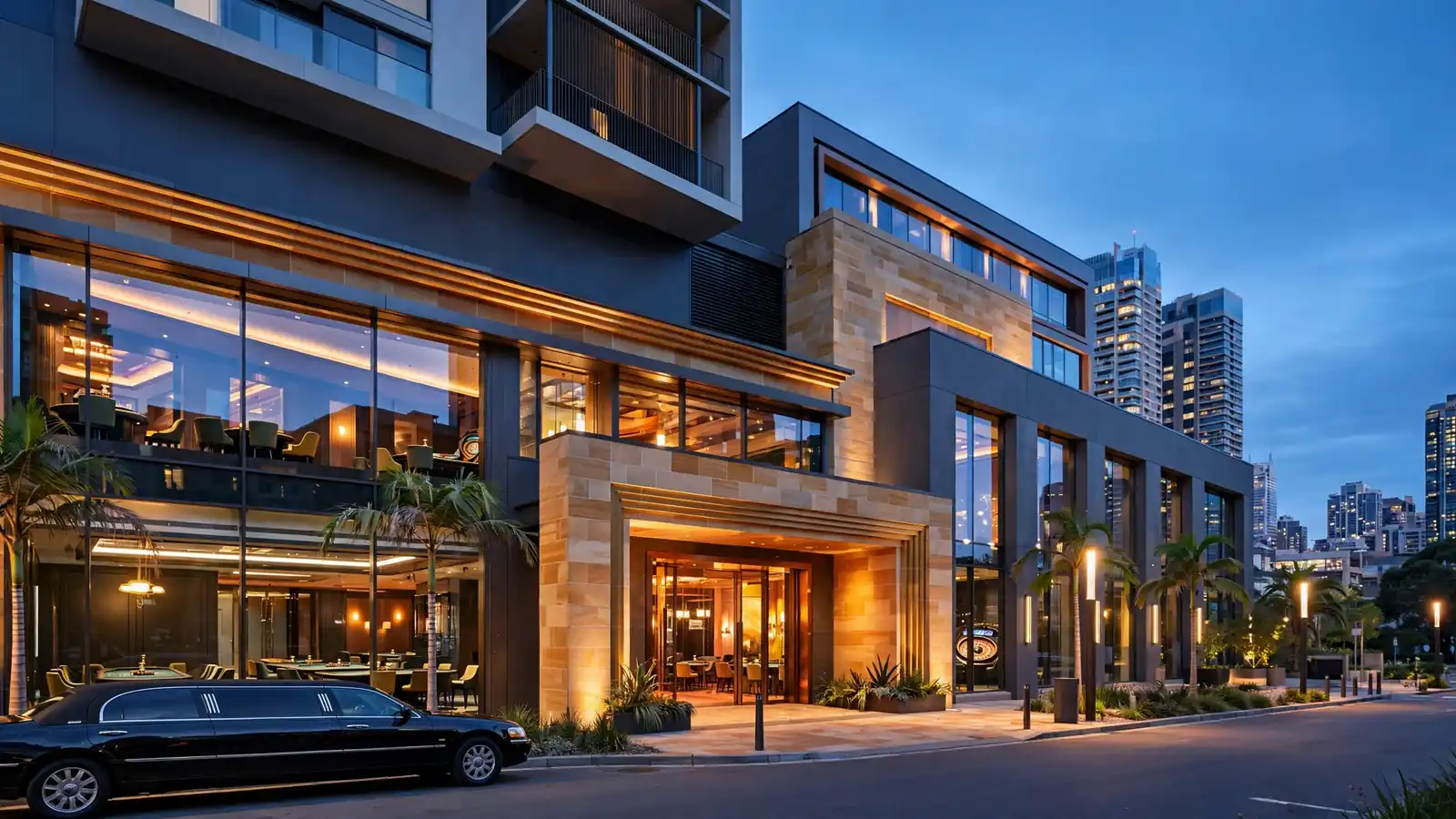
For Western Australia, the phrase “best casino hotel” should therefore be treated as a comparison to make, not a settled category. A useful assessment starts with the room and rate, then asks how the hotel’s position supports the intended visit. If the practical benefit is avoiding a separate trip back, the route and access arrangements matter. If the point is an especially comfortable stay, the room details and hotel services matter more. Grand branding is a poor substitute for either.
The appeal is logistical, before it is glamorous. A hotel room can make a casino visit feel self-contained, but it does not guarantee that every part of the stay will be seamless or that a particular offer is worthwhile. The details decide.
Poker Rooms, Tournaments and the Limits of the Comparison
Poker and pokies share a casino setting, but they are not the same activity. A poker room is associated with a card game played against other people; an online pokie is a game of chance whose outcomes are generated electronically. The distinction matters when a search for poker rooms or tournaments in Western Australia begins to blur into assumptions about the games available at a venue.
A casino’s name alone cannot establish that it has a dedicated poker room, runs tournaments or has a particular event on its calendar. Those are specific, changeable details, not features that can safely be inferred from the word “casino”. A planned visit therefore depends on confirmation from the venue about whether poker is offered, what format is involved and whether a tournament is actually scheduled. Without that confirmation, a room or event should not be treated as part of the visit.
Legal Restriction
The Interactive Gambling Act 2001 prohibits operators from providing real-money online poker to people physically in Australia.
Poker is also sometimes confused with online poker, but the setting changes the legal picture. The Interactive Gambling Act 2001 prohibits operators from providing real-money online poker to people physically in Australia. That is separate from the question of what games a physical venue may offer. Neither should be mistaken for online pokies, which are a different product again.
The mechanics of an online pokie make a useful comparison precisely because they show what poker is not. Each spin is produced by a Random Number Generator, or RNG. The generator does not remember a run of previous results or try to balance them with the next one. A sequence of losses does not make a win “due”, and a recent win does not make another one less likely. Each spin stands on its own.
That independence is easy to forget when a game presents a narrative of near misses, streaks or a jackpot building in the background. The machine supplies a story; the RNG supplies the outcome. The story does not change the mathematics.
RTP, or return to player, is another term that belongs to pokie mechanics rather than a poker-room description. It represents the theoretical share of wagered money returned across a very large number of spins. It is not a forecast for one session, a promise about an individual game, or a way to compare the skill or structure of a poker event. Applying it to a tournament would be a category error.
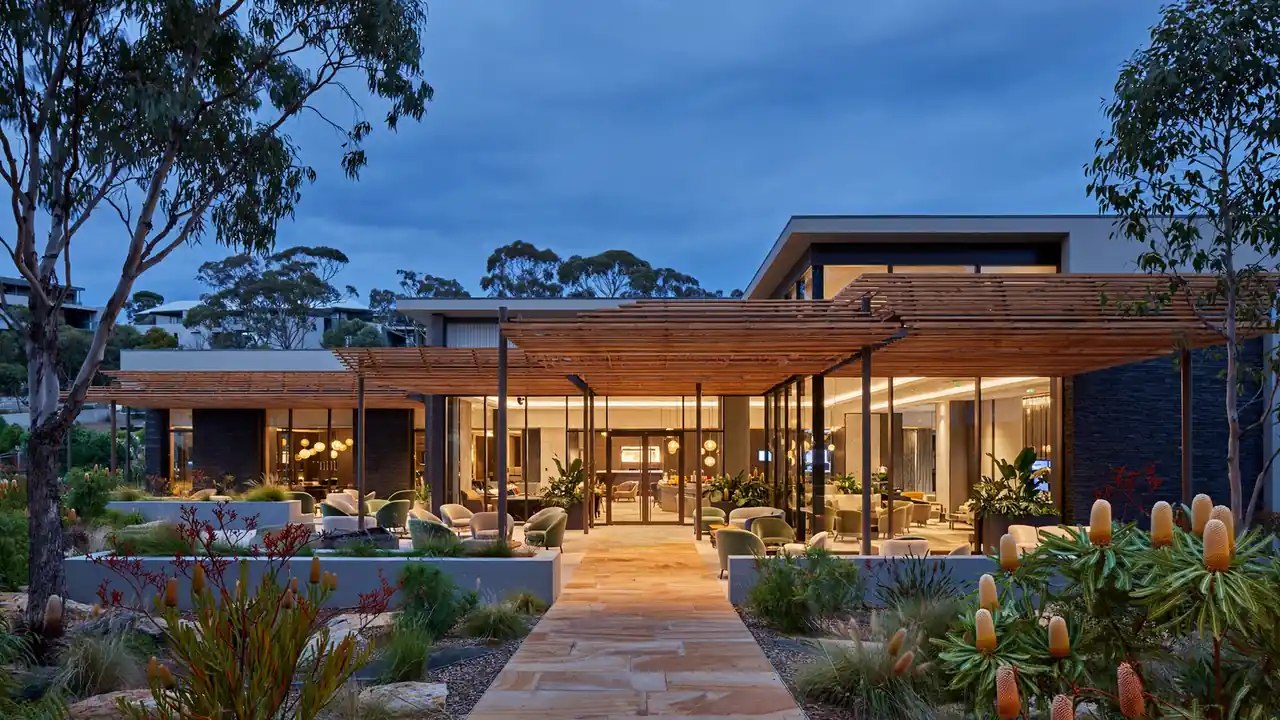
That distinction also helps separate a live event from the language of online games. A tournament has a schedule and rules that need to be confirmed with its organiser; an online pokie has programmed outcomes and a mathematical return measure. A listing for one does not establish the other. Search results and venue labels can flatten these differences, but the practical questions remain distinct: whether a poker room operates, whether an event is planned, and what games are available are not interchangeable details.
The social appeal of poker lies partly in its visible human contest: decisions, table manners and the tension of play among opponents. A pokie offers no such contest with another player. Its apparent personality is design, not memory. That is a small but consequential difference.
For anyone considering gambling, a session budget should be set in advance, and losses should not be chased by raising stakes. No game turns a losing run into a debt the next hand or spin must repay. The table and the machine keep different rules. Neither keeps score on behalf of the player.
Getting There, Parking and the Online-Casino Question
Parking belongs to the physical visit, not to the casino’s online counterpart. For a casino in Western Australia, the useful details are ordinary but consequential: whether parking is available on site, whether valet parking operates, what access arrangements apply, and whether any charges or restrictions affect the visit. Those details can change, so they should be confirmed through the venue’s current official information before setting out. A search result or an old listing is a poor substitute for a current instruction at the entrance.
Parking Verification
Parking availability, valet services, and access arrangements should be confirmed through the venue’s current official information before visiting.
That distinction matters because “casino” can describe two very different things: a destination people travel to, and a set of games presented on a screen. Dining, bingo and parking belong to the first kind of enquiry. They do not establish that an equivalent online casino service is lawful in Australia. Nor does a familiar casino name on a website turn an offshore operator into a local venue.
The legal line is drawn around the operator. Under the Interactive Gambling Act 2001, Australian-based operators cannot offer real-money online casino games to people in Australia. The restriction covers games such as pokies, blackjack and roulette. Sports betting remains widely accessible and legal, but it sits in a different category; its presence should not be taken as evidence that online casino games are permitted on the same terms.
Offshore sites occupy a less reassuring space than their polished pages may suggest. Their services are not regulated under Australian law, and the legal framework actively blocks and enforces against unlawful online casino services. The position is often described as a grey area for players, but that phrase can blur the central point: an offshore platform is not a locally regulated casino offering. A site being reachable at one moment does not make it lawful for an operator to serve Australian customers.
Access can also vary at the level of individual games. When a game is geo-blocked, it will not appear in the lobby when that lobby is opened from an Australian IP address. A catalogue visible in another country may therefore look different from one seen in Australia. The screen is not a stable shop window; location can determine what is displayed.
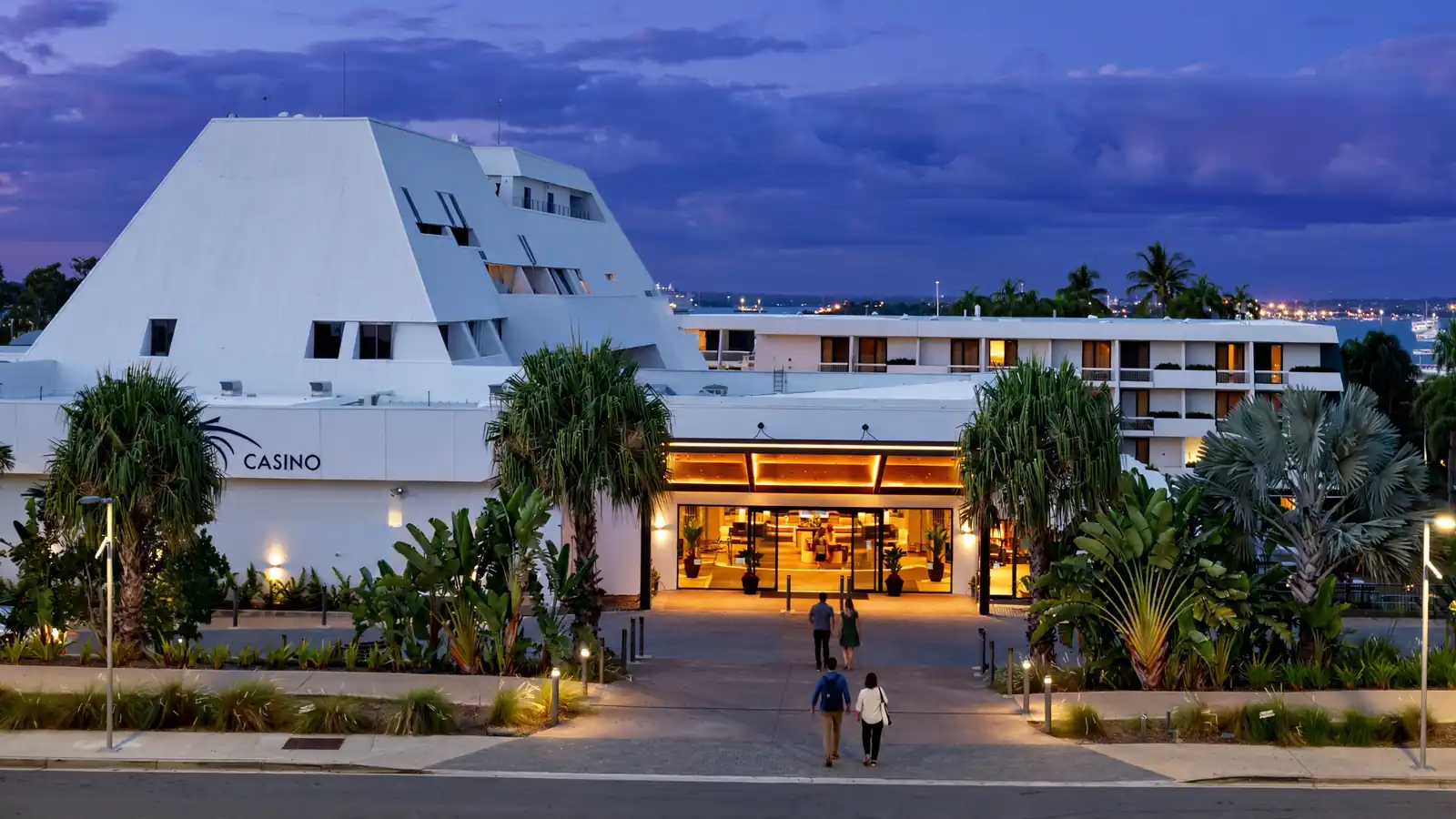
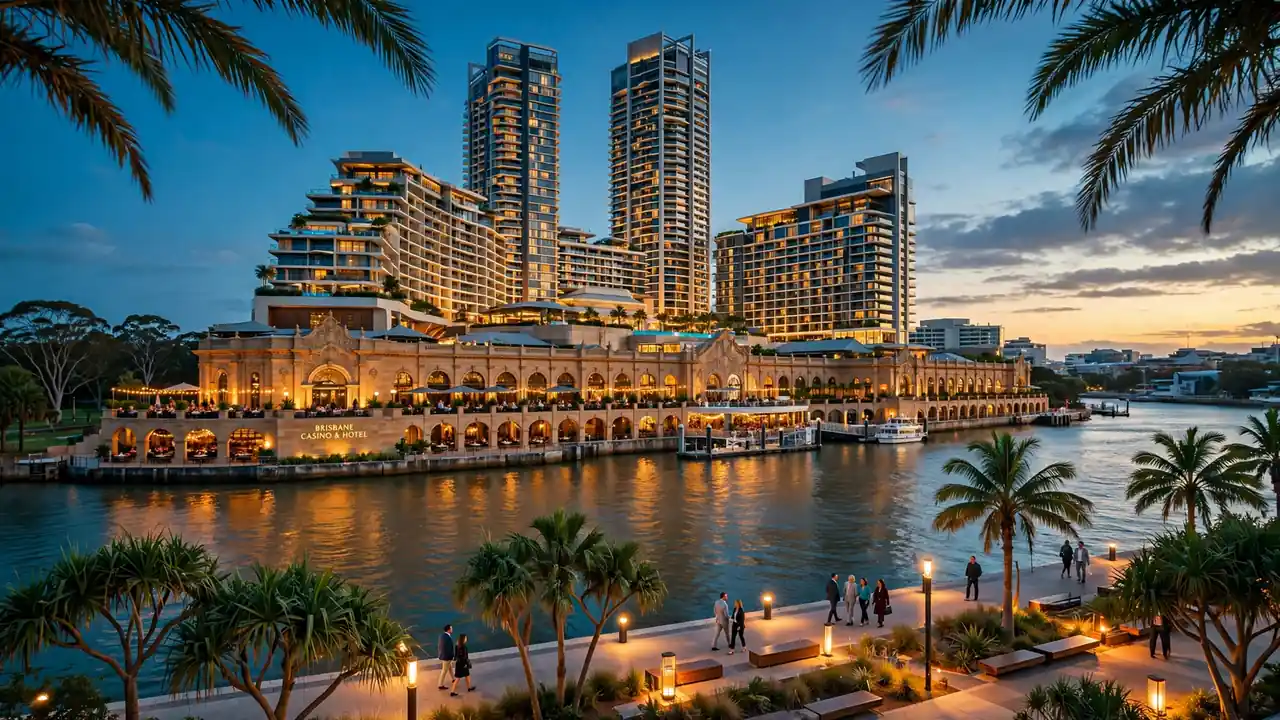
This helps separate the phrase “online casino in Western Australia” from the experience of visiting a casino in person. One is a question about regulated land-based venues and their practical arrangements. The other concerns online services constrained by federal law and access controls. Searches that place dining, bingo and online play side by side do not make them one product.
For anyone planning a physical visit, parking and valet arrangements are matters to verify directly with the venue, rather than details to infer from a general casino listing. For online play, the more important distinction is not whether a site looks Australian, but whether its service is lawful and regulated here. The law is less decorative than the lobby.
Accommodation Beyond the Casino Hotel
A casino hotel makes the venue part of the stay: the room and gaming floor belong to the same destination. Accommodation elsewhere is a different proposition. It may be chosen for price, space, or simply because a traveller wants the casino to be one stop among several, rather than the centre of the visit. The distinction matters more than the label “casino accommodation” suggests.
Listings described as accommodation near a Western Australian casino can cover very different distances and arrangements. “Near” is elastic in advertising; it may mean a short walk, a drive, or merely the same broad district. The casino’s location should therefore be checked against the lodging’s street address, not inferred from a photograph or a promotional description. A map can clarify distance, but the route on foot and the route by car may tell different stories.
Do
- Check the lodging’s street address against the casino’s location
- Verify the route on foot and by car
- Confirm check-in arrangements with the provider
Don’t
- Rely on the term “near” in advertising
- Infer proximity from a promotional photograph
- Assume a room rate is a casino promotion
This is especially relevant when a stay is being planned around a single evening at the venue. A nearby room can make departure simpler, but proximity alone does not settle the practical questions: whether the route suits the time of arrival, whether transport is available, and whether the accommodation’s own check-in arrangements fit the itinerary. Those details belong to the lodging provider, not to the casino by association.
The phrase “Western Australia casino accommodation deals” can also blur two separate offers. A room rate set by a hotel is not automatically a casino promotion, and a casino promotion does not necessarily include a room. Any advertised package needs to be read as a set of terms: what is included, which dates apply, and whether the room itself is being sold by the casino hotel or by another provider. The word “deal” is a heading, not a guarantee of value.
For travellers comparing casino accommodation beyond the hotel, the useful comparison is therefore not simply price against price. It is the total shape of the stay: distance to the venue, transport between places, the room’s own conditions, and the flexibility to spend time elsewhere. A lower room rate can come with a less convenient journey; a central address can be useful even when the casino is not the main reason for travelling. Neither arrangement is inherently better.
The casino’s gaming machines and opening times are separate matters from nearby lodging. A hotel listing may use casino imagery or language without establishing what facilities a particular venue offers, when it trades, or whether a room booking is connected to access. Those details should be confirmed with the relevant venue or accommodation provider before plans depend on them.
The broader lesson is modest: “near the casino” describes a relationship, not a service. The address, booking terms and route define what that relationship means in practice.
Contact Details, Bars and the Shape of a Venue Visit
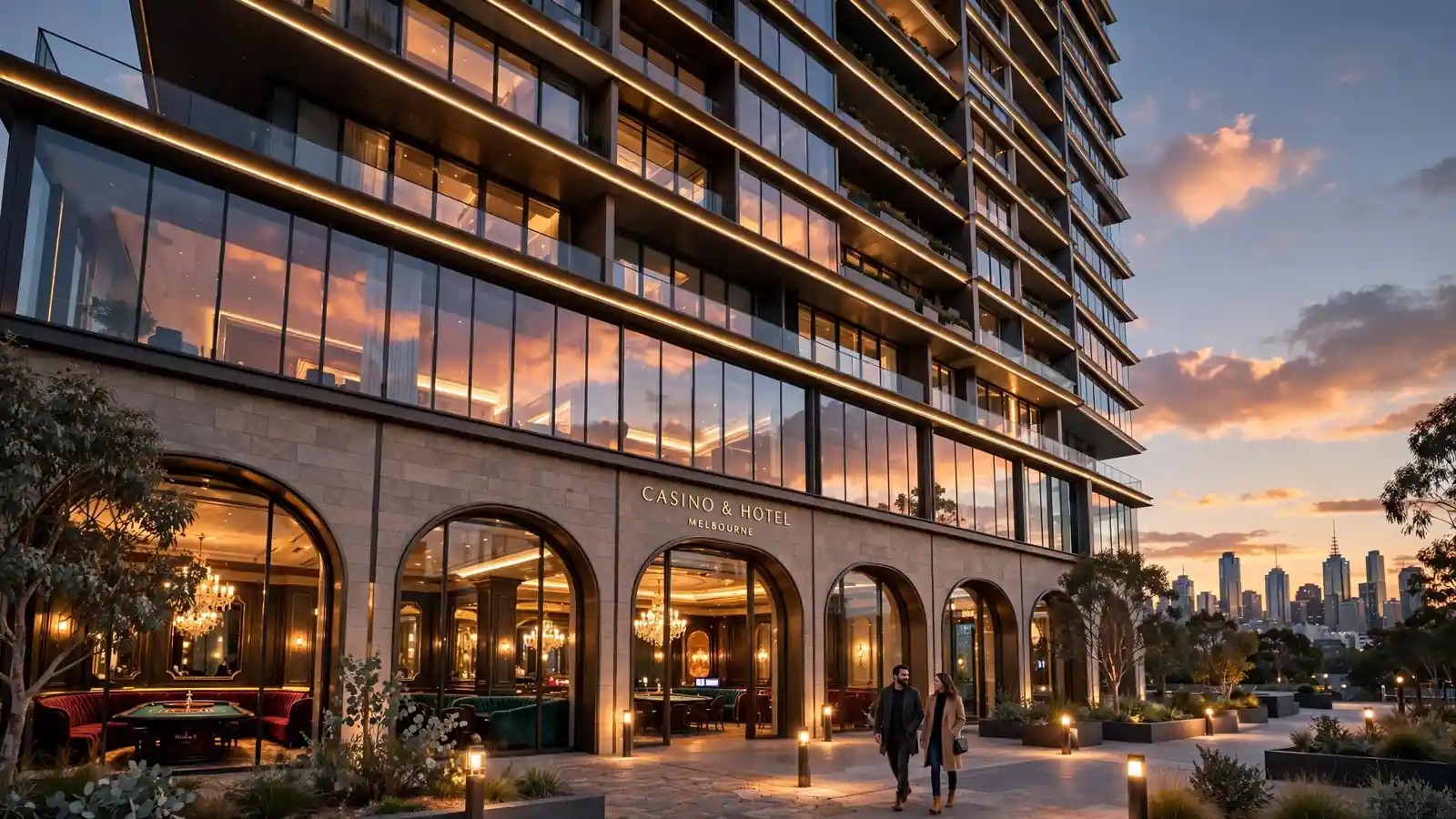
A phone number and a map pin look like small facts. In practice, they determine whether a venue is a destination, a stop on the way somewhere else, or merely a name repeated across listings. For a casino in Western Australia, contact details should be confirmed through the venue’s own current channels before plans depend on them. Third-party directories can preserve old numbers, outdated addresses or labels that no longer match the place.
The same care applies to a map. A pin may identify a broad property rather than the entrance intended for visitors; a venue’s own directions are more useful where arrival depends on a particular access point. That is a matter of orientation, not a promise about parking or transport. Those details belong to the practical journey and should be checked separately.
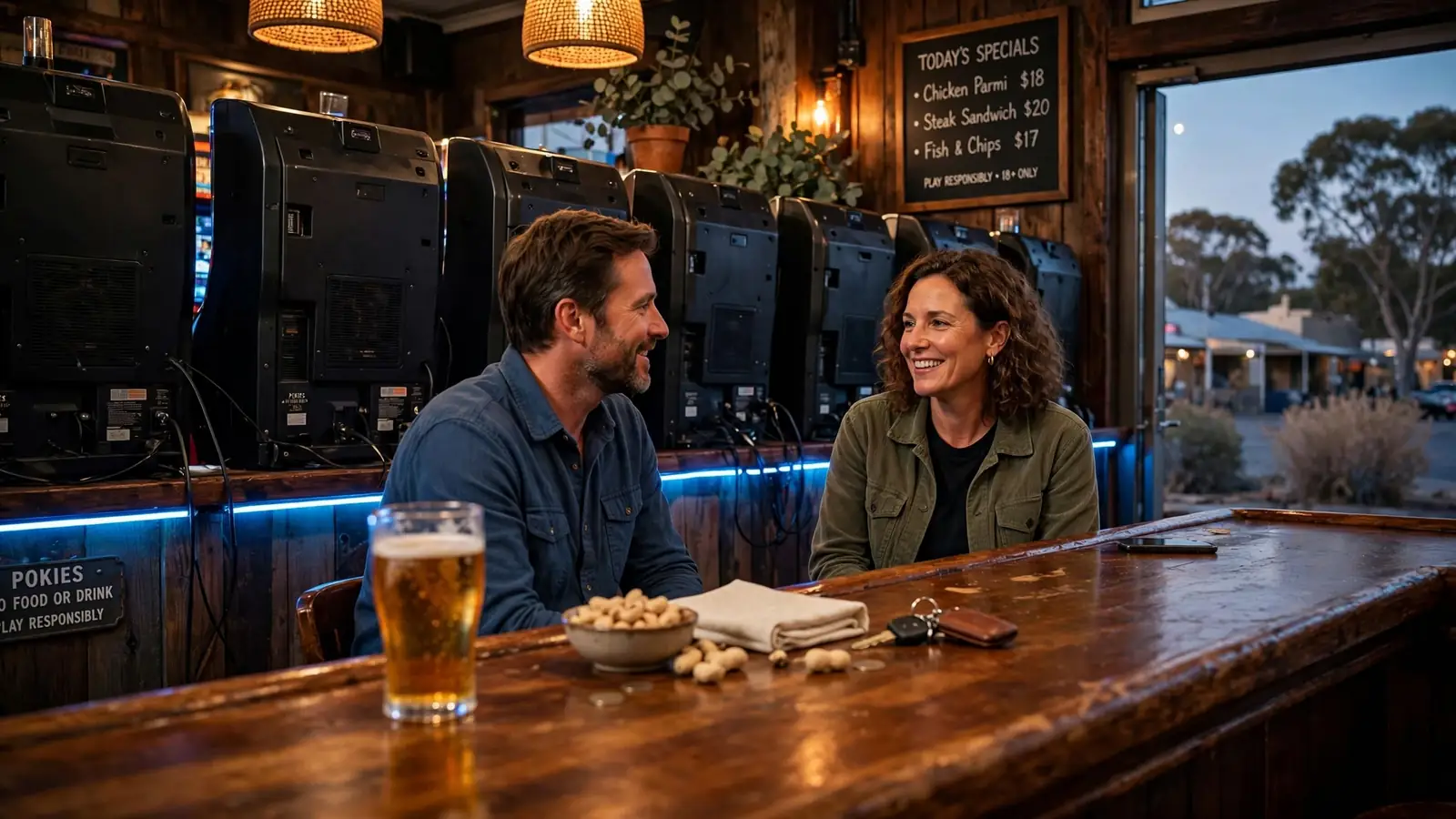
A bar, meanwhile, is not just a line on a floor plan. It changes the social grammar of a casino visit: a place to pause, meet, or remain outside the gaming floor’s concentrated rhythm. But a search for a casino bar in Western Australia does not establish that a particular venue has one, where it is, or what it serves. Those details need direct confirmation rather than inference from photographs, old listings or the general idea of what a casino ought to contain.
That distinction matters because venue descriptions often flatten very different spaces into one word: “casino”. A hotel, gaming floor, restaurant, bar and event room may sit within a single property, but they are not interchangeable, and a listing for one does not confirm the others. Contacting the venue can clarify which entrance, area or service a particular enquiry concerns. Small distinction. Real consequence.
Venue Visit Essentials
- Confirm contact details through the venue’s own current channels
- Use official directions for specific access points
- Verify the existence and rules of bars, games, or events directly
- Treat event listings as subject to current confirmation
Baccarat and craps belong to another category of interest. Their appearance alongside venue searches does not confirm that either game is offered at a Western Australian casino, nor does it establish rules, tables or operating arrangements. They are specific game enquiries, best kept separate from assumptions built around the venue name. A general contact page may not answer them; an enquiry directed to the relevant department, if one is identified by the venue, is more likely to produce a precise response.
Concert searches likewise describe an interest, not a confirmed programme. A casino name appearing beside a concert listing could refer to a separate event space, an old announcement or a third-party calendar. Current event information should be checked with the organiser or venue, rather than treated as a standing feature of the casino. This keeps entertainment plans distinct from the question of what the property’s everyday facilities include.
The quiet virtue of a direct contact is not that it makes a venue more attractive. It prevents an assumption from becoming an itinerary. Bars, games and events each have their own details, and a casino’s name alone supplies none of them. For a visit shaped around a particular feature, the useful information is the plain, current answer from the place responsible for it—not the confident echo of an old listing.

Breakfast, Buffets and the Casino’s Other Economy
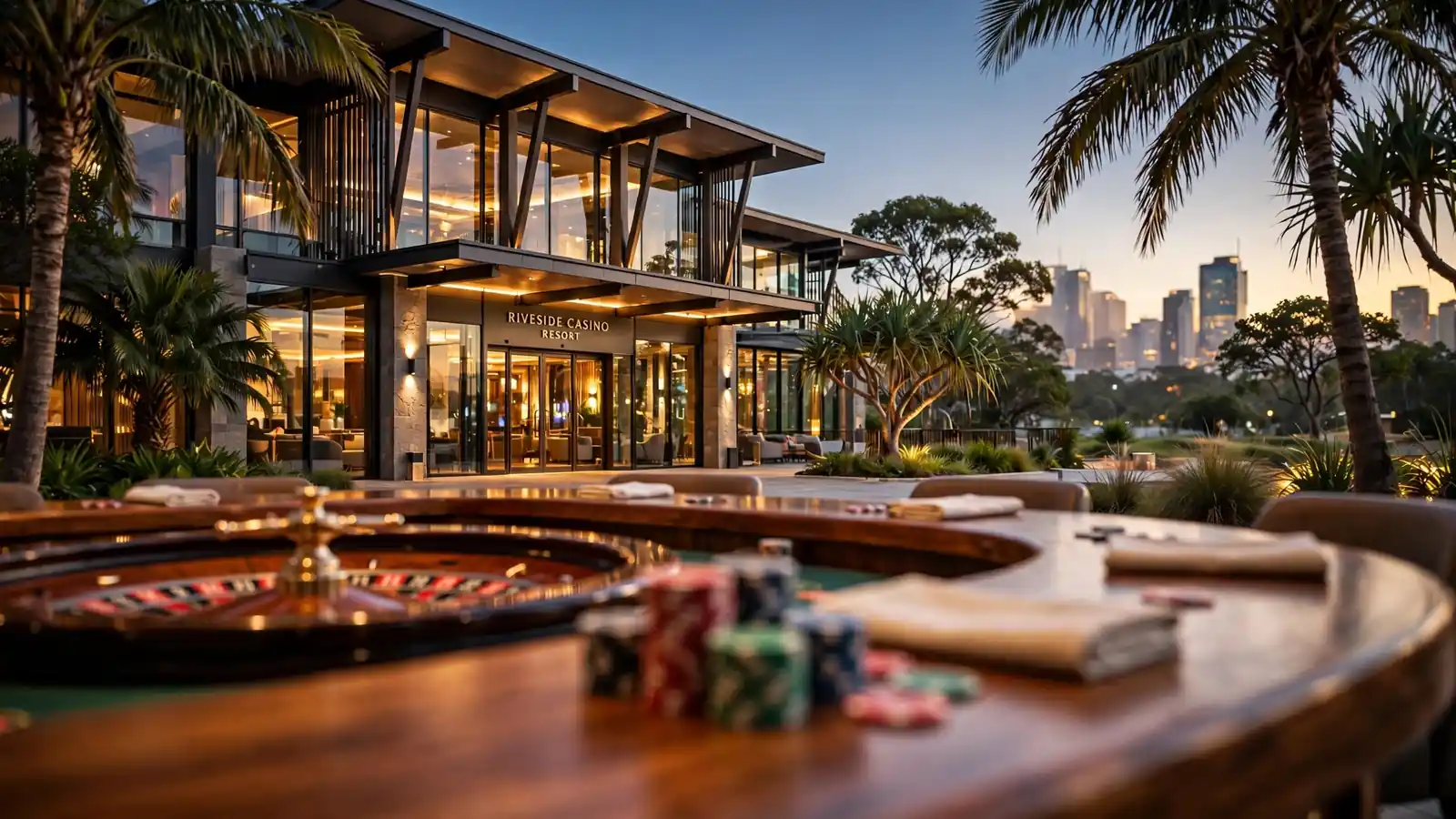
Breakfast at a casino resort belongs to the quieter arithmetic of a visit: the room, the morning meal, the distance between one and the other. A buffet can suggest abundance and ease, especially when a stay is organised around the venue. But the words “casino breakfast” do not establish what a particular Western Australian property serves, whether breakfast is included with a room, or whether a buffet is operating. Those are details to confirm with the venue rather than infer from its resort identity.
The distinction matters because a casino is not one economy. There is the visible business of hospitality, with rooms and meals, and the less visible business of employment: service, kitchen, maintenance, administration and gaming-floor work. Searches for casino jobs in Western Australia point towards that second world, but a job title or vacancy cannot be responsibly invented from the general idea of a resort. Current openings, duties, conditions and recruitment arrangements belong to the employer’s own notices. The prospect of a large venue does not itself tell anyone who is hiring.
Rewards programmes sit between these interests, inviting a person to read a visit as a relationship that accumulates value. Online casino bonuses use similar language, though the arithmetic is different and the conditions deserve more attention than the headline. Free spins, for instance, may come with a wagering condition attached to their winnings before withdrawal. A specialist review has reported a requirement of 30 times the winnings; that is a particular reported term, not a universal rule. Another account, published by psu.com, describes free-spin wagering requirements in a range from 20 to 50 times. Terms vary, and the stated condition is what matters.
Wagering Conditions
Free spins often come with wagering requirements, which some reports state can range from 20 to 50 times the winnings before withdrawal is possible.
A further detail is how pokies count towards a wagering requirement. They may contribute the full amount wagered, but that does not make the requirement disappear: it describes how play is counted, not whether a bonus is easy to clear. The distinction is easy to lose beneath the promotional language. A reward can look like a gift and behave like a contract.
That is where resort rewards and online bonuses part company. A venue’s hospitality or loyalty offer has its own rules and should not be assumed to mirror an online promotion; nor should an online bonus be treated as a discount on breakfast or a room. For online casino games, the legal setting in Australia is especially important: the Interactive Gambling Act 2001 prohibits operators from providing real-money casino games to people in Australia. A bonus does not change that boundary.
The search for breakfast is ordinary, and the search for work is practical. The bonus economy is neither. Its conditions are written in the small print, where generosity tends to become a calculation.
Opening Hours, Entertainment and the Question of Development
“Is the casino open?” sounds like a question with a simple answer. In practice, it can refer to a venue’s general operating hours, a particular gaming area, a scheduled performance or a temporary closure. Those are different things, and a broad statement about opening times cannot settle every one of them. Hours and access arrangements can change, so current venue information is the sensible place to confirm whether a visit is possible on a particular day.
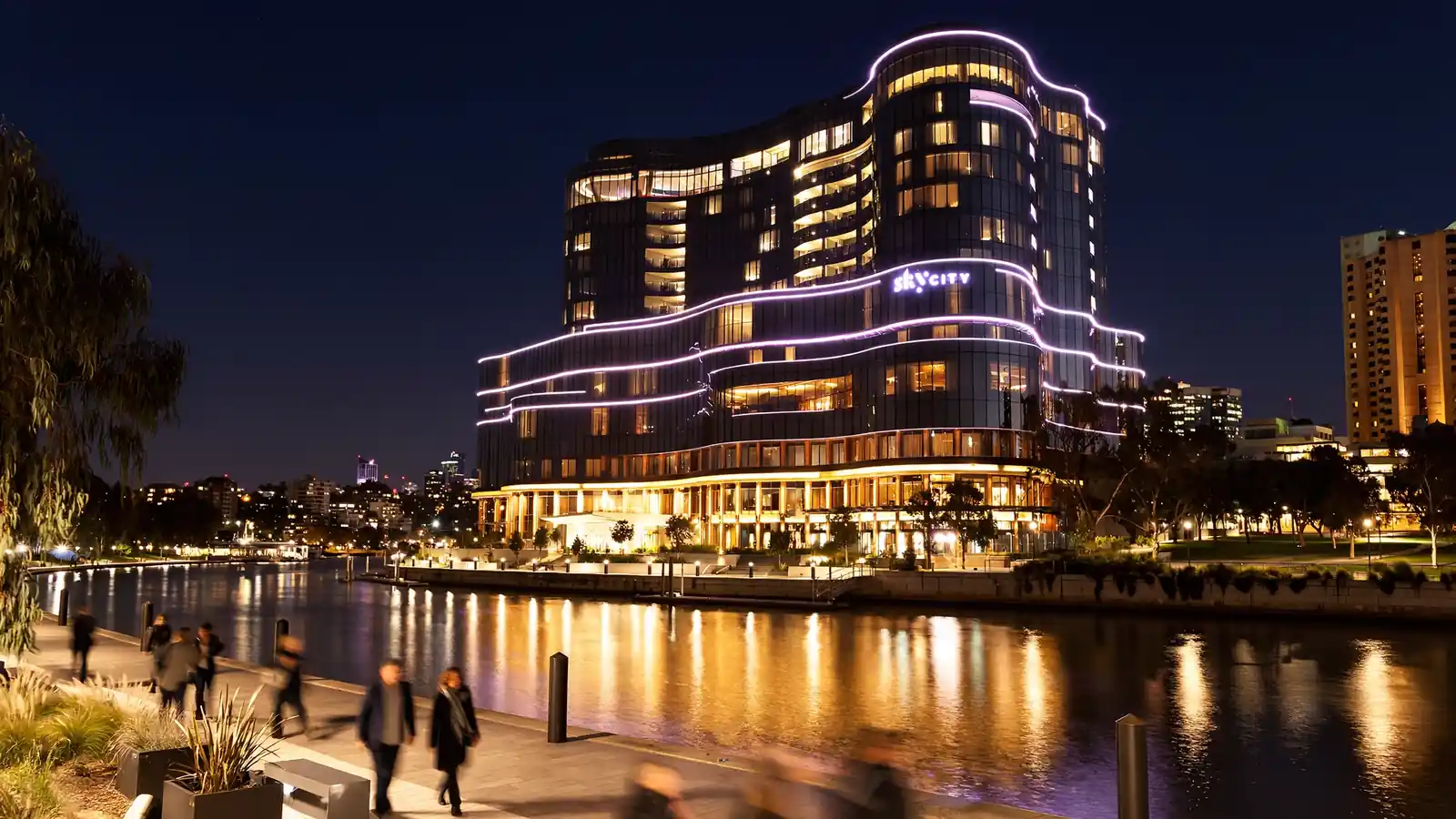
The same care applies to reopening claims. A temporary interruption, a change to one part of a property and a full return to normal operations are not interchangeable events. A headline about a reopening may describe only a specific service or space. Without a current, attributable announcement, it is better not to treat the word as confirmation that an entire casino has resumed every activity.
Entertainment adds another moving part. A venue may be associated in people’s minds with live performances, special events or a busy calendar, but that association is not an event listing. Dates, performers and access conditions belong to individual announcements. An old listing can linger in circulation after its event has passed; a general impression of the venue cannot replace a current programme. The calendar is the evidence.
Development raises a larger question than whether the doors are open. The word may describe a proposed project, planning work, construction, refurbishment or a change in how an existing property is used. These stages carry different implications for workers, nearby businesses and the public. A proposal is not a completed project; a plan is not a confirmed opening date. In a city, development is never merely a matter of new walls. It can alter the shape of a district and the way people move through it, but those consequences should be tied to an identifiable project rather than attached to a vague promise of change.
Employment searches sit beside development for a reason: new or altered operations can prompt questions about work. Yet interest in casino employment does not establish that vacancies exist, or that a particular project will create them. Job titles, recruitment periods and conditions are details that need a current employer notice. A hopeful inference is not a position.
Employment Note
Interest in casino development or the size of a venue does not guarantee vacancies; recruitment details must be verified via current employer notices.
A review has a different job again. It may describe atmosphere or a visitor’s experience at one moment, while saying little about today’s hours, events or construction. Such accounts can help explain what a venue felt like; they are poor substitutes for operational updates.
For a Western Australian casino, the useful distinction is between a standing impression and a dated fact. Opening information, entertainment announcements and development news should each be checked in their own context. The small print matters.
Restaurants as Part of the Casino Destination
A restaurant can change the shape of a casino visit. It gives the evening a purpose beyond gambling: a table becomes a meeting point, a pause between activities, or the reason a group arrives together. For a casino in Western Australia, that distinction matters. The venue may be imagined as a single destination, but dining is its own part of the experience, with questions of menu, atmosphere, opening times and booking arrangements that cannot be answered by the casino name alone.
The phrase “casino restaurant” can suggest a settled package: arrive, eat, stay on site. In practice, those are separate decisions. A restaurant’s location within or near a casino does not, by itself, establish what it serves, whether it is operating on a particular date, or whether it suits a quiet meal or a celebratory one. Venue details can change; a dining plan built on an old listing may prove less durable than the building around it.
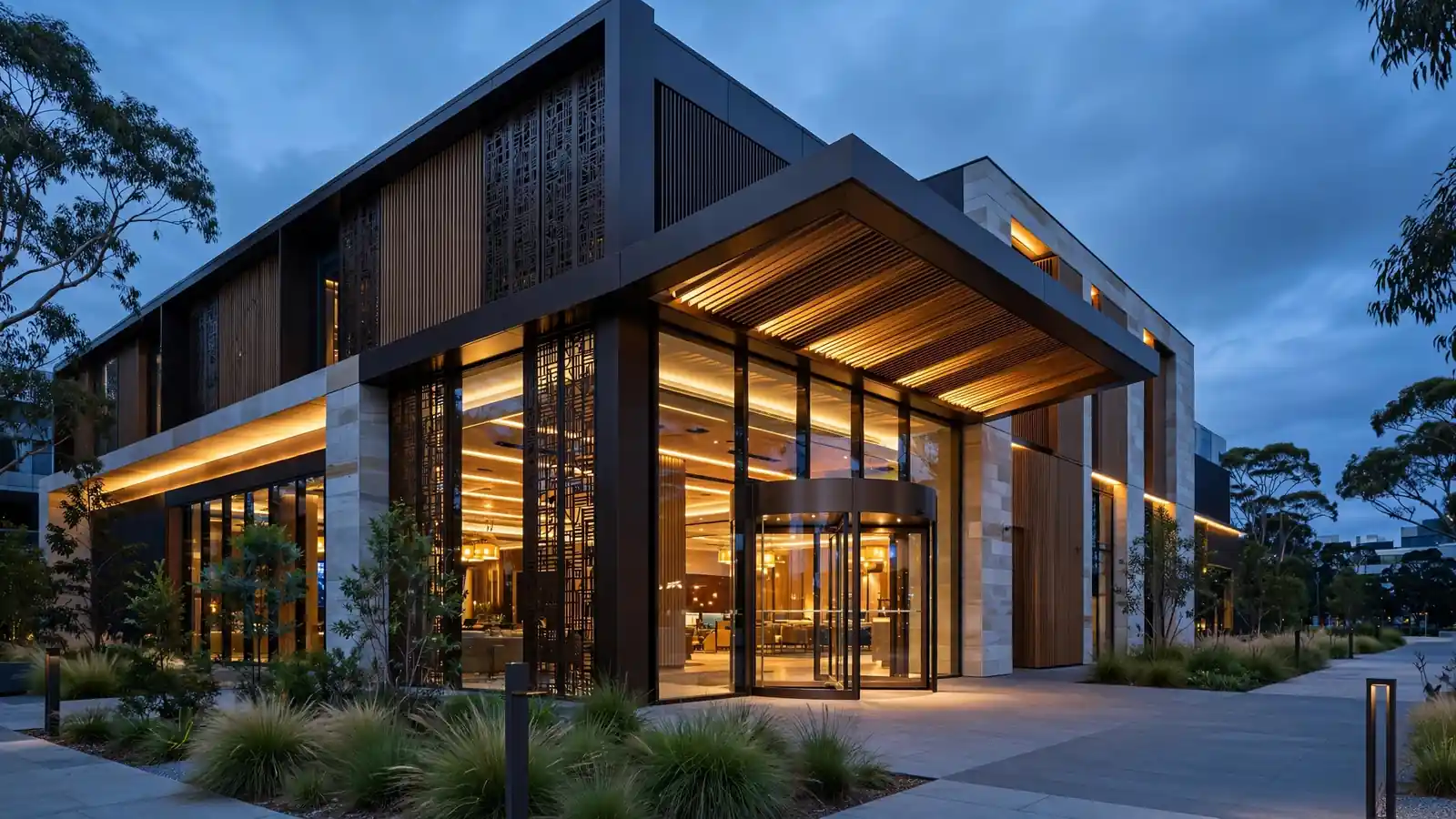
That is why restaurant information is best treated as specific to the individual venue and occasion. Menus indicate more than cuisine: they show whether a place is organised around a long dinner, a quick meal, or a particular dietary preference. Booking conditions and service times matter too, especially when dining is meant to precede a show or another fixed appointment. None of these details can safely be inferred from the words “casino dining”.
There is also a social point. Casinos gather people with different reasons for being there, and a restaurant can offer common ground without requiring a shared interest in gaming. One person may come for the meal; another for the company; a third may regard dinner as the centre of the evening. The casino is then not merely a gambling floor with food attached, but a destination whose parts serve different purposes. A modest idea, though not always a modest bill.
Restaurant searches should not be confused with searches for breakfast or buffets. Those describe different dining formats and call for their own details; a restaurant listing does not establish that either is available. Nor does the presence of dining imply a rooftop setting. A rooftop restaurant or bar is a distinct feature, not a synonym for a casino restaurant, and its existence needs confirmation for the venue in question.
For anyone comparing casino restaurants in Western Australia, the useful distinction is between the destination’s general reputation and the particulars of the dining room. Menus, booking policies, service hours and current operation are the particulars. Without them, “restaurant at the casino” remains a location, not a recommendation.
Dining Considerations
Menus, booking policies, and service hours are specific to each venue. A restaurant’s presence does not automatically imply the availability of breakfast, buffets, or rooftop settings.
Spa Searches, Addresses and the Details That Need Checking
A spa attached to a casino can sound like a natural extension of the destination: one building, several ways to spend an afternoon, and a carefully blurred line between leisure and wagering. But a search for a casino spa in Western Australia is not proof that a particular venue has one. Facilities can change, and similar names can make a hotel, a casino and a separate business appear to be a single operation. The distinction matters before travel is planned around a treatment or day-spa visit.
The same caution applies to addresses. A venue’s postal address, hotel entrance, parking access and public entrance may not lead to the same place. A map pin can be useful for orientation, but current directions and the venue’s own contact information are better checks for where guests should actually go. The small print of a journey is often the part that decides whether the day begins calmly.
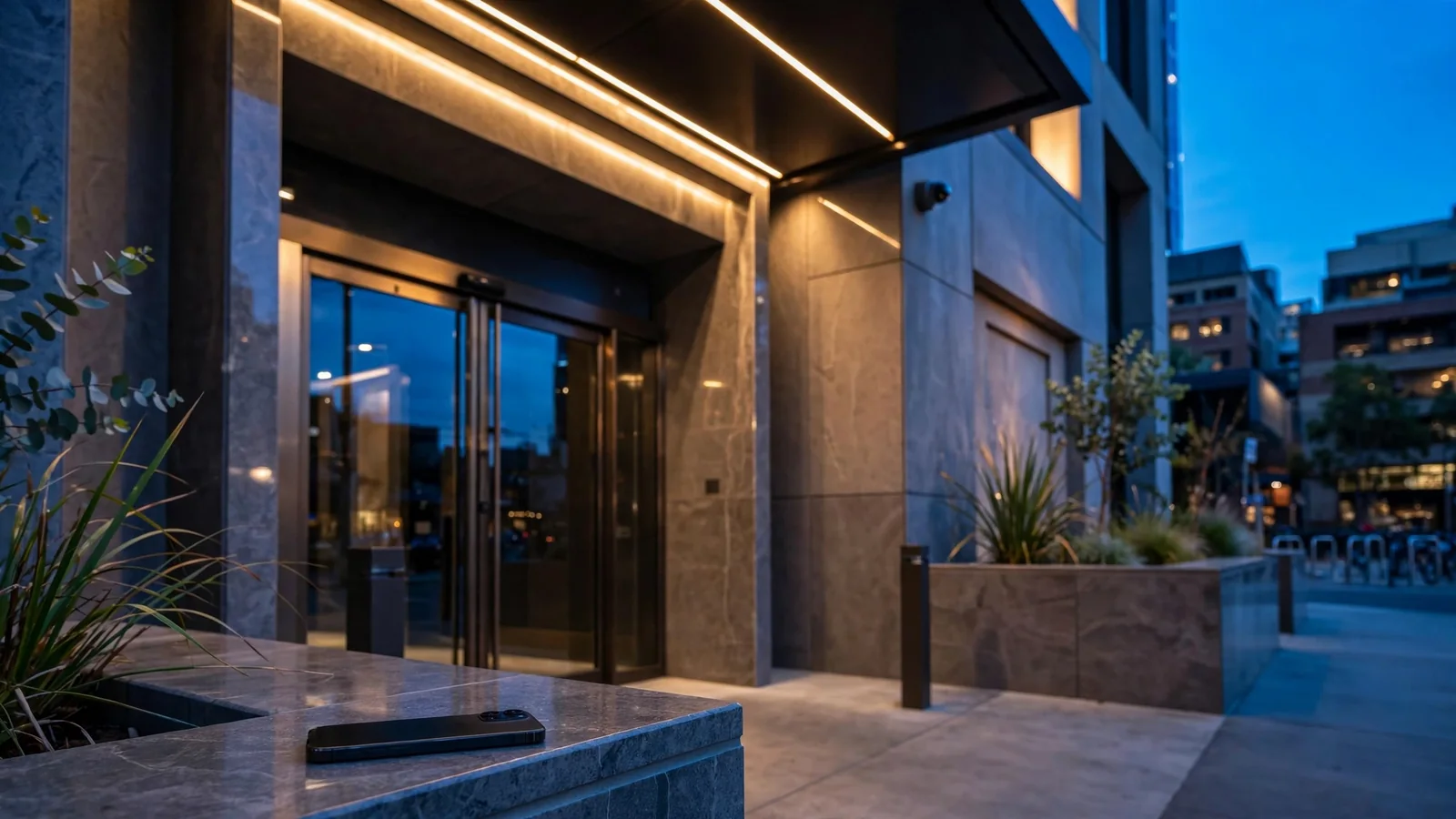
Bars are another detail easily assumed from the word “casino”. A bar may belong to a hotel or restaurant rather than the gaming venue, and its access rules, opening times and reservations may differ. Those are practical questions for the business itself, not facts that follow from a venue’s name. The same goes for dress codes: a general impression of a smart evening out is no substitute for an explicit policy, particularly where a visit includes more than one business under one roof.
Careers searches deserve similarly precise reading. A job listing should identify the employer and workplace, since a casino complex can contain independent hospitality operations as well as gaming businesses. The title alone may not reveal the actual duties, location or employment conditions. A polished venue can have a complicated organisation behind it.
The phrase “casino games” also covers different things. In a physical venue, it may mean games offered on site; online, it can mean digital casino services. These are not interchangeable. Under the Interactive Gambling Act 2001, operators cannot provide real-money online casino games, including slots, poker and table games, to people in Australia. That boundary is worth keeping clear when a venue name appears beside an online offer.
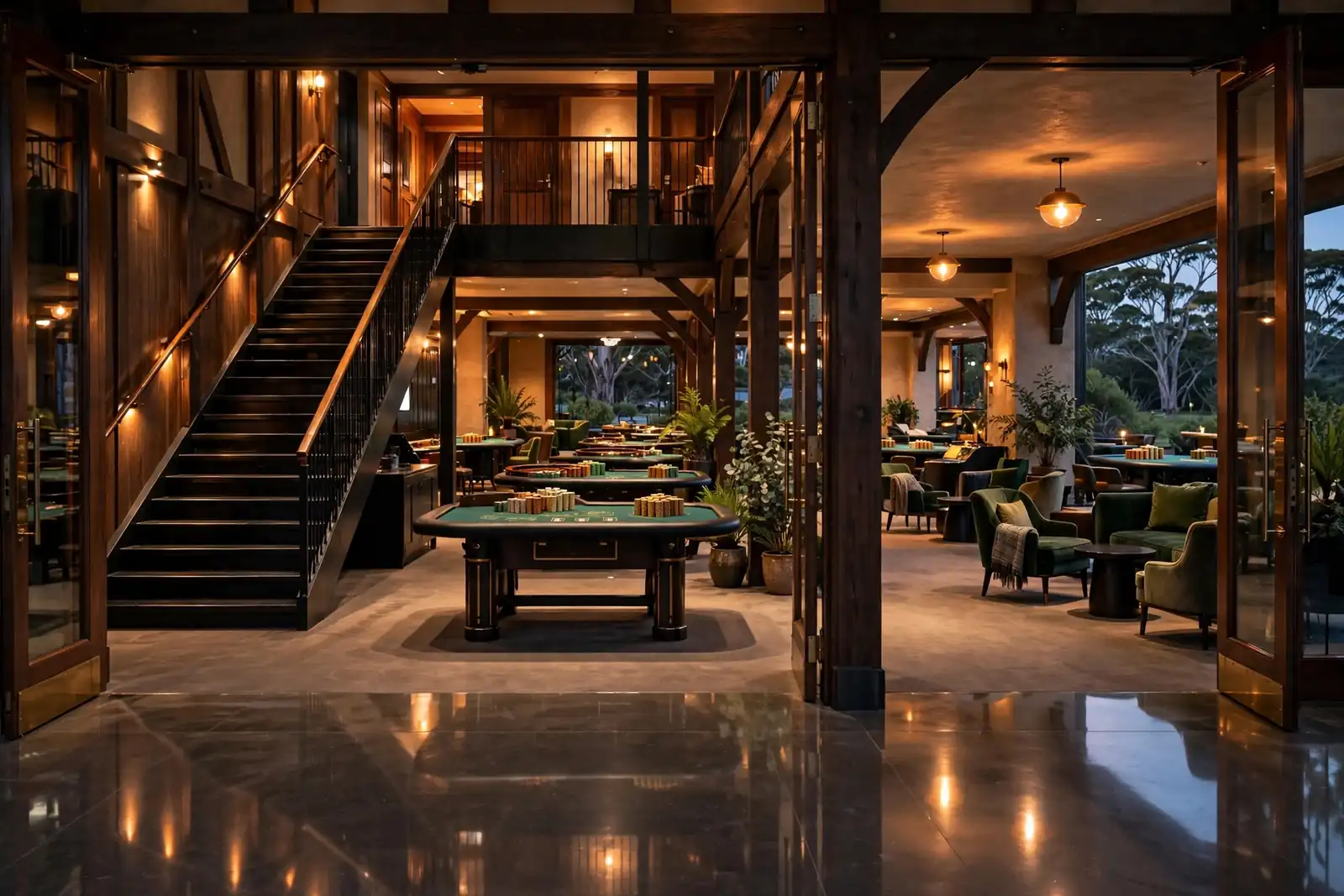
Spa, address, bar, career and dress-code details are ordinary logistics, but they are also the details most likely to be assumed from a photograph or a familiar brand. Confirming each with the relevant business is less glamorous than planning the visit. More reliable, too.
Food and Pool: Two Searches, Little Verified Detail
Food and pool point to different expectations of a casino visit. One is about finding something to eat; the other imagines leisure beyond the gaming floor. Neither expectation can be safely inferred from the word casino. A venue may be known for gaming without that label establishing what other facilities it provides.
A food court suggests a particular kind of arrangement: several food options gathered in a shared area, often with a less formal feel than a restaurant. But the phrase alone does not establish that a Western Australian casino has one, what it serves, or whether it is operating when a visit takes place. General food availability is a separate question, and broad descriptions can blur the difference between a dedicated dining venue, a counter service and a shared food-court space.
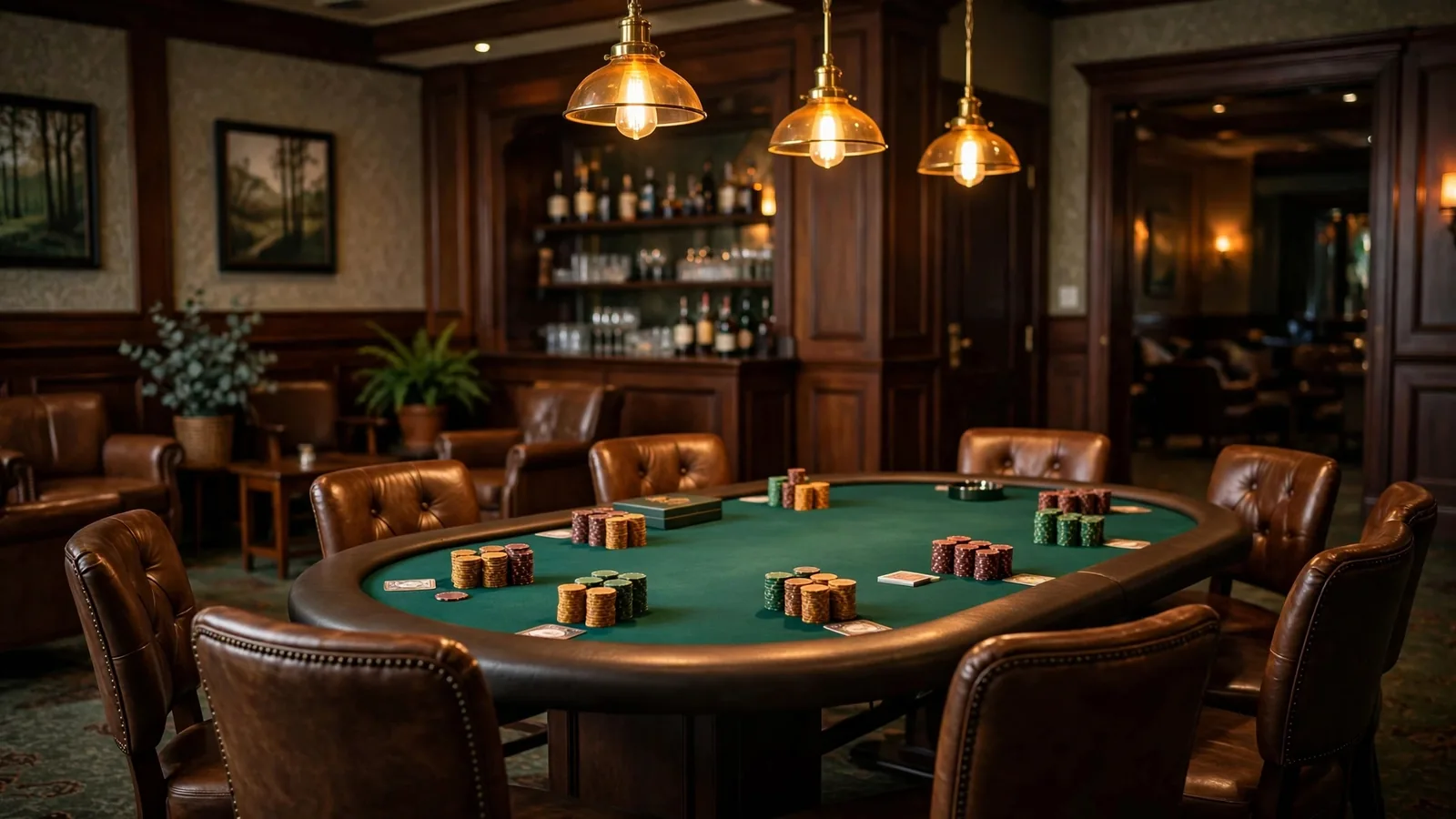
The same caution applies to a pool. It might mean a swimming facility, a hotel amenity or simply a hoped-for addition to a casino stay. Those are not interchangeable. A pool is not an automatic feature of a casino, and a hotel’s presence does not, by itself, establish access to one.
The practical distinction is modest but useful: food and pool are amenities to confirm for the particular property, not qualities guaranteed by the category. Current venue information can clarify whether a facility exists, its location and any conditions attached to using it. Where those details are not stated clearly, the absence of an answer should not be filled with assumptions drawn from another casino or another city.
That restraint matters because hospitality language can make a destination seem more complete than its confirmed facilities warrant. A meal may be central to one visit; a pool may be irrelevant to another. The casino label settles neither question.
Are online casino-style games restricted in Australia?
Yes. The Interactive Gambling Act prohibits operators based in Australia from offering online casino games such as pokies, blackjack and roulette. Offshore sites are not regulated under Australian law, although it is technically legal for Australian players to use them.
How does region blocking work?
Online casinos can use a player’s IP address to identify their apparent location and block access from excluded countries. A blocked game may not appear in the lobby or may fail to load.
Is there a way around region-blocked pokies?
A VPN can make a player’s digital location appear to be in another country, but it does not guarantee access to a game. Casinos or game providers may still restrict access under their licensing rules.
Written by the editors at Cuntspin Casino.