Casino in Canberra: What the Search Establishes
 Available in AU
Searches for hotels, poker, dining and facilities are assessed without treating unverified listings or amenities as established facts.

Table of Contents
- A Canberra Casino Hotel: What the Search Does—and Doesn’t—Establish
- Poker Rooms and Tournaments: The Canberra Details Still to Confirm
- Casino Games, Bars and Entertainment in Canberra
- Online Casino Searches Meet Australia’s Legal Boundary
- Where to Stay Near a Canberra Casino
- Breakfast, Rewards and the Fine Print on Online Bonuses
- Opening Hours, Events and the Question of What Is Open
- Address, Dress Code and Spa Searches: Details Not Yet Verified
- Restaurants at a Canberra Casino: No Menu Claims Without Evidence
- Food and Pool Facilities: What Can Be Confirmed
A Canberra Casino Hotel: What the Search Does—and Doesn’t—Establish
A casino hotel in Canberra is a neat phrase for a particular kind of stay: a hotel joined to a casino, with a room and gambling under one roof. The phrase is not, by itself, evidence that such a property exists in the city. It expresses an expectation about how a venue might be organised, not a confirmed address or business.
That distinction matters because “casino hotel” can suggest more than a bed beside a gaming floor. It may imply rooms sold by the venue, a direct booking desk, packages combining accommodation with casino access, and amenities shared between hotel guests and other visitors. Each is a separate claim. One cannot be safely inferred from the label alone.
The same caution applies to room searches and advertised deals. A price is meaningful only when attached to an identifiable property, dates, room conditions and booking terms. Without those particulars, there is no sound basis for describing a Canberra casino hotel’s rates, room types or special offers. A deal-shaped phrase is still only a phrase.
For readers in Canberra considering online casino options, this list offers a concise reference to the available operator details. Use the information provided to assess what is relevant to you.
License: Curacao · Payout speed: crypto 30-60 minutes, fiat 1-5 days · Min. deposit: A$10 Wild Tokyo lists a Curaçao licence and a minimum deposit of A$10. Its stated payout times are 30–60 minutes for crypto and 1–5 days for fiat.
License: Curacao Golden Pokies lists a Curaçao licence. No further operator details are available here.
License: international iGaming licence – jurisdiction not named in the source · Payout speed: PayID 1-24 hours · Min. deposit: A$30 (PayID from A$10) House of Pokies lists an international iGaming licence, though the jurisdiction is not named. Its stated PayID payout time is 1–24 hours; the minimum deposit is A$30, or A$10 with PayID.
License: Curacao eGaming (Dama N.V.) JeetCity Casino lists a Curaçao eGaming licence held by Dama N.V. No further operator details are available here.
License: Curacao Gaming Control Board JustCasino lists a Curaçao Gaming Control Board licence. No further operator details are available here.
License: Curacao Gaming Control Board OGL/2023/176/0095 (Hollycorn N.V.) Rollero Casino lists Curaçao Gaming Control Board licence OGL/2023/176/0095, held by Hollycorn N.V. This licence information is the available detail for this operator.
License: Curacao (operating since 2017) · Min. deposit: A$20 Uptown Pokies lists a Curaçao licence and has been operating since 2017. Its minimum deposit is A$20.
License: Curacao Gaming Authority (Jumpman Gaming Ltd) DragonSlots Casino lists a Curaçao Gaming Authority licence held by Jumpman Gaming Ltd. No further operator details are available here.
License: Curacao Gaming Control Board OGL/2023/176/0095 (Hollycorn N.V.) Neospin lists Curaçao Gaming Control Board licence OGL/2023/176/0095, held by Hollycorn N.V. The licence is the available detail for this operator.
Payout speed: crypto under 1 hour, PayID 1-3 business days · Min. deposit: A$20 (A$30 to qualify for the bonus) Ricky Casino lists crypto payouts in under an hour and PayID payouts in 1–3 business days. Its minimum deposit is A$20, or A$30 to qualify for the bonus.
Nor does the word “hotel” settle what the experience would include. It does not tell whether rooms are on site, whether casino access is part of a booking, or whether any package exists. It says nothing reliable about check-in arrangements, guest facilities or cancellation conditions. Those details belong to the property and its current terms, not to the general idea of a casino stay.
The distinction can seem fussy. It is also how commercial language works: a familiar category can feel like proof, especially when it combines two services people know exist separately. Yet the existence of hotels in a city does not establish a hotel operated alongside a casino, just as a casino-related search does not identify a hotel business. The words do not do the work of a booking confirmation.
Hours are another matter. A hotel’s reception arrangements and a casino’s operating schedule would be different operational details, even if both belonged to one complex. One cannot establish the other. A room reservation would not, by itself, confirm when a gaming area is open; nor would a casino schedule establish that rooms are available. Both require property-specific information.
This is why “casino hotel” should be treated as a description to verify, rather than a Canberra venue type already settled by repetition. Repeated phrasing gives a category an air of familiarity. Familiarity is not confirmation.
There is a broader social story in the appeal. The combined hotel-and-casino model promises a frictionless evening: entertainment downstairs, a room upstairs, no need to leave the building. It packages leisure as a single destination and makes the boundary between hospitality and gambling almost invisible. That arrangement may be familiar elsewhere. It cannot simply be carried across a map and assigned to Canberra.

For a hotel-specific claim to be useful, the property needs to be identifiable and its own current details need to support the claim. A room offer should lead to a real accommodation listing; amenities should be stated by the property; and any connection between a hotel and casino should be explicit rather than suggested by a broad label. Otherwise, the language is doing more than the evidence can bear.
The phrase “Canberra casino hotel” therefore describes an intended kind of stay, not a booking-ready fact. Until a specific property and its terms can be established, claims about rooms, packages, rates, amenities or linked casino hours remain ungrounded. A polished offer is no substitute for a named place.
Poker Rooms and Tournaments: The Canberra Details Still to Confirm
A poker room is a specific promise: tables set aside for poker, staff who run the games, and rules that distinguish a scheduled tournament from a casual cash game. The phrase “casino poker” can suggest all of this at once, but it does not establish that a Canberra venue has a dedicated room, regular tournaments or even poker on its current programme. Those are separate details, each requiring confirmation from the venue itself.
Tournament listings deserve particular care. A tournament may be a one-off event rather than a standing feature; a poker night may be social play rather than a formally organised competition. Useful details would include the event’s date, format, entry conditions, registration process and whether places are still available. Without a current listing, none of those arrangements should be assumed. A past event is not a calendar.
Attention: A past event is not a calendar; promotional language can be evergreen, but an event date cannot.
The distinction matters because poker is unusually dependent on organisation. Unlike a room that simply contains gaming equipment, a tournament needs a structure: a schedule, a format and someone responsible for administering play. A photograph of tables, an old event notice or a broad description of a venue cannot settle whether a tournament is taking place now. Promotional language can be evergreen; an event date cannot.
“Casino rooms” can also mean two different things. It may refer to a poker room within a casino, or to accommodation rooms associated with a casino property. The words alone do not show which is meant. That ambiguity can send a booking search in one direction and a night of cards in another, though neither interpretation identifies a particular Canberra facility.
A sports bar attached to a casino is another distinct amenity, not evidence of poker tables or tournaments. The two may appear together in a venue’s broader entertainment offer, but one does not prove the other. Nor does the presence of a bar establish that it screens particular sports, hosts poker events or shares operating arrangements with a gaming area. Those details belong to the venue’s current information, not to the general idea of a casino.
There is a broader Australian distinction behind the language. Poker played in a physical venue and poker offered as an online casino game are not interchangeable propositions. The Interactive Gambling Act 2001 prohibits operators from providing real-money online casino games, including poker, to people located in Australia. That legal boundary concerns online services; it does not confirm whether a local room exists, what games it runs or whether a tournament is scheduled. Different questions, different evidence.

For anyone planning around a local poker event, the dependable record would be a current venue notice or direct confirmation of the date, format and registration arrangements. Details can change, and an old listing can linger long after its event has ended. A room name on a map is not a tournament schedule; a tournament announcement is not proof of a permanent poker room.
The careful reading is the plain one: Canberra poker-room facilities, tournament dates and associated room arrangements should not be treated as established merely because those phrases appear together in a venue description. A firm claim needs a current, specific announcement. Otherwise, the cards remain face down.
Casino Games, Bars and Entertainment in Canberra
A search for baccarat or craps in Canberra can sound like a request for a particular table, but the name of a game does not establish that a local venue offers it. A familiar game name is not a local listing.
The distinction matters because a physical venue and an online gambling service are not interchangeable. Under the Interactive Gambling Act 2001, operators based in Australia cannot provide real-money online casino games to people in the country; the restriction covers games such as blackjack, roulette, poker and pokies. That legal boundary says nothing about which games, if any, a particular Canberra venue makes available in person. One does not fill in the other.
Legal Restriction
Under the Interactive Gambling Act 2001, operators based in Australia are prohibited from providing real-money online casino games to people located in the country.
Nor does the word “casino” establish the presence of a bar, car park or concert programme. These are separate facilities and services, each of which needs its own confirmation. A bar listing would need to identify the venue and its current offering; a parking reference would need to establish whether parking is available and how it operates. Concert details require an event listing, not an assumption drawn from the type of venue. Familiar expectations are not evidence.
Maps and contact details are practical for much the same reason. A map should point to a confirmed address, while a phone number should connect to the relevant organisation. A search result or an old directory entry may look precise while referring to something outdated or unrelated. Precision is not the same as confirmation.
There is a small social history in these expectations. The casino is often imagined as a compact evening itinerary: a game, a drink, perhaps a show, with a car park and a map making the whole arrangement feel settled before anyone arrives. That picture is culturally legible, but it does not prove that one Canberra address provides every part of it. Amenities accumulate in people’s mental image faster than they do in a verified venue description.
For online play, the legal distinction is not merely a technical footnote. Real-money online casino games offered to people in Australia by Australian-based operators are prohibited under federal law. Offshore platforms sit in a different and unsettled position: they are not regulated under Australian law, even though it is technically not illegal for Australian players to use them. That does not turn an offshore game lobby into evidence of a local casino, nor does it verify a physical venue’s games, bar or entertainment.
The modest answer is the useful one: baccarat, craps, a bar, parking, concerts, a map and a contact number all need venue-specific confirmation before they can be treated as Canberra offerings. Online games belong to a separate legal and practical question. A search for one cannot settle the other.
Expectations travel quickly. Evidence travels more slowly.
Online Casino Searches Meet Australia’s Legal Boundary
A Canberra casino and an online casino reached from Canberra belong to different legal and practical categories. The first would be a physical venue, whose existence and facilities need to be established separately. The second is a remote gambling service, and Australian law draws a firm line around who may provide it to people in the country.
Under the Interactive Gambling Act 2001, operators based in Australia cannot offer real-money online casino games to people physically located here. Pokies, blackjack and roulette fall within that restriction. It is not a question of whether a website uses Australian branding or whether its games look familiar: the law concerns the provision of the service to customers in Australia. Sports betting has a different legal position, but that does not make online casino games lawful for Australian-based operators.
Offshore platforms create a less tidy picture. Australian players are not criminally liable simply for using one, but that does not make the service lawful or regulated in Australia. The Interactive Gambling Act restricts operators from supplying prohibited interactive gambling services to people here, while offshore platforms sit outside the protections of Australian regulation. Their availability should not be mistaken for approval. Access may also be blocked or enforced against; a website appearing online is no certificate of legitimacy.
While Australian players are not criminally liable for using offshore platforms, such services are not regulated under Australian law and lack local protections.
This distinction is easy to lose in the language of convenience. A page may describe an offshore casino as “available in Australia” and mean only that it can be reached, not that Australian law regulates it or stands behind its terms. If a dispute arises, the local framework does not provide the protections that a locally regulated gambling service would imply. A familiar currency, local-looking design or Australian-themed promotion changes none of that.
The law is less interested in the scenery of a website than in the service being supplied. That is why an online casino cannot be treated as a digital extension of a Canberra venue. Nor does a search for a local casino establish that a venue offers online play, or that any online service carrying a Canberra label has a local licence. The word “casino” travels easily across a screen. Jurisdiction does not.
For residents, the meaningful distinction is between a physical venue and remote casino gambling, not between one offshore site’s presentation and another’s. Australian law prohibits operators from providing online casino-style games to people in Australia, and offshore operators are not regulated under Australian law. Those propositions can coexist with the fact that a player is not criminally liable merely for using an offshore platform. They describe different sides of the same boundary: the provider’s legal position and the player’s.
An online offer is not a local entitlement. And a local-sounding name is not a local safeguard.
Where to Stay Near a Canberra Casino
Accommodation near a casino is a different proposition from staying in a casino hotel. The first is about the relationship between a place to sleep and a destination; the second implies the venue itself provides rooms. That distinction matters in a city break, where a booking can be convenient on a map yet poorly suited to the actual plan.
“Near” is not a useful measure on its own. It might mean a short walk, an easy drive or simply the same broad part of the city. A sensible comparison begins with the venue’s precise address, then considers the route between that point and the accommodation. Straight-line distance can flatter a map while saying little about the journey on foot or by car. The details are less glamorous than a promotional photograph. They are also the ones that determine whether a late return is straightforward.
The phrase “Canberra casino accommodation” can also blur two separate questions: whether there is a casino venue to visit, and where a traveller might stay in relation to it. A hotel listing does not establish a connection with a casino, and proximity alone does not imply a partnership, package or special rate. Those distinctions are easily lost when travel language compresses location, entertainment and lodging into one promise.
Deals deserve the same restraint. A reduced nightly rate can depend on dates, room type, cancellation rules and what is included in the price. “Casino promotion” may refer to an offer from a venue rather than a hotel, while an accommodation deal may have no connection to gaming at all. The label is not the terms. A useful comparison looks at the total price and conditions, not merely the headline discount.
Do
- Establish the destination’s precise address
- Identify the accommodation’s actual location
- Compare full costs and travel routes
Don’t
- Rely on the term “nearby” as a promise
- Assume proximity implies a partnership
- Trust headline discounts without terms
Transport and parking belong in that calculation, but they should be treated as practical questions rather than assumed benefits. A property may charge for parking, provide none, or require a separate arrangement; a casino may have its own access conditions. The journey between the two matters too, particularly when plans involve an evening visit. Checking the route, transport options and parking arrangements before booking is more reliable than treating “nearby” as a promise of easy access.
There is a broader habit at work here. Travel listings often turn proximity into atmosphere: a room becomes part of a night out simply because the destination appears in the same sentence. Yet accommodation is still a separate purchase, with its own cancellation policy, inclusions and location trade-offs. The casino may be the reason for the trip, but it does not make every nearby room a casino stay.
For anyone planning around a Canberra casino, the practical sequence is plain: establish the destination, identify the accommodation’s actual location, then compare the full cost and the journey between them. A room should stand on its own merits, even when the itinerary has a particular centre of gravity. Convenience is a route, not a slogan.
Breakfast, Rewards and the Fine Print on Online Bonuses
Breakfast, buffet and rewards searches belong to the familiar language of a resort: a meal to start the day, a dining room for a longer stay, points gathered through repeat visits. Those phrases do not, by themselves, establish that a Canberra casino venue has a breakfast service, buffet or rewards programme. Nor do they confirm a resort attached to a casino. Each is a specific service, and each needs current venue information before it can be treated as an offering.
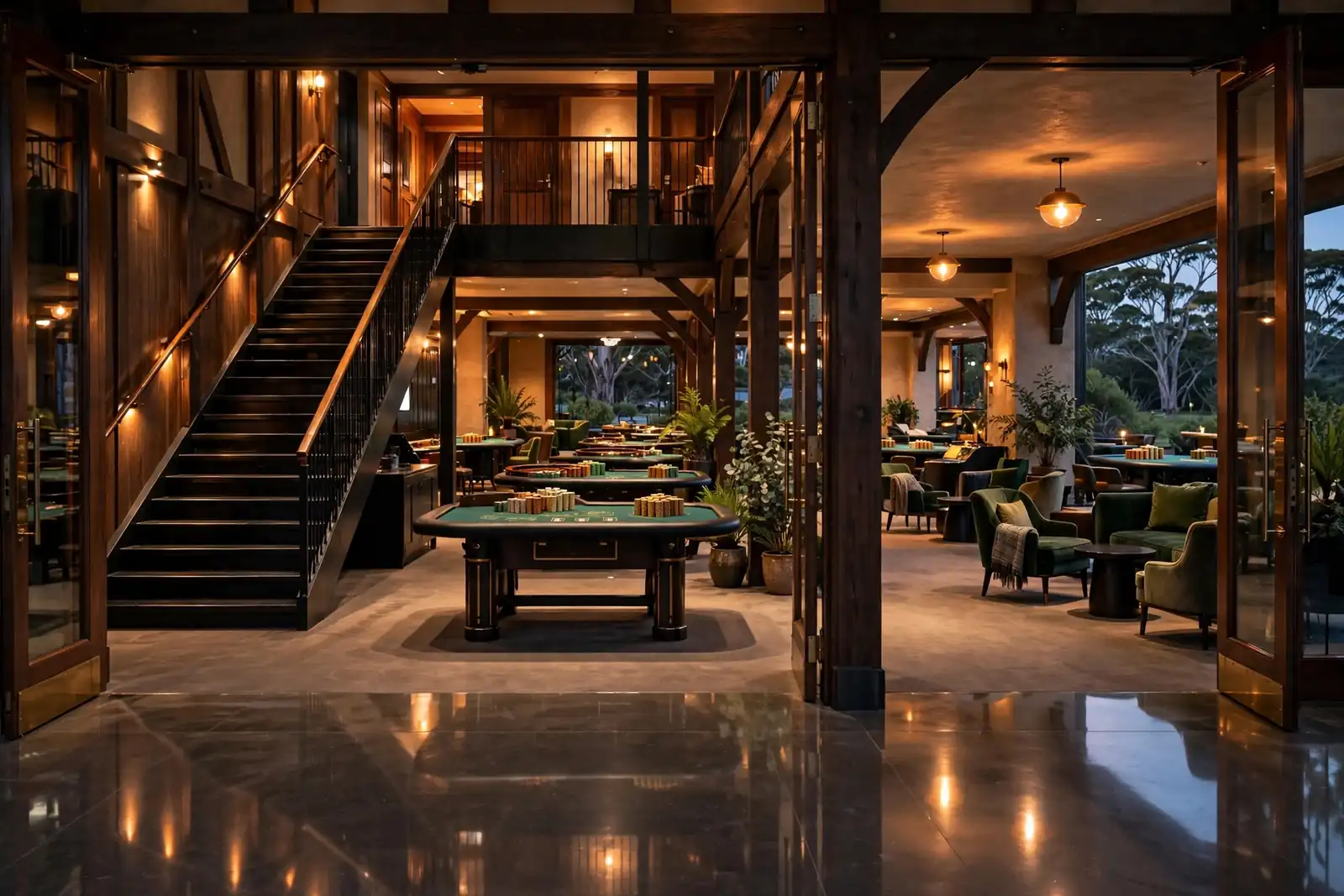
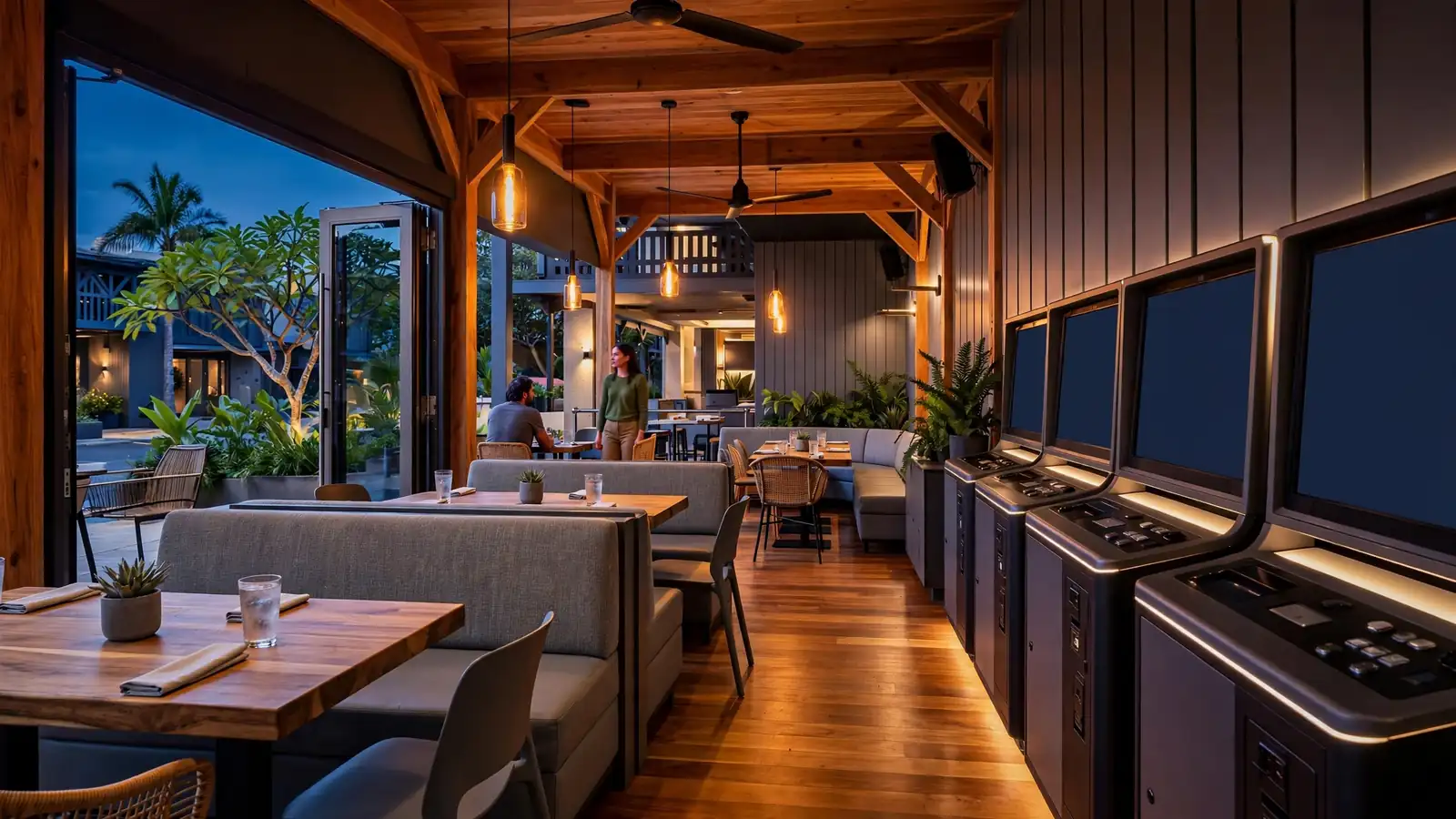
Jobs searches sit in a different register. They concern employment rather than hospitality or loyalty schemes, and a phrase such as “casino jobs in Canberra” does not establish that a venue is hiring. Vacancies, roles and application details require an employer’s current notice. The distinction matters: a search term can point toward a service or opportunity without confirming that it exists.
Online casino promotions are a separate subject again. A free-spin offer is not evidence of a local breakfast, buffet or rewards scheme; it is a marketing device attached to online gambling. Its headline can sound uncomplicated, while the conditions governing withdrawal are anything but. For people in Australia, the legal frame comes first: under the Interactive Gambling Act 2001, operators are prohibited from providing online casino-style games to people located in Australia. A bonus discussion should not be mistaken for an invitation to use such a service.
Where an offer is encountered, its terms may require winnings to be wagered before withdrawal. A report by psu.com puts free-spin wagering requirements in a range from 20x to 50x; that is a report about offers, not a reliable rule for every promotion. Separately, a specialist review describes a 30-times wagering condition for free-spin winnings. The figures illustrate why a bonus cannot be assessed by its advertised spin count alone. Conditions vary, and a reported term does not establish what any particular operator currently applies.
Common Online Bonus Restrictions
Bonus terms may include high wagering requirements, maximum cashout limits, or clauses allowing winnings to be voided. Restrictions may also apply to eligible games and the timeframe for use.
The arithmetic is only part of the fine print. Bonus terms may also contain high wagering requirements, a maximum cashout, or clauses allowing winnings to be voided. Restrictions can apply to eligible games, the time in which a promotion must be used, and which funds count toward its conditions. The precise wording matters more than the label “free”. A promotion can carry a cost in time, choice or forfeited winnings.
This is where rewards language deserves a little suspicion. Loyalty points at a venue and online bonus credits are not interchangeable benefits, even when both are presented as a thank-you for returning. One belongs to a venue programme whose rules and existence need confirmation; the other is governed by online terms and Australia’s legal restrictions. The resemblance is mostly rhetorical.
The sober distinction is simple: breakfast, buffet, resort facilities, rewards and vacancies are venue-specific matters; online free spins are a different, legally restricted category. None can be inferred from the wording of another. Promotions are not hospitality.
Opening Hours, Events and the Question of What Is Open
Whether a casino in Canberra is open is a question about a particular venue, not a conclusion that can be drawn from the word “casino” appearing in a listing or an old announcement. A current opening status needs a confirmed venue and an up-to-date statement from its operator. Without those, neither “open” nor “reopening” is a sound description.
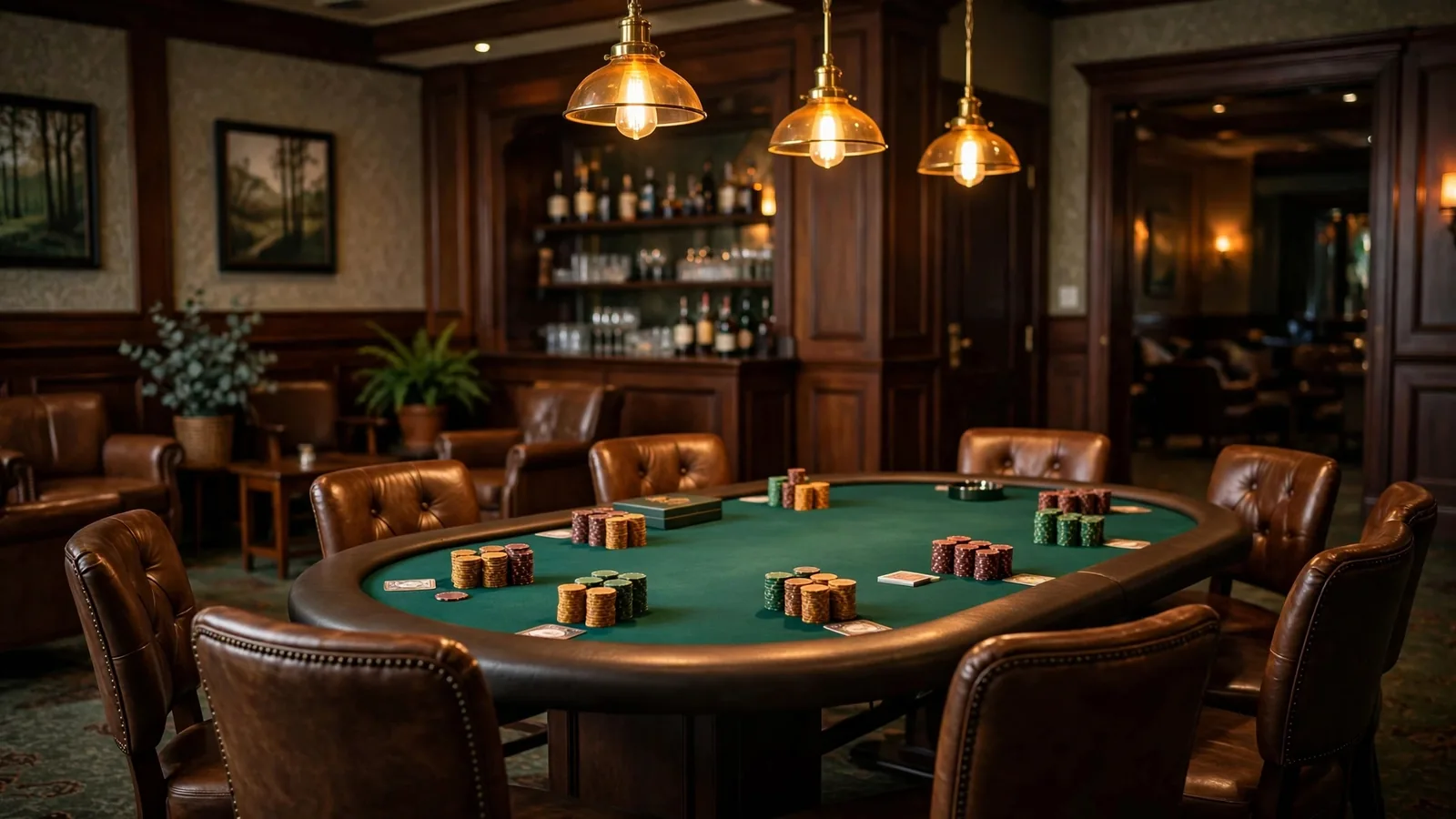
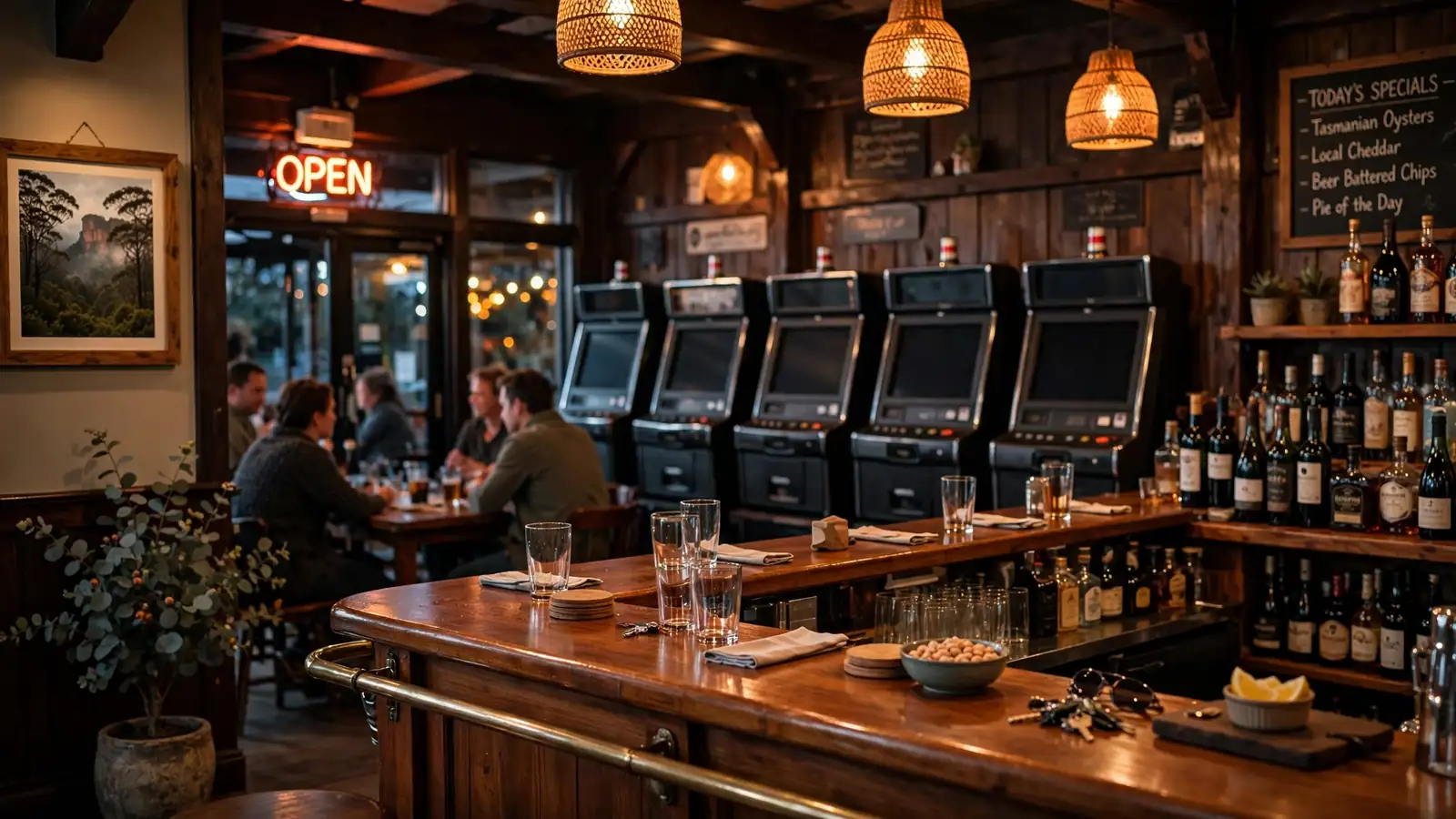
The same restraint applies to development. A proposal, a planning discussion and an operating venue are different stages, and one does not establish the next. Any account of a Canberra casino development needs to distinguish an idea from an approved project and an approved project from a completed place. A headline can compress those stages rather efficiently. Buildings do not.
Employment claims require similar care. A reference to jobs connected with a proposed venue does not establish that recruitment is under way, or that a casino is operating. Current vacancies belong to an identifiable employer and a dated listing. Without that, there is no basis for describing roles, hiring plans or employment conditions as current.
Events are more temporary still. A concert, themed night or other entertainment listing can expire while its page remains visible; an old calendar is not evidence of what is happening now. A reliable event notice should identify the organiser, venue and date. No schedule should be inferred from the existence of casino entertainment elsewhere in Australia, or from a venue’s name appearing in an old report.
Nor does the law on online gambling settle any of these local questions. The Interactive Gambling Act 2001 prohibits operators based in Australia from providing real-money online casino games to people in the country. That rule concerns online services. It does not establish whether a physical Canberra venue exists, has opened, is hiring or has events scheduled. Different questions; different evidence.
A review has the same limitation. A review may describe a particular visit at a particular time, but it cannot by itself confirm today’s opening status or a future reopening. Dates and the identity of the venue matter; so does the difference between firsthand reporting and recycled promotional copy.
Opening and Events
- Opening status requires a confirmed venue and up-to-date operator statement
- Proposed developments are not yet operating venues
- Event notices must identify the organiser, venue, and date to be reliable
- Online gambling laws do not determine the status of physical venues
The practical standard is modest: an opening announcement should come from the venue or a relevant authority, while event and recruitment information should be current and attributable. If a listing does not identify its date or source, it cannot carry much weight. That is not a verdict on Canberra’s nightlife. It is a boundary on what can responsibly be said about a venue’s hours, development, jobs or calendar.
No calendar, no claim.
Address, Dress Code and Spa Searches: Details Not Yet Verified
A venue name and a street address are different kinds of information. “Canberra casino” can describe what someone hopes to find without identifying a particular building. Until an operator and location are confirmed, directions, nearby landmarks and travel times would be guesswork dressed as local knowledge. The same caution applies to maps: a pin is useful only when it can be tied to the venue itself.
Practical details need the same discipline. A dress policy can vary by room, event or time of day; a general claim that a casino is formal or casual may not settle what applies at the door. Spa searches raise another distinction: a hotel or entertainment complex may have wellness facilities, but that does not establish that a casino operates a day spa. Bars, too, are venue amenities, not an automatic consequence of the word “casino.”
Employment information is a separate matter again. A careers page or vacancy should identify the employer and the work location clearly. Without that connection, a listing cannot establish that a job is at a Canberra casino, even if its language suggests hospitality or gaming work. These details are mundane until they are wrong: then the cost is a wasted trip, an unsuitable application or a plan built around facilities that may not exist.

There is a legal distinction worth keeping in view. The Interactive Gambling Act 2001 prohibits operators from providing online casino-style games—including slots, poker, blackjack and roulette—to people in Australia. That rule concerns online services; it does not supply an address, dress code, spa directory or staff roster for a physical Canberra venue. Nor does the existence of online games prove anything about local premises.
A sensible confirmation trail starts with the named operator, then its own current venue information, followed by direct confirmation of the particular detail in question. An address should match the operator’s identity; a dress policy should be current; spa or bar facilities should be described as part of that venue, rather than inferred from a nearby hotel or development. Careers information should name the employing organisation and location. If those links are absent, the detail remains unsettled.
This is less glamorous than a polished list of amenities. It is also more useful. A search term can point towards an intention; it cannot, by itself, establish that a place, service or vacancy exists.
Restaurants at a Canberra Casino: No Menu Claims Without Evidence
A restaurant associated with a casino is a more specific claim than a restaurant in the same city. The distinction matters: a dining room may be operated by the venue, share its building, sit nearby, or appear in a directory because the businesses are grouped under one destination. Those arrangements are not interchangeable, even when a listing makes them look so.
A “casino restaurant” claim requires the venue’s identity and a verified connection between the venue and the dining room before menus or hours can be trusted.
For Canberra, the phrase “casino restaurant” should not be treated as proof of a particular dining room. First comes the venue’s identity; then the connection between that venue and the restaurant. Only after that can names, menus and practical details be attached with confidence. A polished photograph or a heading on a travel page cannot do all three jobs.
Menus are especially perishable evidence. A dish may be seasonal, a menu may belong to an earlier operator, and a page may combine details from several businesses. Opening hours can change too. A reliable description needs to match the current venue and the restaurant itself, rather than rely on a general claim that dining is available at a casino.
There is also a difference between a restaurant inside a casino and one merely near it. The first implies a direct relationship with the venue; the second is a question of location. Without a confirmed address for the casino, even “nearby” has no useful anchor. A distance, route or neighbourhood recommendation would be guesswork dressed as travel advice.

The same caution applies to rooftop dining. The word “rooftop” suggests a setting, not a verified facility. It does not establish that a casino has a rooftop restaurant, that the space serves food, or that it is open to the public. A bar and a restaurant are not synonyms, either; one may exist without the other, and a venue’s promotional language can blur the distinction.
For anyone comparing places to eat, the useful evidence is concrete: the restaurant’s own current identity, its relationship to the casino, and details published by the operator responsible for the dining service. Menus and hours should be checked at that level, not inferred from a city label or an association in a directory.
A Canberra casino dining claim therefore needs to stand on its own. The city name does not supply a menu, and the word “casino” does not supply a restaurant. A modest standard, perhaps. Still a standard.
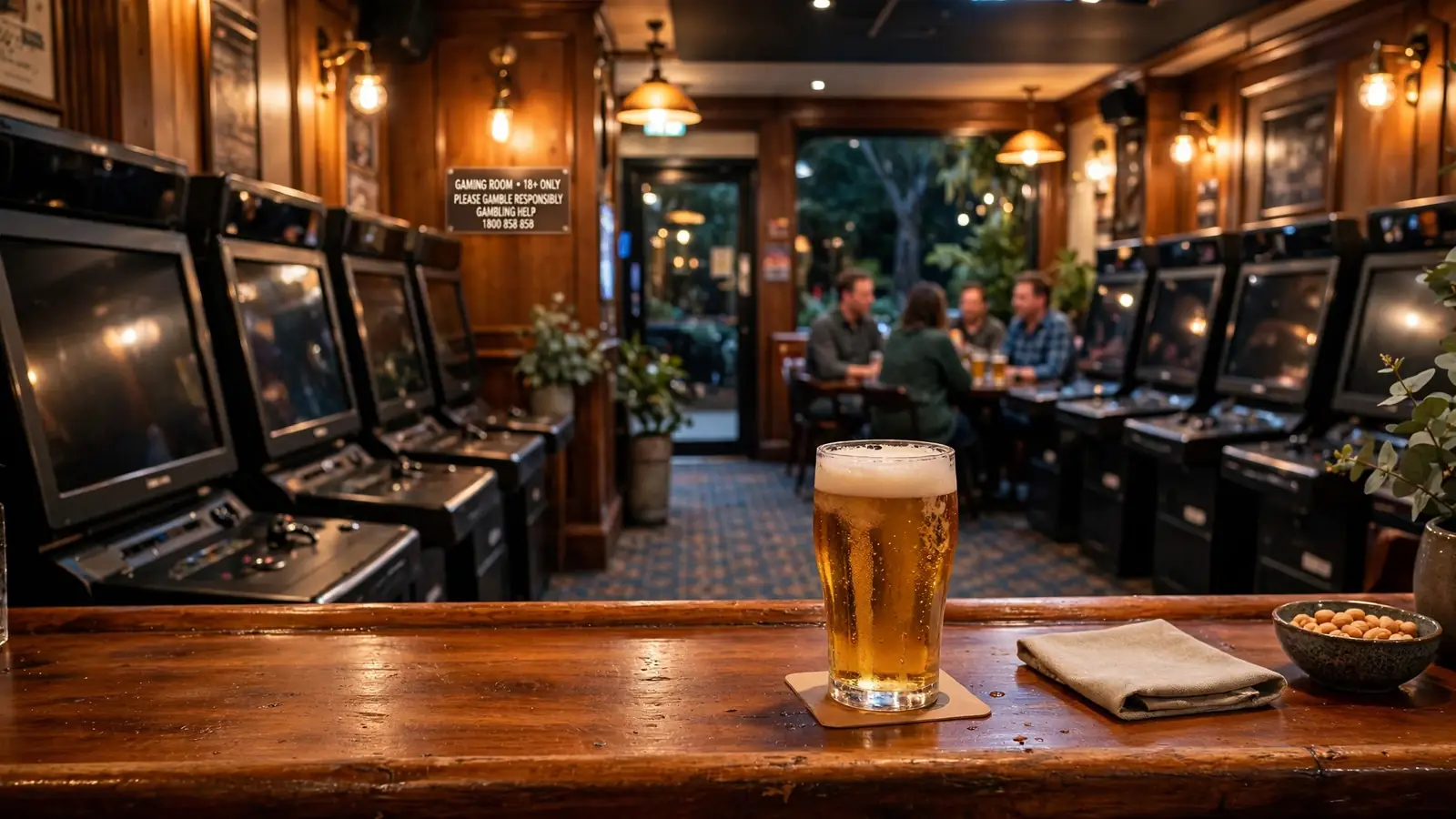
Food and Pool Facilities: What Can Be Confirmed
A casino label does not, by itself, promise a food court or a swimming pool. These are separate venue features, shaped by the building, its operator and the uses the property is designed to serve. A search for a place to eat or swim in connection with a Canberra casino therefore cannot stand in for confirmation that either facility is part of a particular venue.
The distinction matters because amenity lists can make a property seem more complete than its actual offer. A food court implies several food outlets gathered in one area; it is not simply another name for a restaurant. A pool implies access to a swimming facility, not merely a hotel or leisure setting nearby. Treating either as an assumed part of a casino would turn a plausible expectation into a practical claim.
The same care applies to images and descriptions that place food or leisure facilities beside gambling. They may refer to a neighbouring business, a broader complex or a different venue altogether. Without a clear connection to the casino itself, the association remains just that: an association.
There is a quieter point here. Casino buildings are often imagined as self-contained worlds, where eating, entertainment and gambling sit under one roof. That picture is convenient, and sometimes accurate elsewhere; it is not a reliable guide to a Canberra property. Each amenity needs to be understood on its own terms.
For anyone comparing facilities, the useful distinction is between what belongs to the venue and what happens to be nearby. Food-court access and pool access are not interchangeable with dining options or leisure facilities elsewhere in the area. Until a specific property and its own amenity information are identified, neither should be treated as part of a Canberra casino. The name alone is not a floor plan.
Are online casino-style games restricted in Australia?
Yes. The Interactive Gambling Act restricts Australian-based operators from offering online pokies, blackjack and roulette to people in Australia. Sports betting remains widely accessible and legal.
What is the legal status of offshore online casinos and NSW gambling law?
Australian players are not technically breaking the law by using offshore casinos, but those platforms are not regulated under Australian law. Australian-run online casinos cannot offer online casino games to people in Australia under the Interactive Gambling Act.
What is the legal age to play pokies in NSW?
You must be 18 or older to play poker machines in NSW.
What are the pokie machine losses and gambling harm in NSW?
NSW requires players to set a loss limit before playing poker machines through mandatory pre-commitment systems.
What is pokies region blocking?
Region blocking uses a player’s IP address to identify their location and can prevent access to games or providers in that region. Blocked games may not appear in the lobby or may fail to load.
What features are found in modern pokies, including wilds, scatters, free spins, multipliers, and bonus rounds?
Features covered here include free spins, progressive jackpots and bonus rounds that can be entered by paying a set amount. Free-spin winnings commonly carry wagering requirements before withdrawal.
Created by the ”Cuntspin Casino” editorial team.