Adelaide Casino: Hotels, Dining and Practical Details
 Available in AU
Hotel bookings, casino access, dining and nearby stays are distinct topics, so the details of each offer matter.
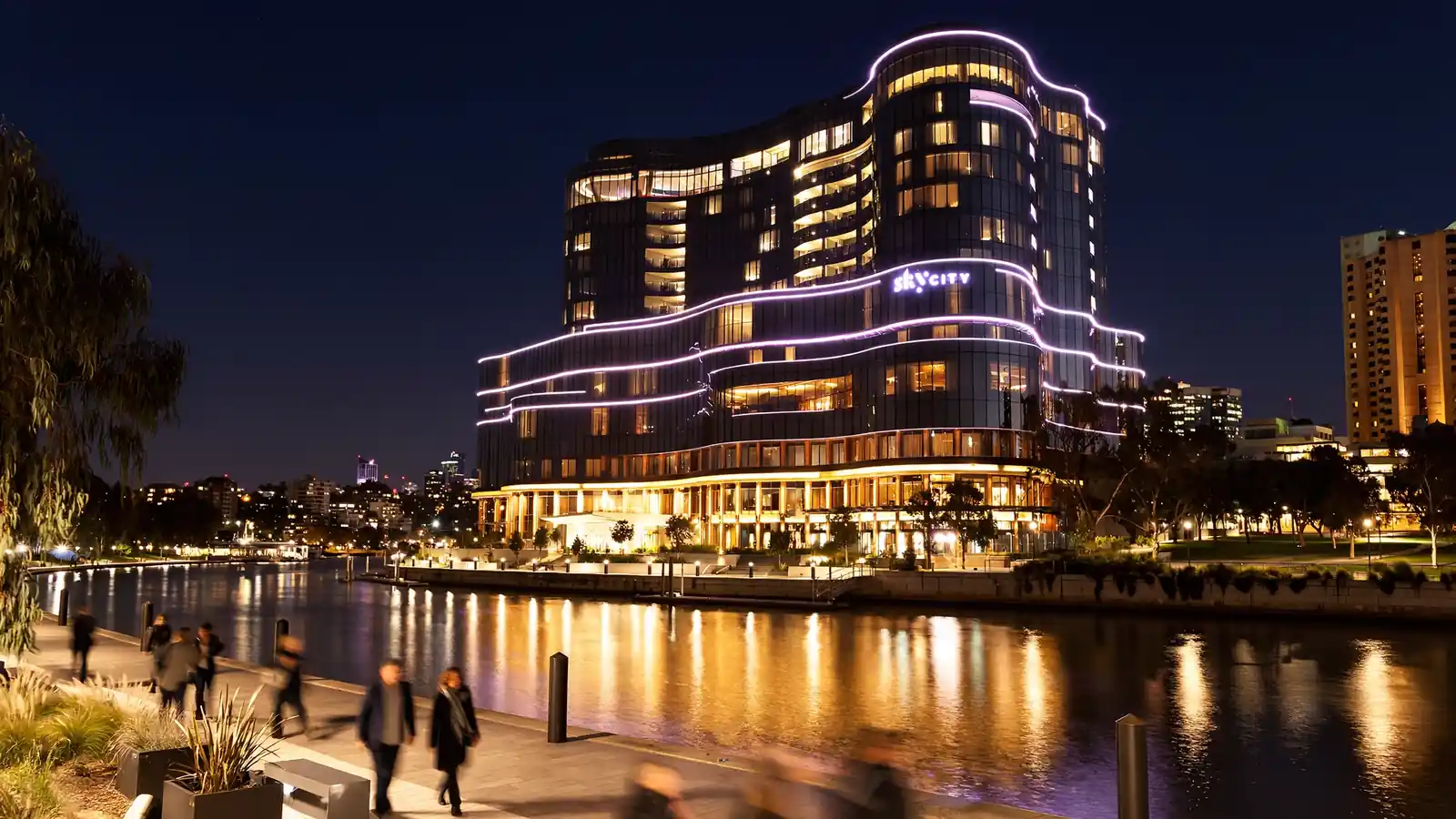
Table of Contents
- A Hotel Stay Beside Adelaide’s Casino
- Poker Rooms, Tournaments and the Limits of What’s Known
- Adelaide Casino: The Venue and Its Public Life
- Parking, Dining and the Online-Casino Distinction
- Places to Stay Near the Casino
- Contact Details, Bars and Entertainment Queries
- Breakfast, Buffet Queries and Casino Employment
- Spa, Address and Dress-Code Searches
- Restaurants at the Casino
- Food-Court and Pool Searches
A Hotel Stay Beside Adelaide’s Casino
“Casino hotel” can describe two rather different arrangements: accommodation operated as part of a casino complex, or an independently run hotel somewhere in the surrounding district. The distinction matters. A room in an integrated property may be sold as part of a single venue experience; a nearby hotel is a separate business, even if the casino is the reason for the stay. The phrase alone does not settle which arrangement is being offered.
For anyone considering an Adelaide casino hotel, the useful question is therefore not simply whether a room can be booked, but what the booking actually includes. A hotel room and access to a casino are separate things unless the terms say otherwise. A package may bundle services, or it may offer accommodation alone. The name of a venue, a photograph of a room, or the word “deal” does not establish what is included, when it is available, or what conditions attach to it.
That caution is not mere paperwork. Hotel offers are shaped by ordinary commercial details: dates, cancellation rules, payment conditions and the exact room category. A headline rate can conceal restrictions that matter more than the headline. Before treating a hotel deal as a complete plan, its written conditions need to be read as carefully as its price. Hospitality marketing is fluent in the art of making a small package sound like a whole evening.
Choosing a casino for Adelaide means weighing practical details alongside the licensing information available for each option. This overview highlights the stated facts that may help you decide what to check further.
License: Curacao · Payout speed: crypto 30-60 minutes, fiat 1-5 days · Min. deposit: A$10 Wild Tokyo lists a Curacao licence and a minimum deposit of A$10. Its stated payout times are 30–60 minutes for crypto and 1–5 days for fiat.
License: Curacao Golden Pokies lists a Curacao licence. The available information is limited to its licensing.
License: international iGaming licence – jurisdiction not named in the source · Payout speed: PayID 1-24 hours · Min. deposit: A$30 (PayID from A$10) House of Pokies lists an international iGaming licence, with the jurisdiction not named in the source. PayID payouts are stated as 1–24 hours; the minimum deposit is A$30, or A$10 with PayID.
License: Curacao eGaming (Dama N.V.) JeetCity Casino lists a Curacao eGaming licence through Dama N.V. This licensing detail is the available point of reference.
License: Curacao Gaming Control Board JustCasino lists a Curacao Gaming Control Board licence. The available information is limited to its licensing.
License: Curacao Gaming Control Board OGL/2023/176/0095 (Hollycorn N.V.) Rollero Casino lists a Curacao Gaming Control Board licence, OGL/2023/176/0095, through Hollycorn N.V. Its stated licence details are the available point of reference.
License: Curacao (operating since 2017) · Min. deposit: A$20 Uptown Pokies lists a Curacao licence and has been operating since 2017. Its minimum deposit is A$20.
License: Curacao Gaming Authority (Jumpman Gaming Ltd) DragonSlots Casino lists a Curacao Gaming Authority licence through Jumpman Gaming Ltd. This licensing detail is the available point of reference.
License: Curacao Gaming Control Board OGL/2023/176/0095 (Hollycorn N.V.) Neospin lists a Curacao Gaming Control Board licence, OGL/2023/176/0095, through Hollycorn N.V. Its stated licence details are the available point of reference.
Payout speed: crypto under 1 hour, PayID 1-3 business days · Min. deposit: A$20 (A$30 to qualify for the bonus) Ricky Casino states crypto payouts under 1 hour and PayID payouts in 1–3 business days. The minimum deposit is A$20, or A$30 to qualify for the bonus.
Room descriptions deserve the same attention. “Room” is a broad label, not a promise about layout, view, bedding or included services. Those particulars belong to the booking description, and should be compared on the same basis rather than inferred from a property’s casino association. A room presented as part of a venue may still be governed by separate accommodation terms. The label does not do the counting.
The phrase hotel near Adelaide Casino points to another category altogether. Proximity is not the same as being part of the casino, and a map may make a short distance look more decisive than it is. Keeping those categories separate prevents a nearby stay from being mistaken for an on-site room, or an accommodation listing from being treated as evidence of a casino’s own hotel service.
Opening hours are another point easily blurred by the idea of a combined stay. Hotel operations and casino operations are not necessarily governed by the same timetable. Check-in and check-out arrangements belong to the accommodation; casino opening hours belong to the gaming venue. A hotel booking, even if associated with a casino, cannot by itself establish when gaming areas are open. Hours can also be relevant to a particular date, so an old listing or a general description should not be treated as a current schedule.
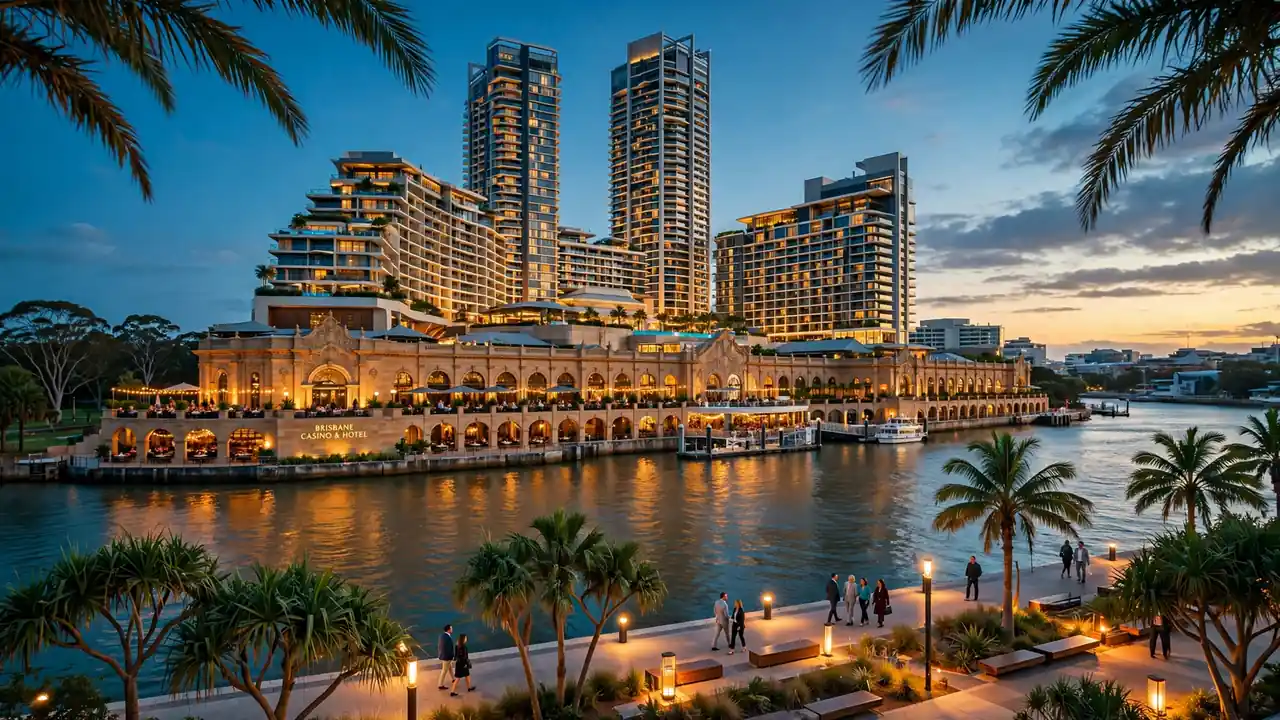

This separation reflects a broader habit of travel: people often want one booking to resolve transport, lodging and entertainment in a single gesture. A casino hotel seems to promise that neatness. But the promise is only useful when the boundaries are clear—what business supplies the room, what the rate covers, and which timetable applies to each part of the visit. Otherwise, the convenience exists mostly in the wording.
For a stay connected with Adelaide’s casino, the dependable approach is to treat accommodation, any package offer and casino access as distinct matters until the booking terms explicitly connect them. That leaves room for a genuine integrated stay without assuming one from a search result or a familiar phrase. In travel, as in gambling, the small print is where the arrangement stops being an idea and becomes a commitment.
Poker Rooms, Tournaments and the Limits of What’s Known
Poker can describe a table game, a tournament format or, less precisely, the electronic gaming machines found in clubs. Those are not interchangeable. A poker-room listing would ordinarily need to identify the room itself and clarify what kind of play it hosts; a tournament notice would need to say when the event takes place and how entry works. Neither follows simply from a venue being called a casino.
That distinction matters in Adelaide. It would be misleading to turn the phrase “poker at Adelaide Casino” into a claim that a particular game is running. Nor can a general reference to casino rooms establish that accommodation or a poker facility is part of the same offering. Different questions, different evidence.
Legal Restrictions
Under the Interactive Gambling Act 2001, operators based in Australia cannot provide real-money online poker, pokies or table games to people physically in Australia.
The word “poker” also appears in discussions of electronic gaming machines, especially in material about clubs in New South Wales. Club Liverpool is identified as having the state’s largest number of operational poker machines. NSW rules set the legal gambling age for those machines at eighteen, and the state has mandatory pre-commitment systems, under which players set a loss limit before play. These are facts about NSW clubs and regulation; they do not describe Adelaide’s poker facilities. Geography is not a decorative detail.
There is a further distinction between live, in-person poker and online casino poker. Under the Interactive Gambling Act 2001, operators based in Australia cannot provide real-money online poker, pokies or table games to people physically in Australia. The prohibition concerns the operator’s provision of the service. It does not establish whether a physical poker room, tournament or table game is available at an Adelaide venue. The online rules and the question of a local event belong to separate categories.
Tournament searches often imply a practical need: dates, registration, buy-ins, formats and whether an event is open to newcomers or reserved for established players. Those details should come from a current event notice, not from old mentions or assumptions attached to a venue name. Without a confirmed schedule, no particular tournament can responsibly be described as upcoming, regular or open for entry. A calendar is not a rumour with better formatting.
The same caution applies to requests for current opening status. “Open today” changes meaning with the day, the area being visited and the activity in question. A venue’s general operating hours would not necessarily confirm that a poker table is running or that a tournament is underway. The distinction is unglamorous, but useful: a building being open and a particular game being available are separate claims.
Searches that combine poker with a sports bar bring together two different expectations. A bar does not establish the presence of poker, and poker-related wording does not establish a bar. The answer should not be smuggled in through the shared word “casino”.
For anyone comparing venues, the reliable dividing line is between confirmed event information and broad labels. A room, a game and a scheduled tournament each require their own description. Until those particulars are stated by the venue in current information, the careful account is a narrow one: the existence, format and timing of Adelaide poker facilities cannot be asserted. No invented timetable can make that more precise.
Adelaide Casino: The Venue and Its Public Life
A casino is often described as a building, but its public life depends on more than its doors: development plans, operating decisions and scheduled events all shape what the place means to a city. For Adelaide, those subjects call for separate evidence. A name in a search result does not establish when a venue opened, what redevelopment has taken place, or what is happening now.
The distinction matters especially when “open” can mean several things. It may refer to a venue’s general operating status, a particular facility within it, or a one-off reopening after a closure. Those are not interchangeable claims. A reopening date needs a dated announcement; an account of present operations needs current confirmation. Without either, a confident answer would turn a question into a fact by sheer repetition. A poor civic record.
To verify a venue’s opening or reopening, refer to a current, dated statement from the venue or an authoritative public notice.
Development deserves the same care. A proposal, an approval and a completed project are different stages, and headlines can make them sound like one continuous event. Claims about Adelaide Casino’s development should therefore identify what actually happened, rather than treating discussion or intention as construction. Without that distinction, the public cannot tell whether a change is planned, authorised or already part of the city’s landscape.
Entertainment and events are also time-sensitive. A performance listing may describe a past date, while a general entertainment claim can suggest a programme that has not been established. A useful account would need to say what event is confirmed and when; a permanent description of the venue should not be inferred from an isolated listing. Nor should the presence of a casino name be taken as proof of a particular schedule or format.
These gaps do not make the broader questions unimportant. Casinos occupy a curious place in civic life: they are commercial venues, but their development and public programming are also matters of urban change. Employment questions belong to that picture too, though a general reference to jobs cannot establish current vacancies, working conditions or recruitment arrangements. Each requires evidence specific to the claim and the date.
The practical test is modest. For an opening or reopening, look for a current, dated statement from the venue or an authoritative public notice. For development, distinguish proposals from completed works. For entertainment and events, rely on a current calendar rather than an old listing repeated elsewhere. Those checks are not proof that any particular announcement exists; they are the minimum needed to avoid mistaking an outdated page for present fact.
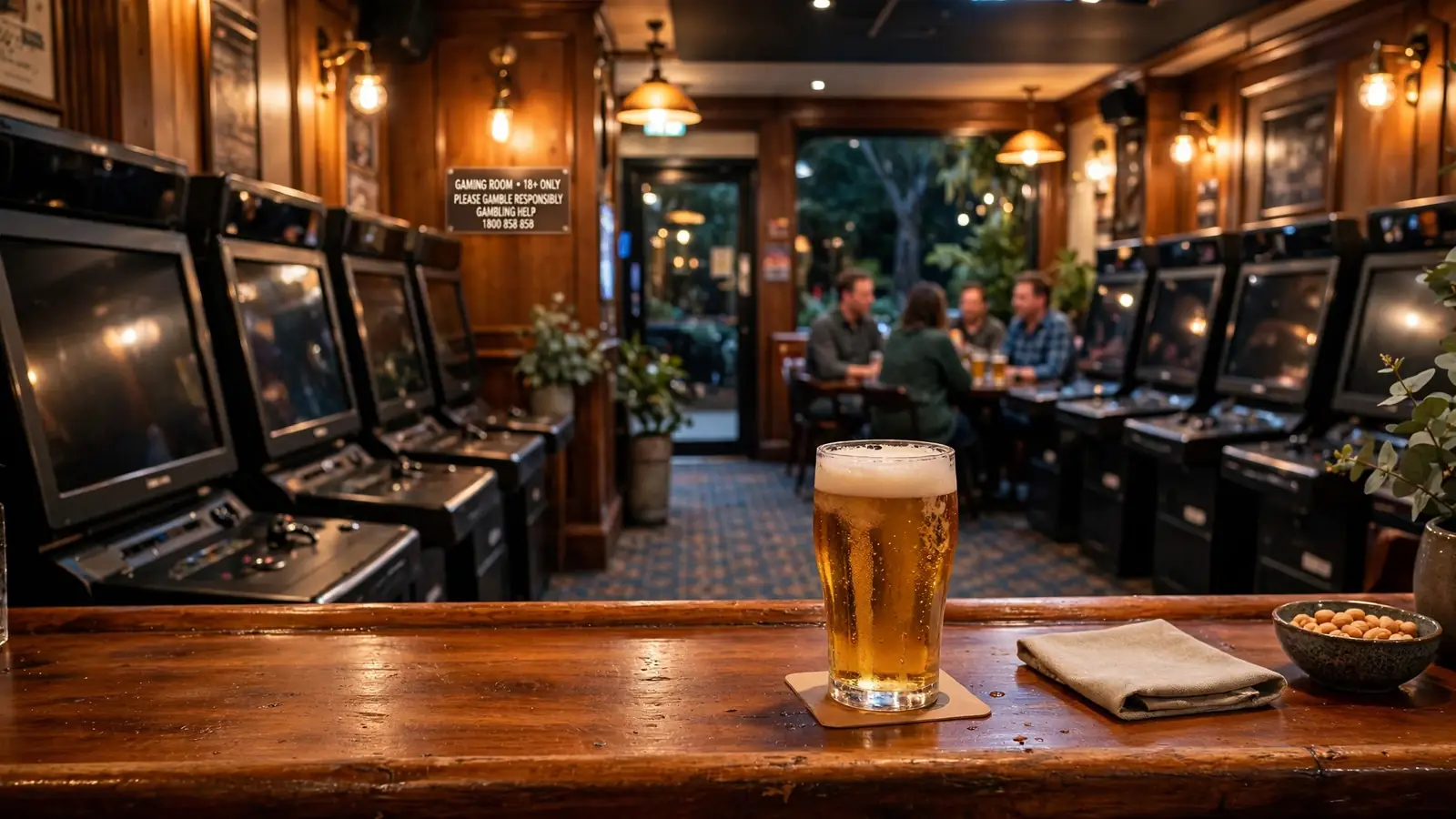
The label “Adelaide Casino” alone cannot settle these questions. It does not supply an opening date, a development history, a current event programme or employment information. Keeping those claims separate is less dramatic than a grand account of the venue, but more useful: public life is made of decisions and dates, not the confidence with which a page describes them.
Parking, Dining and the Online-Casino Distinction
Parking, lunch and dining belong to the practical geography of a casino visit: where a car can be left, what food is served and when. Online gambling belongs to a different question, governed not by the layout of a venue but by Australian law. The two can sit side by side in searches about Adelaide, but they are not interchangeable parts of one service.
For games played over the internet, the central distinction is between the operator and the player’s location. Under the Interactive Gambling Act 2001, an operator based in Australia cannot lawfully provide online casino games to people in Australia. That restriction covers familiar casino formats such as pokies, blackjack and roulette. A venue’s physical existence does not make its online counterpart lawful, nor does an Adelaide connection change the rules for an operator serving customers across the country.
Offshore platforms occupy a different, but not reassuring, position. Australian players are not criminally liable simply for using one, yet an overseas licence does not amount to regulation under Australian law. The platform is outside the local framework: its licence is not an Australian approval, and Australian law does not provide the same regulatory oversight of its conduct. “Available online” and “regulated here” are separate claims.
Attention: An overseas licence does not amount to regulation under Australian law, and such platforms operate outside the local regulatory framework.
Access can also depend on location technology. Online casinos may use an IP address to estimate where a connection originates and restrict games accordingly. When a game is geo-blocked, it may be absent from the lobby viewed from an Australian IP address; a restriction can therefore appear as a missing title rather than a notice explaining the legal or licensing boundary. The catalogue seen in one country need not match the catalogue seen in another.
This is why “casino online” and “casino in Adelaide” describe different arrangements. One refers to a physical venue and the ordinary questions of arrival and food; the other points toward internet-based gambling, where the legal status of the operator matters. Neither a lunch search nor a parking search establishes anything about online access, and a website displaying casino games does not establish that those games are lawfully offered to Australians.
The phrase “best casino in Adelaide 2026” may gather these subjects under one heading, but the distinctions remain consequential. A local visit is not the same thing as an online account. An offshore platform is not an Australian-regulated casino. And a game that appears in promotional material may still be unavailable from an Australian connection because of region blocking.
The boundary is plain enough. The internet makes distance look decorative; regulation restores it.
Places to Stay Near the Casino
A stay near a casino is a question of geography before it is a question of comfort. “Near” may mean a short walk, a quick ride, or simply an address within the same broad district. Those are different arrangements, and a hotel listing can make them sound much the same. For anyone comparing accommodation around Adelaide Casino, the useful distinction is between a property’s actual position and the impression created by its marketing.
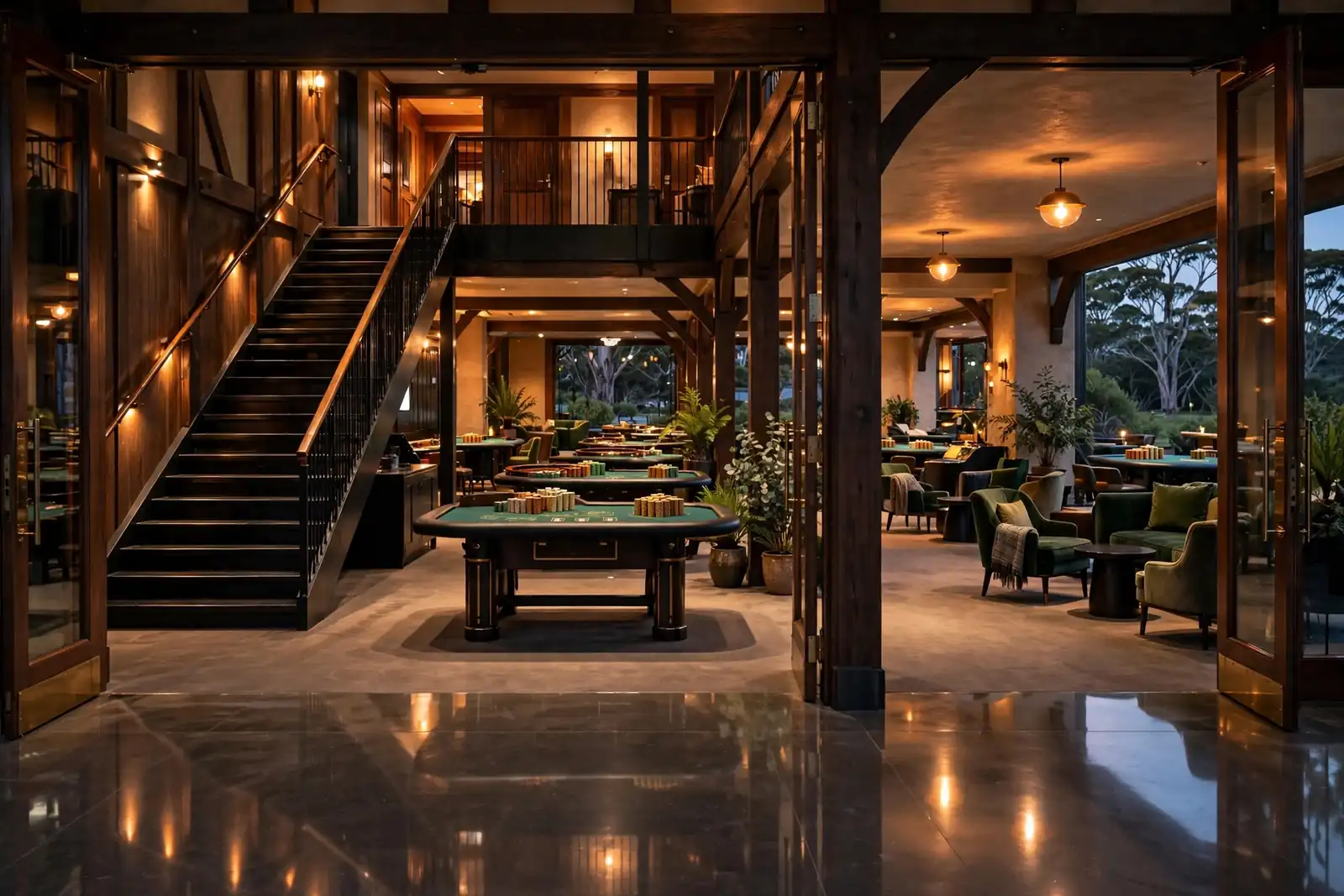
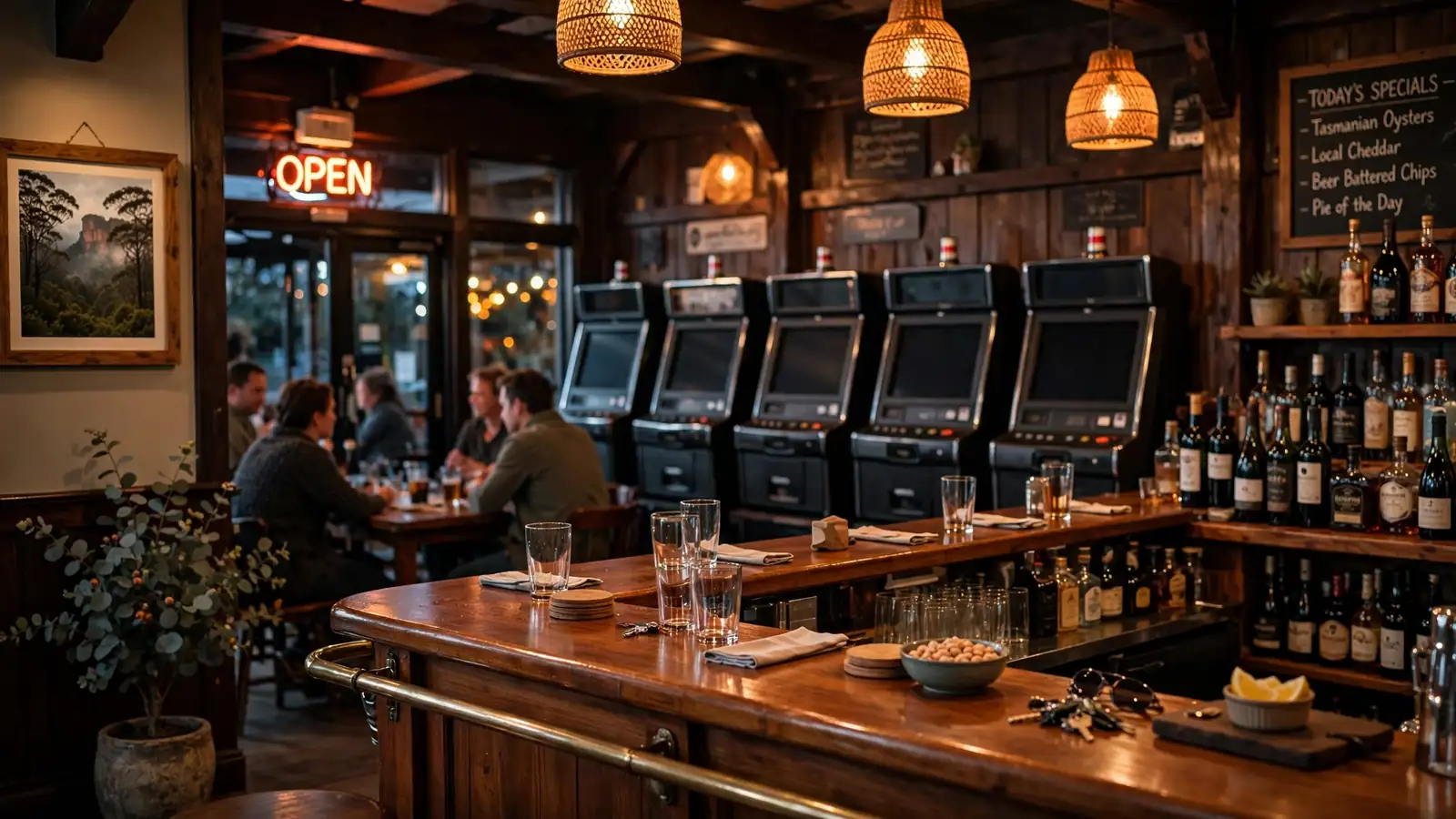
A map can establish where a hotel sits, but the route matters too. A straight line across a screen does not account for entrances, crossings, late-night transport or the path back after an evening out. Distance is most meaningful when measured from the casino’s public entrance, not from a suburb label or a point chosen for a listing. The surrounding streets may also feel different at different hours; a daytime estimate does not describe every journey.
The phrase “Adelaide Casino accommodation” can blur two separate things: rooms associated with the venue and independent places to stay in its vicinity. A nearby hotel is not necessarily operated by the casino, connected to it, or included in a casino package. That distinction is easy to miss in promotional language, where adjacency can acquire the tone of affiliation without actually establishing it.
Accommodation deals deserve the same careful reading. A lower displayed rate may depend on dates, room type, cancellation rules or other conditions. A promotion linked to a night out may be a hotel’s own offer rather than a casino promotion; the wording alone does not settle who provides it or what is included. A package should be understood through its terms, not through the convenience implied by its headline. Hospitality has always been good at making a bundle look like a single thing.
Do
- Use a map to measure distance from the public entrance
- Review specific booking terms for rates and conditions
- Identify the actual property and its clear location
Don’t
- Assume a suburb label describes the exact route
- Trust a headline “deal” without reading the small print
- Mistake proximity for a formal affiliation with the casino
The practical comparison is therefore less glamorous than the sales pitch. A useful listing identifies the property, gives a clear location and explains what the quoted rate covers. Transport arrangements, check-in conditions and cancellation terms affect the shape of a stay just as much as a room photograph. If an offer is tied to a particular event or booking window, those conditions matter more than the word “deal.”
Questions about the casino’s location, gaming machines and opening or trading hours belong to venue information, not hotel descriptions. They may affect when a stay feels convenient, but accommodation listings cannot answer them reliably. The same goes for parking: a hotel’s parking arrangements and parking near the casino are separate matters, and one should not be mistaken for the other. A place to sleep does not settle the journey between the room and the venue.
The appeal of staying nearby is plain enough: less distance between an evening’s plans and a place to rest. Yet proximity is not a promise of a particular view, a shared entrance, a shuttle or a special rate. Those details should be attached to a named property and stated as part of its offer. Without that, “near the casino” remains a geographical description, not a package. A small distinction, with real consequences.
Contact Details, Bars and Entertainment Queries
A phone number is useful only while it is current. For contact details associated with Adelaide’s casino, the reliable route is the venue’s own official website or its verified public channels, rather than an old directory listing copied from another page. The same applies to opening hours, access arrangements and event notices: these are practical details that can change, and a number or schedule repeated without a current source can send people in the wrong direction.
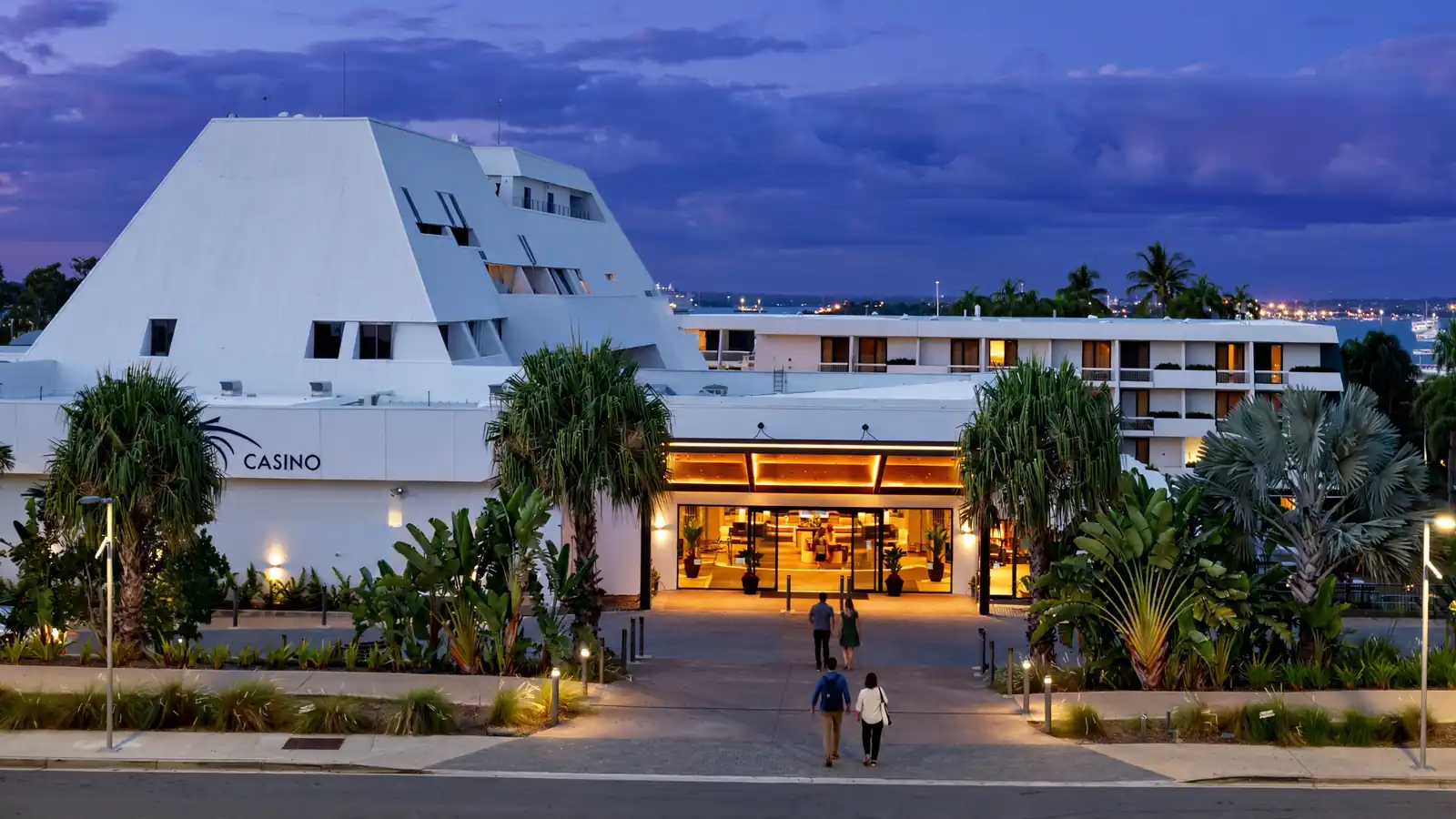
A general enquiry and a question about a particular service may also need different answers. A request about a bar, a concert, table-game availability or access by car is more precise when directed to the relevant venue department. If a contact form or switchboard is used, the question can name the occasion and the date being considered; staff can then confirm what is operating and what arrangements apply. That is more dependable than treating an old listing as a standing promise.
The same caution belongs with searches for a casino bar in Adelaide. A search phrase does not establish that a particular bar exists, what it serves, when it opens or whether it is available on a given night. Those are venue-specific details, not qualities that can be inferred from the word “casino”. Current official information is the sensible place to check before making plans. A bar’s hours may not match the casino’s hours, and an event can alter ordinary access.
Concert information deserves similar care. A venue may be associated with entertainment in public conversation without a current concert programme being confirmed. Dates, performers, ticketing and entry arrangements should therefore be checked through the venue’s own event information or the authorised ticketing channel named there. A copied event notice can outlive the event itself. Calendar pages have a way of becoming archaeological.
For practical arrival, a map should be treated as a route-finding tool, not proof of parking availability. A map pin can identify an area while saying little about entrances, closures, accessibility or whether a car park is open to visitors at a particular time. Those details need confirmation through current venue information. The same approach applies to questions about a car park beside the casino: neither its location nor its terms should be guessed from a search result.
Questions about baccarat or craps are best framed as current availability questions, not assumptions about a fixed offering. The fact that a game is associated with casinos generally does not confirm its presence, schedule or access at a particular venue. Direct confirmation avoids turning a familiar game name into an unsupported promise.
This may seem less immediate than a neat list of phone numbers, bars and events. But a stale contact number or an imagined schedule is not useful simply because it is specific. For Adelaide casino contact details, event listings, bar information, maps and parking arrangements, current official channels are the appropriate reference point; where those details cannot be confirmed, certainty would be decoration.
Breakfast, Buffet Queries and Casino Employment
Breakfast is often treated as a small test of a large hotel promise. A buffet suggests choice and a certain abundance; a breakfast service may instead mean a set menu, a limited-hours offer or food served in a particular part of a property. Those distinctions matter when a trip is being planned, but the words alone do not establish what is served, when it is available or whether access is included with a room. “Resort” is broader still: it can describe a style of accommodation without answering any of those practical questions.

That gap between a label and an arrangement is easy to miss. Hospitality language is designed to make a place feel complete: sleep, food, leisure, perhaps a reward for returning. Yet each promise has its own terms. A buffet is not the same thing as a buffet breakfast, and a breakfast offer is not necessarily a benefit attached to every stay. The useful detail is not the grand category but the actual service: its hours, price, location and conditions. Without those particulars, the label remains only a label.
The same caution applies to rewards. A casino rewards programme can sound like a single benefit, but the name says little about what qualifies, what can be redeemed or whether a particular stay or meal is included. Membership language has a way of making a transaction feel like belonging. The distinction is worth keeping: a programme’s existence, its rules and the value of any benefit are separate matters.
Employment searches raise a different set of expectations. Casino work may bring to mind gaming floors, but a large hospitality operation can involve many kinds of labour: guest services, food preparation, cleaning, maintenance, administration and security, among others. A job title, employment status, hours, pay and required experience are the details that turn a broad impression into an actual role.
There is a social contrast here. A visitor encounters the polished surface—breakfast tables, rooms, service—while employment is the infrastructure that keeps such a surface running. One is often marketed as ease; the other is organised as shifts, responsibilities and conditions. Neither can be inferred simply from the word “resort” or “casino.” Vacancies change, and the existence of a hospitality venue does not establish that it is hiring or that a specific role is available.
Practical Standards
- Use current menus and booking conditions to verify food services
- Refer to official position descriptions for employment details
- Distinguish between membership rewards and actual service benefits
For anyone weighing a stay or a career, the sensible standard is documentary rather than atmospheric: a current menu or booking condition for food, and a current position description for work. Those records answer different questions and should not be substituted for one another. A rewards offer is not a menu; a recruitment notice is not a promise of a particular workplace experience.
The ordinary details carry the weight. Breakfast has a clock; employment has terms. Both deserve more than a suggestive label.
Spa, Address and Dress-Code Searches
A casino spa is an appealing idea: play and pressure on one side, quiet rooms and warm water on the other. But the phrase “casino spa” is not evidence that a spa or day-spa service operates at the Adelaide venue. Treatments, facilities and booking arrangements should not be inferred from a name or from the expectation that a large entertainment complex might offer them. A search for relaxation deserves a factual answer, not an imagined menu of services.
The same distinction applies to the venue’s address. “Adelaide Casino” identifies a place in ordinary speech, but a useful arrival detail is a current street address that can be matched to official venue information. That precision matters for transport, accessibility and meeting arrangements; a broad city label cannot do the work of a location. Address details can also change as precincts and entrances are redeveloped, so old references should not be treated as permanent directions.
Dress-code searches ask a different practical question: what standard applies at the door? There is no sound basis for turning the general image of casino formality into a rule about clothing. A dress code, where one applies, is a venue policy, not a custom that can be safely reconstructed from photographs or assumptions about the occasion. The distinction is modest but important: an aesthetic expectation is not an entry condition.
Games are another word that can blur separate ideas. In a physical casino, the term may mean the activities offered on site; online, it can refer to digital casino-style games. In Australia, the Interactive Gambling Act 2001 makes it illegal for operators to provide real-money online casino games—including slots, poker and table games—to people physically in the country. The legal distinction concerns the operator’s service, not the ordinary act of looking up a venue or its public information.
That boundary reflects a choice about who may supply gambling and under what authority. Sports betting remains widely accessible, while online casino-style games are treated differently. A familiar game name does not erase that distinction. Nor does a search result establish that a particular game is available at a particular Adelaide venue.
Practical details carry less glamour than the idea of a spa escape, but they matter more at the moment of arrival. An address should be precise; a dress rule should be explicit; a claimed facility should be grounded in venue information. Anything less is atmosphere posing as guidance.
Restaurants at the Casino
A restaurant associated with a casino can mean several different things: a dining room inside the venue, a separately operated business in the same complex, or an independent restaurant nearby. On a map, those distinctions can collapse into a single pin. On the ground, they shape the whole evening: whether dinner belongs to the casino visit or requires a separate stop.
That boundary matters in Adelaide as much as anywhere. “At the casino” implies more than proximity; it suggests a relationship between the restaurant and the venue. “Near the casino” is looser, covering places that may have no connection beyond their location. The wording alone cannot establish which applies. A dining listing needs a clear address and operator before it can be treated as part of the casino rather than part of the surrounding city.
The word restaurant also promises little about the experience. It does not specify cuisine, price, booking arrangements, service hours or whether a venue is open on a particular night. Those details can change, and a confident-sounding description is not a substitute for current information. A name without those particulars is a signpost, not a dining plan.
There is a small civic story in the way casino dining is imagined. The casino is often treated as a self-contained world, with food assumed to be part of its offer. Yet a city’s restaurants belong to a wider web of workers, streets and independent businesses. Keeping the venue and its neighbours distinct avoids turning every nearby meal into an extension of the gambling floor.
The same care applies to rooftop dining. A rooftop restaurant and a rooftop bar are not interchangeable categories, and neither should be inferred from the other. A view, a high floor or a nearby terrace does not establish that a restaurant operates within the casino. The label needs to describe the actual business, not merely the atmosphere someone hopes to find.
For anyone comparing dining options, the useful distinctions are plain: whether the restaurant is inside the casino, whether it is separately operated, and whether the information describes a restaurant rather than another kind of venue. These are modest questions, but they prevent a familiar confusion—mistaking a location for an affiliation, or a category for a confirmed service.
In a city, the difference between inside and nearby is only a few steps. In a listing, it is the difference between a useful description and an assumption.

Food-Court and Pool Searches
Food-court searches point to a particular kind of meal: quick, informal and gathered under one roof, rather than served as a restaurant experience. The phrase can suggest shared seating, several counters and a choice of food in one place. It does not, by itself, establish that such a facility is part of Adelaide’s casino.
The distinction matters because a venue’s name can collect expectations that belong to different kinds of places. A casino may be associated in people’s minds with dining, leisure and a longer evening out; that association is not a floor plan. A food court is a specific facility, not a general synonym for somewhere to eat. Without current venue information confirming one, it should not be presented as an available feature.
The pool searches are similarly precise. They may refer to a swimming pool, but the word can also be used loosely for other facilities or settings. Nothing in the phrase alone resolves that ambiguity, and it does not confirm that a pool is available at the casino. A description that turns a hoped-for amenity into a venue feature would offer certainty where there is none.
This is a small but revealing problem of place-making. Search terms compress a destination into a handful of conveniences; the resulting picture can feel more complete than the evidence behind it. Food courts and pools are familiar amenities, so their imagined presence can slip easily into descriptions of a large entertainment venue. Familiarity is not confirmation.
For anyone comparing Adelaide casino facilities, the practical distinction is between what a venue’s current official information expressly lists and what a broad description merely invites people to assume. A food court is not the same as a restaurant, and a pool is not an automatic part of a casino visit. No more should be inferred from the labels.
Which pokies are geo-blocked from Australia?
Some games are unavailable to Australian players because of licensing restrictions or providers’ policies. Examples include NetEnt’s Mega Fortune and Hall of Gods, and NYX Gaming/Next Gen games such as Foxin’ Wins and Doctor Love.
Are pokie machine outcomes random?
Yes. Online pokies use a Random Number Generator, and each spin is independent, so previous results do not affect the next one.
Which club has the most pokies in NSW?
Club Liverpool has the highest number of operational poker machines among clubs in NSW.
How does region blocking work?
Online casinos can use a player’s IP address to estimate their location and block access from excluded countries. A blocked game may not appear in the lobby or may fail to load.
What are the bonuses and wagering requirements?
Free-spin winnings commonly require wagering of 20 to 50 times before withdrawal; one stated condition is 30 times. Pokies typically contribute 100% toward wagering requirements, while buy-bonus features usually cost 50 to 100 times the stake.
Prepared by the Cuntspin Casino editorial staff.