Casino in Brisbane: Stay and Visit Planning Guide
 Available in AU
A practical look at accommodation, dining, facilities and the limits of what online searches can establish about a casino visit.
Table of Contents
- Where a Casino Stay Meets Brisbane Accommodation
- Poker Rooms, Poker Machines and the Limits of the Search
- Breakfast, Buffets and the Rewards Question
- Getting There, Parking and Online Casino Searches
- Contact Details, Bars and Table Games
- Opening Hours, Events and the Casino’s Digital Boundaries
- Spa Searches, Dress Codes and What the Facts Cannot Confirm
- Restaurants Around a Casino Visit
- Food Options and the Pool Question
Where a Casino Stay Meets Brisbane Accommodation
A casino visit can turn into an accommodation question before a room is booked. The first distinction is simple but often blurred in travel listings: a hotel may be part of a casino complex, or it may be an independent property elsewhere in the city. Both can appear under the loose label “casino hotel”, but they describe different arrangements. Without confirmation that a particular Brisbane property offers rooms, that phrase is best treated as a starting point, not a promise of an on-site stay.
An on-site hotel, where one is available, joins lodging and entertainment within a single destination. That can make the itinerary feel self-contained: the room and the evening’s plans belong to the same place. Nearby accommodation is a different choice. It may suit a stay organised around other parts of Brisbane, with a casino visit as one element rather than the centre of the trip. A map pin can make the two look interchangeable. The booking conditions do not.
What “casino hotel” can mean
Accommodation listings use broad labels for practical reasons. “Casino hotel” may refer to a hotel operated as part of a casino resort, a hotel close to a casino, or a property appearing in a travel category because of its location. The phrase does not, by itself, establish who operates the hotel, whether it is physically connected to a venue, or what services a guest can expect.
Choosing a casino in Brisbane for 2026 means checking the details that matter to your play, including licensing and the payment information available. Use these short verdicts as a reference when considering the options.
License: Curacao · Payout speed: crypto 30-60 minutes, fiat 1-5 days · Min. deposit: A$10 Wild Tokyo lists a Curaçao licence and a minimum deposit of A$10. Its stated payout times are 30–60 minutes for crypto and 1–5 days for fiat.
License: Curacao Golden Pokies lists a Curaçao licence. That is the only specific operator detail available here.
License: international iGaming licence – jurisdiction not named in the source · Payout speed: PayID 1-24 hours · Min. deposit: A$30 (PayID from A$10) House of Pokies lists an international iGaming licence, though the jurisdiction is not named. PayID payouts are stated as 1–24 hours, and the minimum deposit is A$30, or A$10 with PayID.
License: Curacao eGaming (Dama N.V.) JeetCity Casino lists a Curaçao eGaming licence held by Dama N.V.
License: Curacao Gaming Control Board JustCasino lists a Curaçao Gaming Control Board licence.
License: Curacao Gaming Control Board OGL/2023/176/0095 (Hollycorn N.V.) Rollero Casino lists a Curaçao Gaming Control Board licence, OGL/2023/176/0095, held by Hollycorn N.V.
License: Curacao (operating since 2017) · Min. deposit: A$20 Uptown Pokies lists a Curaçao licence and has been operating since 2017. Its stated minimum deposit is A$20.
License: Curacao Gaming Authority (Jumpman Gaming Ltd) DragonSlots Casino lists a Curaçao Gaming Authority licence held by Jumpman Gaming Ltd.
License: Curacao Gaming Control Board OGL/2023/176/0095 (Hollycorn N.V.) Neospin lists a Curaçao Gaming Control Board licence, OGL/2023/176/0095, held by Hollycorn N.V.
Payout speed: crypto under 1 hour, PayID 1-3 business days · Min. deposit: A$20 (A$30 to qualify for the bonus) Ricky Casino states crypto payouts under one hour and PayID payouts in 1–3 business days. Its minimum deposit is A$20, or A$30 to qualify for the bonus.
That ambiguity matters most when the stay is being planned around convenience. An attached hotel and a nearby hotel can differ in how a guest moves between the room and the evening’s destination. “Nearby” is not a standard measure of walking time, transport access or ease of return. A listing’s location, map and property description are more useful than its category label, and the details should be checked against the actual itinerary.
For a search such as “Brisbane casino hotel”, the sensible first question is therefore not whether the wording sounds right, but what kind of stay is being offered. Is the accommodation presented as part of the venue, or is the casino simply one local attraction? Is the property’s own description consistent with the booking platform’s summary? Those distinctions are less glamorous than a promotional photograph. They are also more consequential.
Comparing rooms and deals
Room searches often narrow quickly to price, but a headline rate is only one part of the arrangement. A room deal can bundle conditions or inclusions that change the comparison. Before treating two offers as equivalent, the booking should be read for the room category, dates, cancellation terms, payment timing and any stated inclusions. If those details are not clear, the apparent bargain may be difficult to compare with another stay.

The phrase “casino hotel rooms” can also suggest that a particular room inventory is waiting to be chosen. It does not establish that rooms are available for the intended dates, or that every room category can be booked through every platform. Availability is date-specific and can change. The useful distinction is between a general description of a property and a live offer for a particular stay.
The same caution applies to “Brisbane casino hotel deals”. A deal is not a fixed feature of a destination; it is an offer with its own terms. A lower displayed price may reflect a different room type, payment condition or cancellation policy. A package may describe an inclusion, but its meaning should be taken from the offer itself rather than assumed from the word “package”. Promotional language is designed to compress. Booking decisions need the unpacked version.
There is no universal definition of a good hotel deal. For one stay, flexibility may matter more than a small price difference; for another, the priority may be a location that reduces the number of separate travel decisions. The right comparison depends on the trip’s shape. A room booked for a single event has different practical value from one serving as a base for several days in the city.
Do
- Check room category, dates, and cancellation terms
- Verify the property description against the booking platform
- Confirm if the hotel is physically connected to the venue
Don’t
- Rely solely on the label “casino hotel”
- Assume a headline rate includes all bundles or inclusions
- Treat a general description as a live offer for specific dates
Choosing between on-site and nearby accommodation
An on-site stay can reduce the number of separate arrangements involved in an evening out, if the hotel and venue are genuinely connected. Nearby lodging may offer a wider choice of neighbourhoods and styles, though the actual convenience depends on where the property is and how the guest plans to travel. Neither arrangement is automatically superior. “Close” is a geographic claim; “easy” is an itinerary claim.
A useful comparison begins with the reason for staying. If the casino is the principal destination, a hotel associated with the venue may be the natural option to investigate, provided the connection is explicit. If the visit is one part of a broader Brisbane stay, a hotel elsewhere may make more sense. The city does not become a single-purpose resort merely because one evening has a casino in it.
It also helps to separate the hotel’s identity from the venue’s. A property with “casino” in a listing title is not necessarily owned or managed by a casino operator. Conversely, a hotel promoted in connection with a venue may have its own booking process and terms. The operator, address and room description are concrete details; a search label is not.
For visitors comparing hotels near a Brisbane casino, location should be checked in context rather than inferred from a thumbnail map. A pin may show proximity without clarifying the route, the entrance used, or what a guest will need to do on arrival. Those are not reasons to dismiss a listing; they are reasons to read beyond its category. A few minutes spent clarifying the arrangement can prevent a stay from being planned around an assumption.
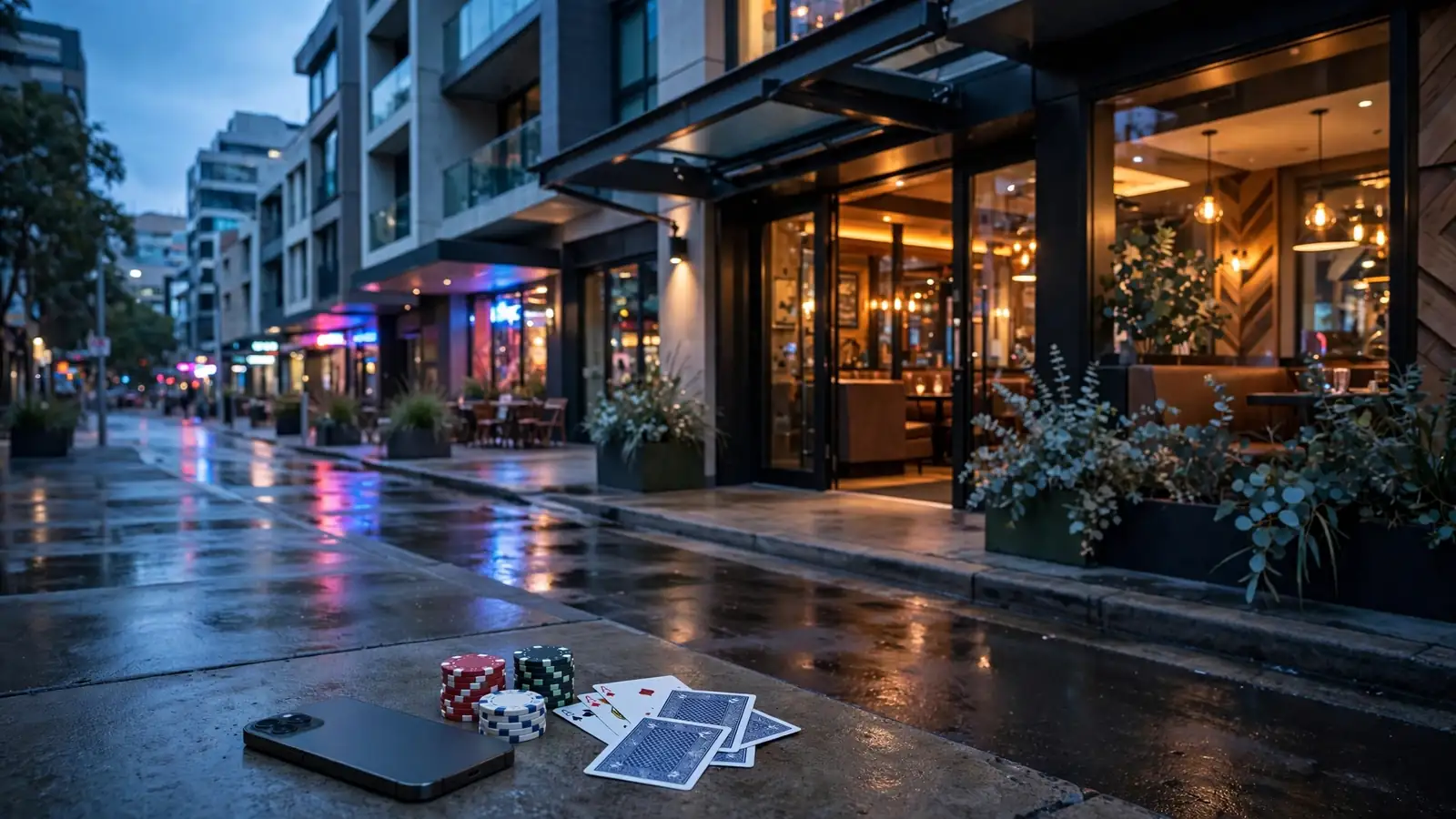
A stay, not a venue claim
The phrase “hotel Brisbane casino” reverses the words but not the underlying uncertainty. It can mean a room at a venue, a hotel near one, or simply a hotel selected for a trip that includes casino entertainment. The order of the words carries no guarantee. A careful booking keeps the room decision grounded in the accommodation provider’s own description and the terms attached to the dates being considered.
This distinction also keeps expectations proportionate. A hotel stay does not establish what entertainment, facilities or services are available at a casino, and a casino visit does not establish that an associated hotel is operating or taking bookings. Each part of the trip has to be understood on its own terms. That may sound unromantic, but travel is often improved by refusing to let one attractive label do the work of several facts.
For anyone weighing a casino-centred stay in Brisbane in 2026, the useful outcome is not a universal verdict on the “best” hotel. It is a clear comparison: on-site or separate, room offer or general listing, flexible booking or restricted terms, and location suited to the intended itinerary. Those questions turn an indistinct accommodation search into a decision that can actually be made.
The casino may be the reason for the trip. The room remains a separate booking, with its own provider, availability and conditions. That boundary is worth keeping visible.
Accommodation Choice
- Distinguish between on-site hotels and nearby lodging
- Verify the actual operator and address of the property
- Check location details in context rather than relying on thumbnail maps
- Ground booking decisions in the provider’s own terms and descriptions
Poker Rooms, Poker Machines and the Limits of the Search
Poker can mean a card game played against other people, a tournament with its own schedule and entry conditions, or—through the Australian term “poker machines”—Electronic Gaming Machines (EGMs). Those meanings sit close together in a search, but they describe different activities. A request for a poker room or a tournament is not evidence that either is available at a particular Brisbane venue.
The distinction matters because live poker depends on details that cannot be inferred from the word “casino”: whether a room operates, what games are scheduled, whether tournaments are running and how participation works. None of those particulars follows from general information about casino accommodation or from rules governing machine gambling elsewhere. A room mentioned in a hotel context may simply mean a place to stay. A poker room is another proposition entirely.
The same caution applies to “poker machines”. In Australia, the phrase commonly refers to EGMs, not to tables where players compete in poker. Rules for those machines also vary by state. In New South Wales, the legal age for gambling on poker machines is 18, and venues check identification; ignoring the age requirement can bring legal consequences. That is a state-specific frame, not a description of Brisbane practice.
NSW also requires players to set a loss limit before playing poker machines. The rule makes one feature of the state’s approach visible: gambling is treated not only as a private choice but as an activity whose conditions can be shaped before the money is lost. A loss limit does not turn a machine into a predictable game; it sets a boundary on spending. The boundary is the point.
The scale of machine gambling in NSW is reflected in the fact that Club Liverpool has the state’s largest number of operational poker machines among clubs. That comparison says something about the NSW club sector, not about the layout or machine offering of a Brisbane casino. It should not be carried across a state border by assumption.
A search for poker at a Brisbane casino may therefore be asking about a live card game, a tournament, or EGMs. Each needs a different kind of confirmation. Poker-room information would need to establish that the room operates and explain its current games; tournament information would need to identify a scheduled event and its terms. Neither can be supplied by the general meaning of “casino”, and neither should be treated as a Brisbane venue fact without direct confirmation.
Nor does a result mentioning casino rooms settle the question. It may concern accommodation rather than gaming space. A sports bar is another distinct facility, while “open today” is a time-sensitive question that requires current venue information. These phrases can appear together because a visit brings several practical concerns into one search, not because one confirms the others.
For a Brisbane visit, the useful separation is simple: hotel rooms concern a stay; a poker room or tournament concerns live play; EGMs concern machine gambling; and a sports bar or opening-hours check concerns venue facilities and timing. Treating them as interchangeable produces certainty where the words alone offer none.
Legal Requirements
In New South Wales, the legal age for gambling on poker machines is 18, and failure to meet this requirement can bring legal consequences.
Breakfast, Buffets and the Rewards Question
Breakfast and buffet searches are often part of a larger plan: a meal before an event, a late start after a night out, or a stay organised around casino entertainment. The words “casino resort” add another expectation, suggesting that dining, accommodation and leisure might sit within one operation. But those labels do not, by themselves, establish what a Brisbane venue serves, whether breakfast is offered, or whether a buffet is operating. Dining arrangements are venue-specific, and a general idea of a resort is not a menu.
That distinction matters because breakfast is a practical service, while a buffet can be a particular format with its own schedule and conditions. Neither should be inferred from the presence of casino facilities or from the word “resort” in a description. A Brisbane casino breakfast may be a useful phrase for a meal attached to a visit, but the phrase alone cannot settle whether it is available, what it includes or when it is served. Those details belong to the venue’s current dining information.
Rewards are not the same as bonuses
The rewards question can refer to a venue loyalty programme: how membership works, whether points accrue, and what benefits are attached to visits or spending. It can also be confused with online gambling bonuses, which are a different arrangement altogether. A casino’s on-site rewards programme cannot be described by borrowing conditions from an online promotion, and online bonus terms say nothing about the benefits of a Brisbane venue.
Online bonus offers often attach wagering conditions to promotional winnings. One report by psu.com described free-spin winnings as subject to requirements in a stated range of twenty to fifty times the winnings before withdrawal. A separate specialist review described a thirty-times wagering condition for free-spin winnings. These are attributed reports, not a universal rule or a statement of any Brisbane rewards programme. The figures also illustrate why the word “free” can be an incomplete description: promotional value may come with conditions that determine whether winnings can be withdrawn.
Pokies may count fully toward a wagering requirement, but that accounting rule does not remove the requirement itself. Nor does it establish how a local venue awards or redeems loyalty benefits. Online gambling rules in Australia make the distinction especially important: the Interactive Gambling Act 2001 prohibits operators from supplying real-money online casino games to people located in Australia. Bonus language found on an online casino page is therefore not a guide to an on-site programme, and it should not be read as an offer for Australian online play.
A resort label, and the work behind it
A resort suggests an integrated stay, but the term does not answer practical questions about a particular property’s breakfast or buffet. Accommodation, dining and casino services can be considered together when planning a visit, yet each has separate terms and availability. The useful approach is to treat a meal listing as a specific service rather than as an automatic feature of a casino stay.
Employment searches belong to a different practical thread. Questions about jobs at a Brisbane casino concern vacancies, roles and application arrangements, not breakfast or membership rewards. A venue’s recruitment information is the relevant place for those details; dining descriptions and promotional material cannot establish current hiring conditions.
Online gambling rules in Australia, specifically the Interactive Gambling Act 2001, prohibit operators from supplying real-money online casino games to people located in Australia.
The searches may gather around one destination, but they point to separate decisions: where to stay, what meal is offered, whether a rewards programme exists, and whether work is available. Keeping those questions distinct prevents an online bonus condition from masquerading as a local benefit, or a resort label from promising a breakfast table. Dryly put: a label is not a service.
Getting There, Parking and Online Casino Searches
A Brisbane casino visit has two separate practical questions: how to reach the venue and what arrangements apply to a car. Parking searches may mention self-parking, valet service or complimentary spaces, but those labels do not establish that a particular option is operating, available to every visitor or included with a booking. Conditions can change, and a result copied from an old listing may describe yesterday’s arrangements.
Before setting out, parking information should be checked through the venue’s current official channels. The useful details are the entrance to the car park, any access restrictions, opening arrangements and the conditions attached to a fee or validation. Where those particulars cannot be confirmed, it is better to plan for paid parking or another way of travelling than to build the evening around an assumed free space. A car park is a small piece of infrastructure, but it can decide whether the rest of the visit feels unhurried.
Valet parking is a service, not a synonym for guaranteed access. Its availability, operating times and price need confirmation directly; a general mention of valet service does not settle any of those points. The same caution applies to claims about complimentary parking. Promotions, dining plans or accommodation arrangements may have separate terms, and a visitor should not assume that one automatically covers the other.
Bingo or dining may also shape the journey, but those plans do not answer the parking question. A dining reservation, where one is made, is distinct from car-park access; likewise, an event listing cannot confirm that a vehicle can be left on site for its full duration. Keeping transport and the evening’s activities as separate checks avoids turning an attractive plan into a logistical surprise.
The phrase “casino online” belongs to another category altogether. A Brisbane venue and an online casino are not interchangeable versions of the same service. In Australia, the Interactive Gambling Act makes it unlawful for an Australian-run operator to provide online casino games such as pokies, blackjack and roulette to people in the country. That rule concerns the provision of online gambling, not where a visitor can park in Brisbane.
Offshore platforms sit in a different, legally unsettled position: Australian players are not themselves technically breaking the law merely by using one, but those platforms are not regulated under Australian law. That distinction is not an endorsement. A website’s availability does not make it an Australian-authorised casino, nor does an online result establish that its services are lawful for an operator to offer locally. The distinction is easy to blur on a screen. It matters.
For a physical visit, the reliable questions remain ordinary ones: which parking arrangements are currently confirmed, what their conditions are, and how they fit the planned arrival and departure. For online play, the legal framework is separate and considerably less like a local venue service. A search result can place both subjects side by side; it cannot make them the same thing.
Contact Details, Bars and Table Games
A telephone number, map pin or bar listing can look more certain than it is. Venue details change, and a result carried over from an old directory may describe a former business, entrance or service rather than the present one. Practical information about a Brisbane casino is best treated as something to confirm through the venue’s own current channels before making plans. No unverified number or address becomes reliable simply by being repeated.
A map is useful for orientation, but it answers only part of the question. It may show roads and nearby landmarks without clarifying which entrance serves a particular purpose, whether access arrangements have changed, or what facilities are operating. The same restraint applies to contact details: a listing is not proof that a line is staffed for enquiries about dining, gaming or an event. The mundane details matter most when they are wrong.
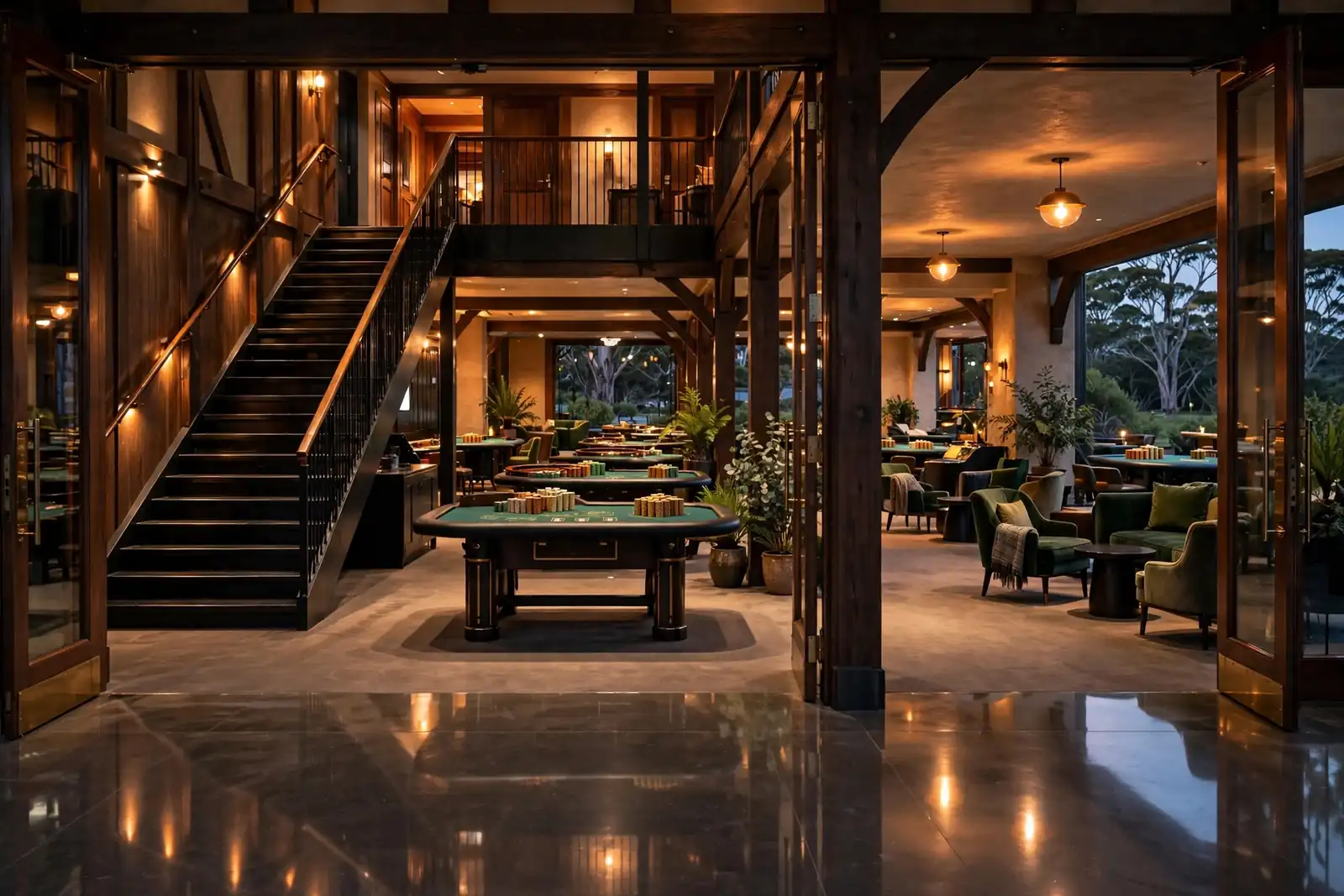
Bars belong to another category of information that can shift with the venue’s programme and operations. A search for a casino bar in Brisbane may be seeking a place to meet, a drink before dinner or somewhere to pause between activities. Those are different expectations, but neither establishes that a particular bar exists, what it serves or when it is open. Such specifics need current confirmation, not inference from a general casino listing.
Baccarat and craps raise a similar problem. Their association with casinos is not evidence that either table game is offered at a particular Brisbane venue, or that a table is available at a particular time. A game name in a directory can describe a general category rather than a live offering. Availability, format and access are venue-specific matters; a search result cannot settle them.
There is also a useful distinction between a physical casino and an online service using casino language. Under Australia’s Interactive Gambling Act 2001, operators based in Australia cannot provide real-money online casino games to people in the country. Offshore platforms sit outside Australian regulation, even though the legal position for players is different from the prohibition imposed on operators. That distinction does not turn an online listing into a source of information about a Brisbane venue.
Online access can also vary by location. A platform or game provider may restrict access for Australian players where its licensing rules require it; a game blocked by region may simply not appear in the lobby when an Australian IP address is detected. A specialist review has also reported cases in which a game fails to load because of regional restrictions, rather than a fault with the player’s device. Using a VPN to reach a pokies site blocked by region breaches the site’s terms and may result in account suspension. A technical workaround is not a change in the rules.
Attention Using a VPN to access a region-blocked pokies site breaches the site’s terms and may result in account suspension.
For a visit in person, the clearest information is the information tied directly to the venue and confirmed close to the date of travel. Contact, bars and table games are not interchangeable details, and none should be assumed from the word “casino” alone. Dry, but practical.
Opening Hours, Events and the Casino’s Digital Boundaries
Opening hours, entertainment schedules and reopening notices belong to different kinds of information: one describes a venue’s routine, another a particular occasion, and the third a change in operating status. They can shift independently. A past event listing cannot establish what is happening now, and a report about development does not, by itself, say when a venue or facility will open. For a Brisbane casino visit, dated announcements matter more than old reviews or undated summaries.
That distinction is useful when assessing claims about entertainment. A performance, special event or temporary programme may be tied to a particular date, while the venue’s regular operations follow a separate schedule. Reviews can give a sense of atmosphere, but they are snapshots shaped by the reviewer’s visit; they should not be treated as a live calendar or a current statement of opening hours. Menus have the same weakness: a review can describe what was available at one time without establishing what is served now.
Development reports also have a long afterlife online. A proposal, construction update and completed opening are not interchangeable milestones. Search results may continue to surface early announcements after circumstances have moved on. Employment information has a similar time stamp: a past vacancy does not establish that a position remains open, while a general description of casino work cannot confirm current recruitment. The practical distinction is simple. A dated notice describes a moment, not a standing promise.
There is a second boundary behind the word “open”. A physical venue and an online casino are not the same service, and Australian law treats them differently. Under the Interactive Gambling Act 2001, operators based in Australia cannot provide real-money online casino games, including slots, poker and table games, to people in Australia. A venue’s hours or entertainment programme therefore says nothing about the legality or availability of an online casino service.
Online game access can also depend on location. Operators may use an internet connection’s IP address to estimate where a player is and block access from excluded countries. In that arrangement, a game absent from a lobby may be unavailable because of a regional restriction, not because the software has vanished everywhere. Providers can apply their own restrictions as well.
A VPN can make a connection appear to come from another country while the person remains in Australia. A specialist review has described this method in the context of accessing blocked games; that description is not permission to use it. Using a VPN to reach a region-blocked pokies site breaches the site’s terms and may lead to account suspension. A changed digital location does not change the player’s physical location or the law that applies there.
The word “open” carries two meanings here: a door in a city, and access on a screen. They are not interchangeable.
Spa Searches, Dress Codes and What the Facts Cannot Confirm
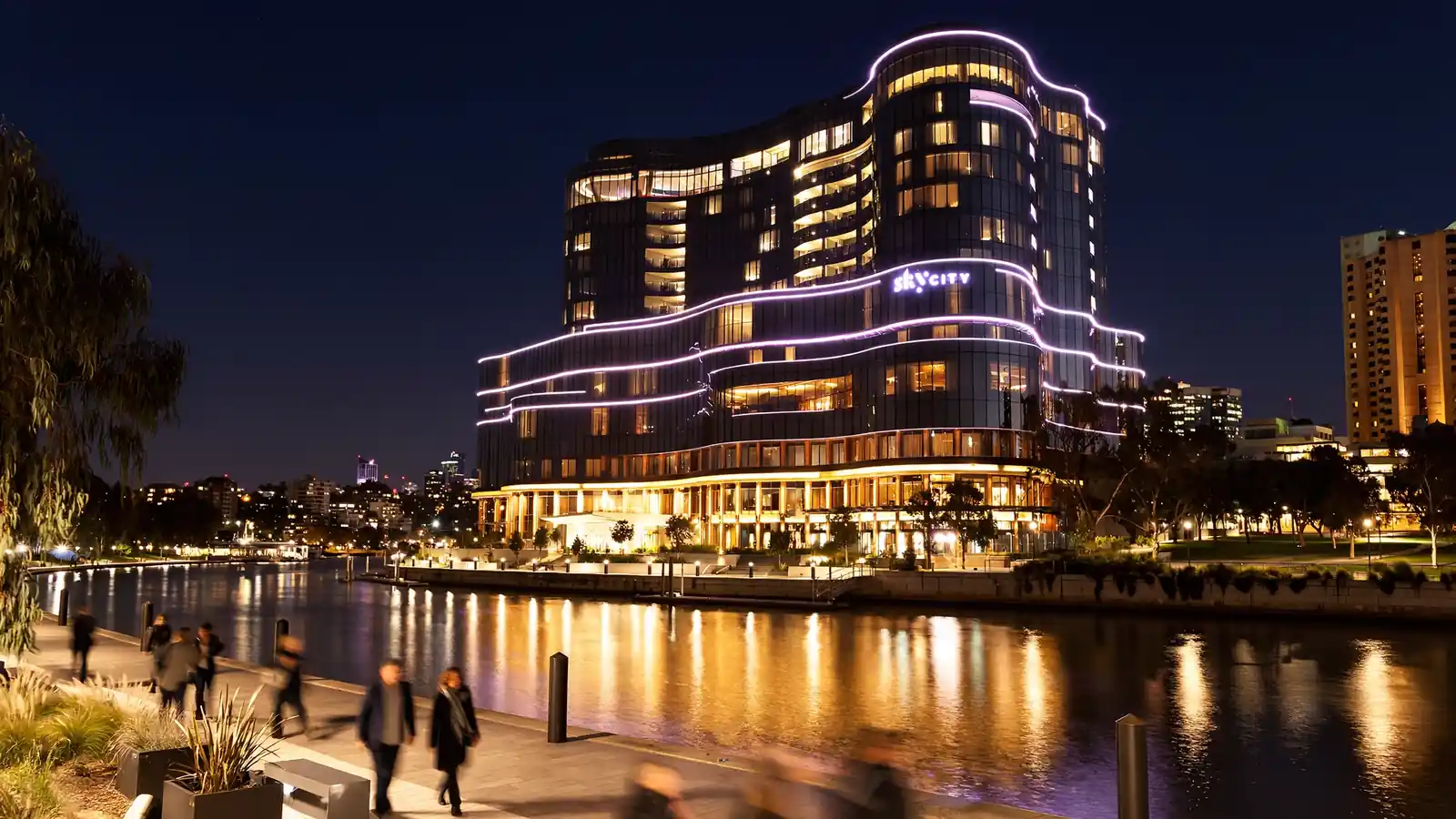
A Brisbane casino address is more than a pin on a map. It determines which entrance a taxi is sent to, whether a booking belongs to the casino or a neighbouring hotel, and how much of the evening is spent crossing between them. Before setting out, the useful detail is the venue’s current official address, not an old directory entry or a result that has quietly attached itself to a nearby business. Names and boundaries can blur in districts built around entertainment.
The same care applies to practical arrangements. A listing may use “casino” as shorthand for a larger complex, while a service in that complex may be operated separately. That distinction matters when arranging a spa appointment, looking for a bar, or asking about access: a shared postcode does not necessarily mean shared booking systems, opening arrangements or responsibility.
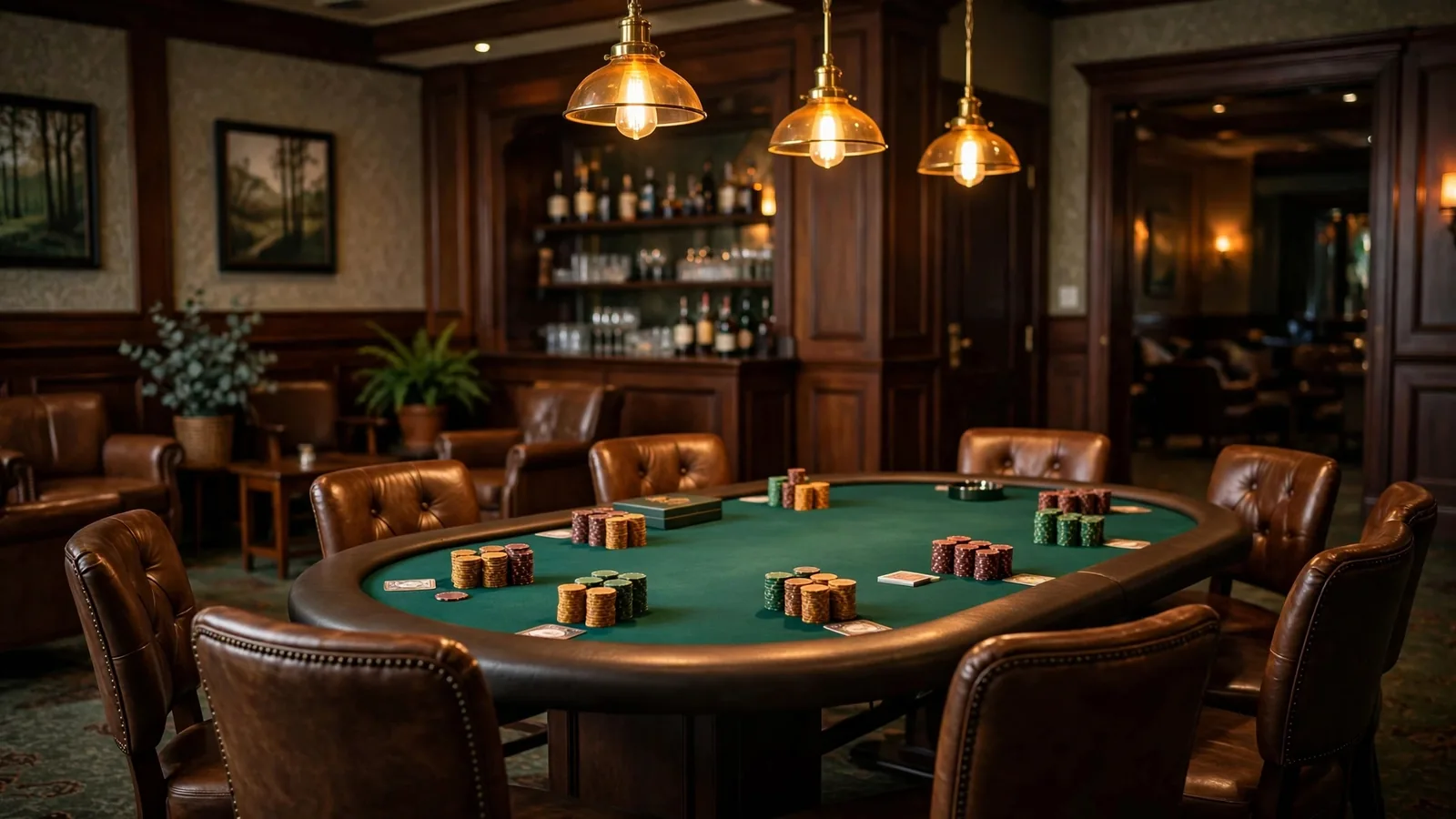
A casino spa is an especially tempting assumption. The words suggest a familiar resort package, but a search result is not a facilities list. Spa treatments, day access and hotel wellness services are separate questions, and each needs to be tied to a named provider before it can shape an itinerary. Otherwise, an appealing noun does a remarkable amount of imaginary work.
Dress codes are similarly local. “Smart casual” can mean different things at different doors, and an event may call for something different from an ordinary visit. Rather than treating a general impression as a rule, the sensible approach is to check the venue’s own current guidance for the particular area or occasion. Clothing advice copied from another city’s casino is not a Brisbane policy.
Careers searches belong to another practical category. A casino’s public identity can conceal a varied workplace: hospitality, administration, security and other roles do not necessarily share one recruitment route or set of requirements. Current vacancies and application instructions are best taken from the employer’s own recruitment material. A job aggregator may preserve a role after it has closed; enthusiasm is not an application status.
The broad phrase “casino games” also needs a boundary. It can refer to games offered in a physical venue, or to online gambling services. Those are not interchangeable. Under Australia’s Interactive Gambling Act 2001, operators based in Australia cannot provide real-money online casino games to people in the country. A venue-related question should not be allowed to slide, by similar wording alone, into an invitation to gamble online.
Address, amenities, dress and employment each seem like small details. Together they describe how a public venue meets the city around it. But a search phrase is not a service, a policy or a promise.
Restaurants Around a Casino Visit
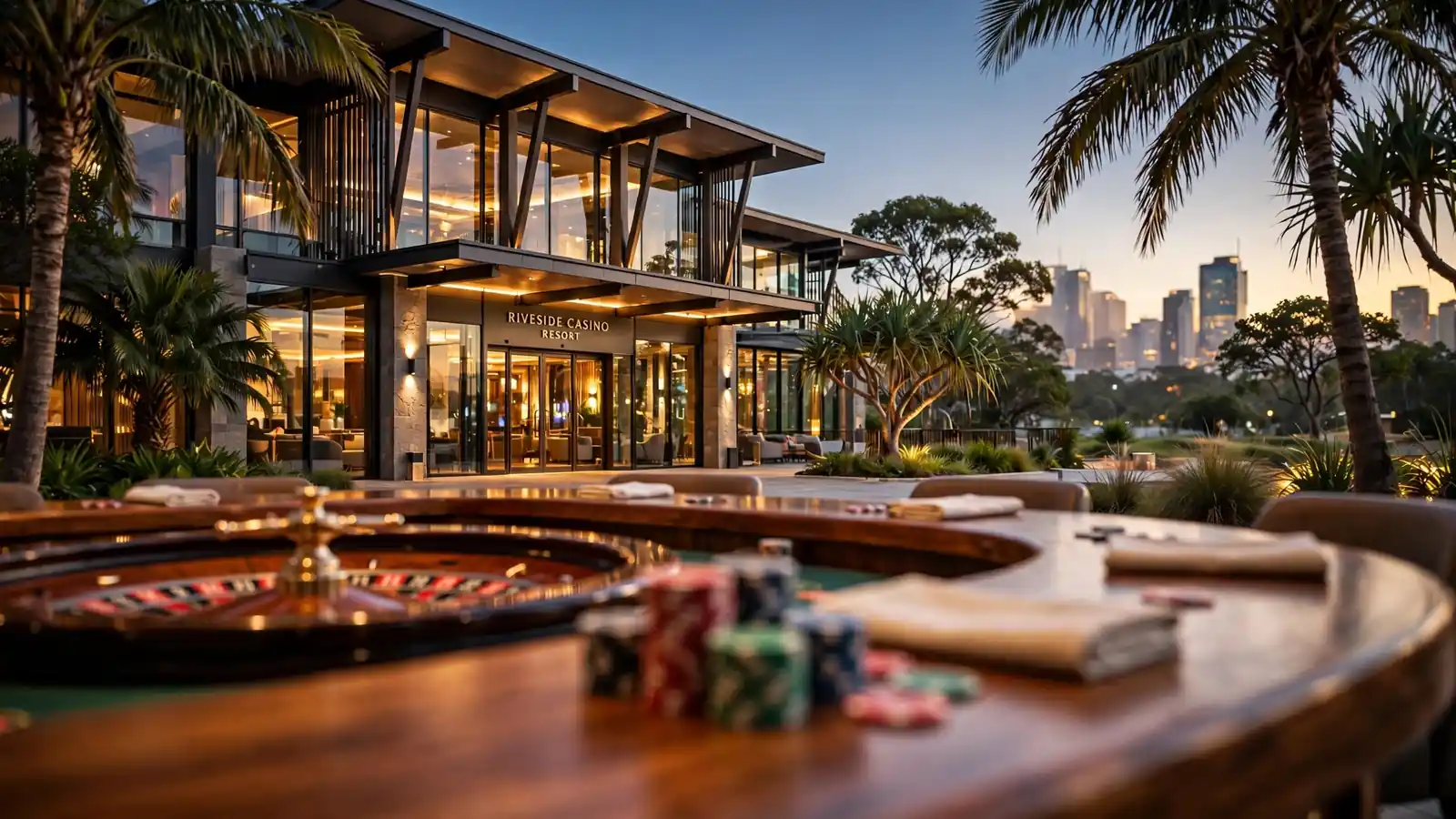
A restaurant associated with a casino visit may be inside the venue, attached to it, or simply close enough to fit into the same evening. Those categories blur in casual conversation, but they describe different arrangements. A nearby restaurant is not necessarily operated by the casino; a listing that mentions the casino may be using it as a landmark rather than describing an on-site dining room.
That distinction matters in Brisbane, where “near” can be as important as “at”. A meal before an event, after a gaming session or between other plans has its own practical shape: the route, the timing and whether the restaurant belongs to the venue or stands independently. A name appearing beside a casino address does not, by itself, establish any of those details.
The phrase “casino restaurant” can also suggest more than one kind of place. It might mean a formal dining room, a casual restaurant or a business in the surrounding district. The label alone says nothing reliable about menus, prices, booking arrangements or service hours. Those are the details that turn a broad association into a usable plan, and they can change independently of the casino itself.
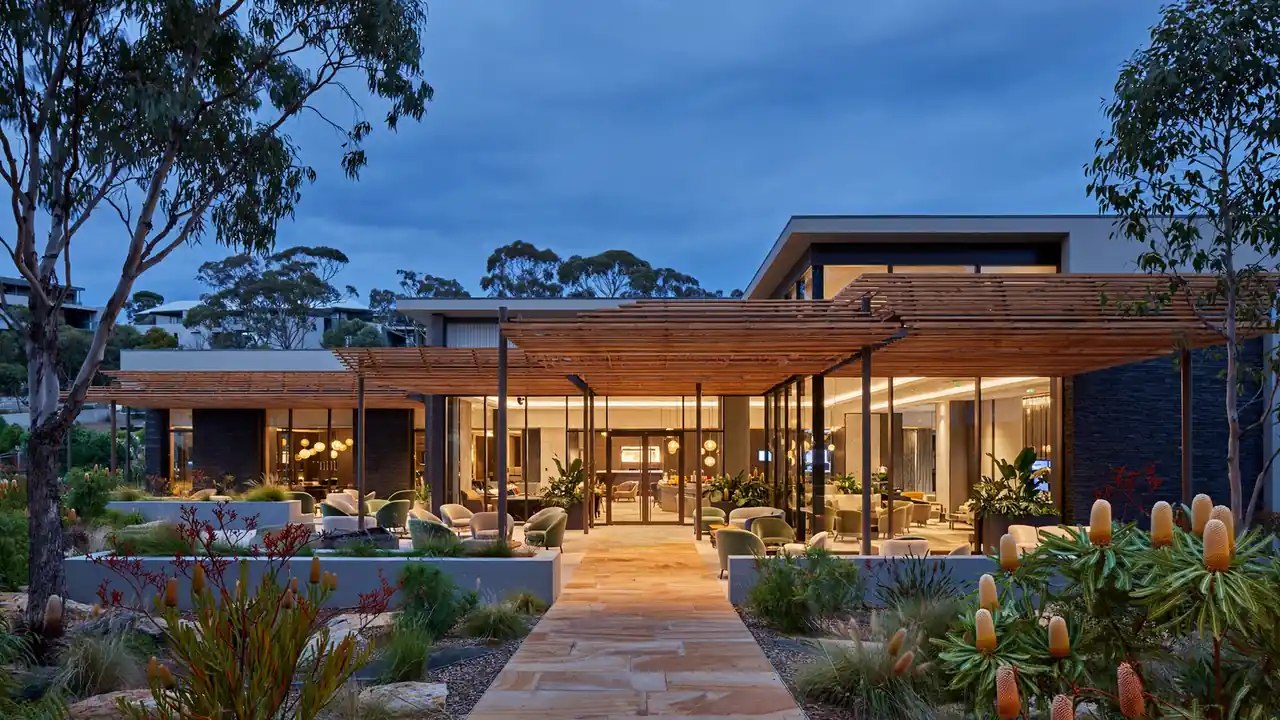
The rooftop-bar variation is a related but separate question. A bar is not automatically a restaurant, and the word “rooftop” describes a setting rather than a dining offer. Treating the phrase as confirmation of a place to eat would be a small leap, but a leap all the same. Venue names and current listings are needed to settle what is actually offered.
This is why a Brisbane casino dining plan benefits from keeping the map in view. On-site dining and an independent restaurant nearby may both suit the same visit, yet they differ in who manages the booking, what address matters and how the meal fits around the rest of the evening. Search labels rarely explain that relationship.
The city’s casino dining picture cannot be reduced to a dependable list of restaurants, menus or opening times without current venue information. What can be said is more modest: “at” and “near” are not interchangeable, and a rooftop bar should not be assumed to serve as a restaurant. A little less glamour, perhaps. A clearer plan.
Food Options and the Pool Question
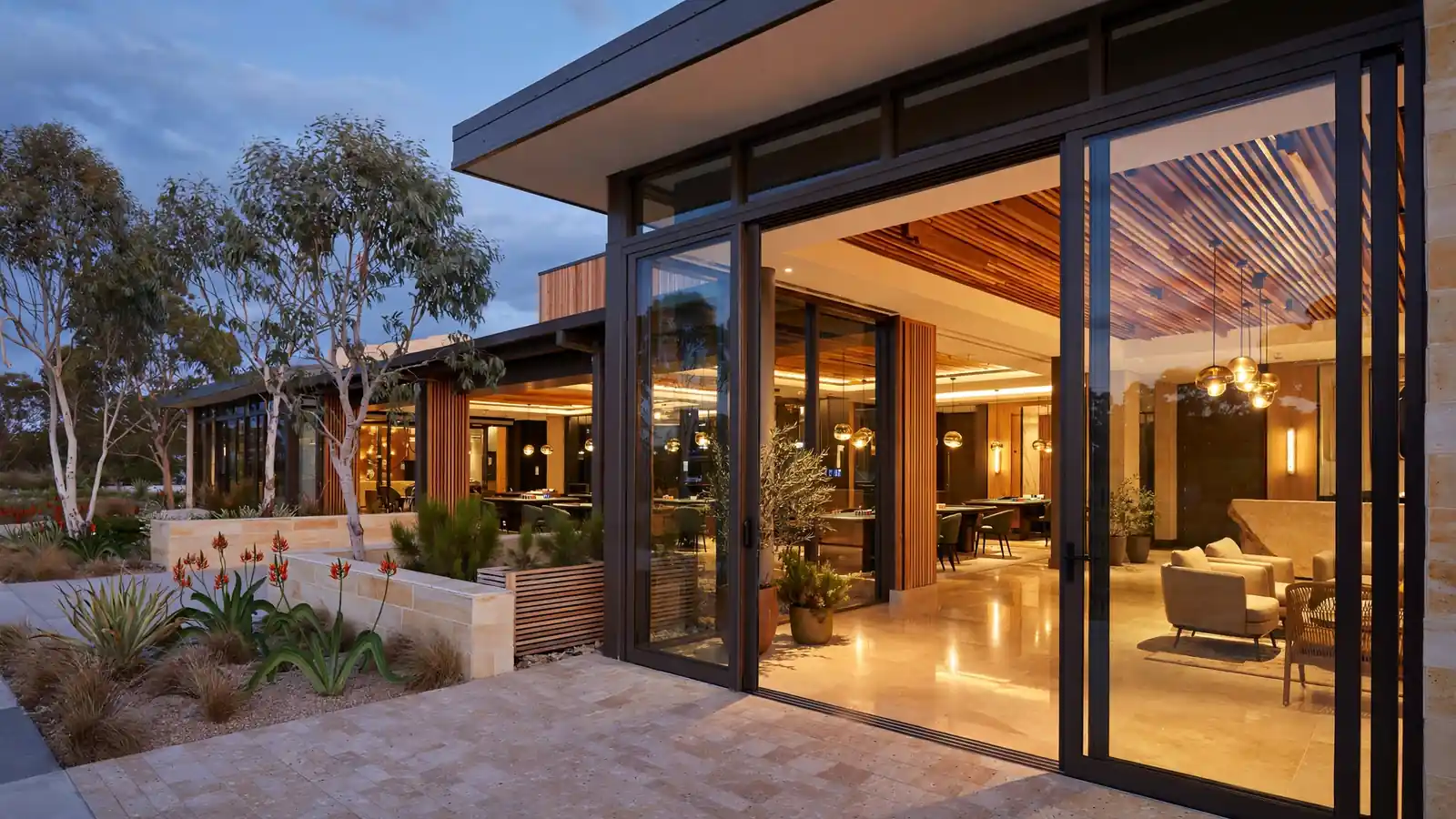
Food and a pool can shape a casino visit as much as the gaming floor, but they are separate practical questions. A Brisbane casino’s general food options cannot be inferred from the word “casino”: a venue might have places to eat without a dedicated food court, while a pool, if present, would be a distinct amenity rather than part of the dining offer.
That distinction matters when planning time on site. A food court suggests several counters gathered in one area; it does not tell anyone what is served, whether seating is available or when the counters operate. “Food options” is broader still, covering any venue dining offer. Those details need to come from current venue information, not from the assumption that a large entertainment complex works like a shopping centre.
The pool question calls for the same care. A pool may belong to a hotel or resort rather than the casino itself, and access may be tied to accommodation or other conditions. A casino visit alone does not establish that a pool is on site or open to day visitors. The word “Brisbane” narrows the location, not the facilities.
For a useful plan, venue information should identify the food outlets and any access conditions for a pool separately. If that distinction is unclear, a direct enquiry can settle whether either amenity is available to visitors and whether access depends on a booking. It is a modest piece of planning, but it avoids arriving with an imagined food court or swim in mind.
The city’s dining culture extends well beyond casino premises, so a meal need not depend on what is inside one venue. Keeping the casino’s on-site offer distinct from nearby choices leaves room to plan around confirmed details rather than a suggestive name. A pool, meanwhile, is not a safe assumption. Amenities are particulars, not atmosphere.
Published by the Cuntspin Casino team.